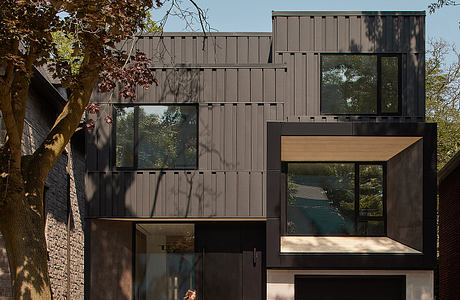
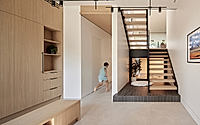
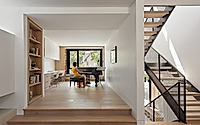
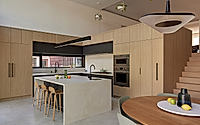
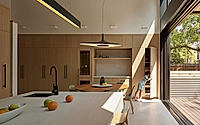
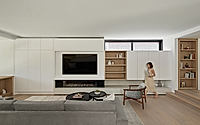
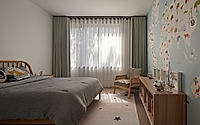
Mars House lands on a Toronto, Canada street with a measured confidence, designed by Studio Lau for a small family. The house rethinks routine with a split-level plan that trades formality for function and ties rooms to daily rhythm. A gym and basketball court set the brief in motion, while open yet connected living areas keep activity and quiet in balance.
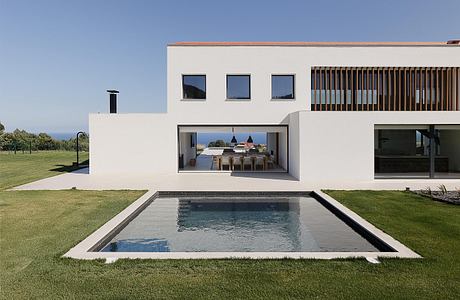
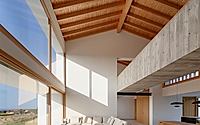
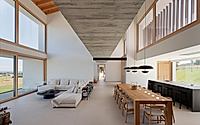
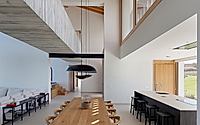
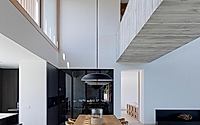
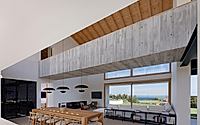
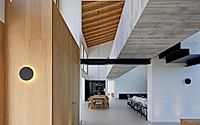
Casa en Asturias sits on a raised terrace in northern Spain, composed by Jovino Martínez Sierra Arquitectos as a contemporary house tuned to long coastal views. The project organizes daily life around a double‑height living room and a concrete walkway that threads the home like a quiet promenade. Broad glazing frames the Cantabrian horizon, while the pool and lawn extend the plan outward.
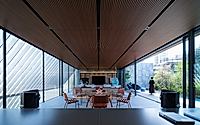
Stealth rises on elevated ground in Tokyo, Japan, by APOLLO Architects & Associates. The house folds resort ease into an urban address, pairing privacy with a vivid daily rhythm. Behind a guarded facade, a garage for eight cars, a third-floor pool, and layered rooms stage a home that moves between retreat and show, light and shade.
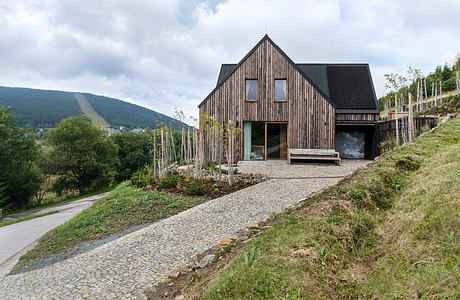
Horní Malá Úpa Mountain Chalet anchors a steep hillside in the Czech Republic with a panoramic gaze toward the Úpa River valley and Sněžka. Designed by OK Plan Architects, the new-build chalet balances National Park constraints with a modern family brief, reading traditional Krkonoše cues through a crisp, durable shell. Inside, warm textures and large glazing steer daily life toward the views, while discreet energy systems keep comfort steady year-round.
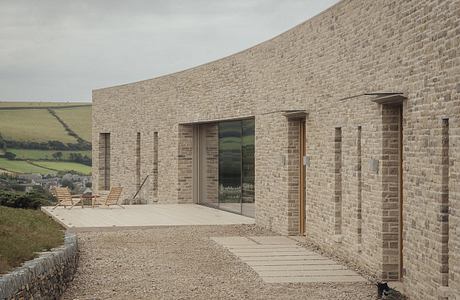
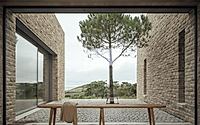
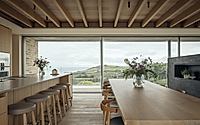
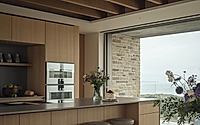
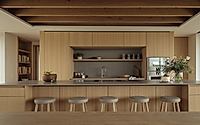
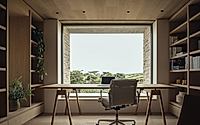
Bay House sits in a coastal village in North Devon, United Kingdom, by McLean Quinlan Architects. The five-bedroom house steps with the hillside, pulling in ocean and valley views while keeping a low profile from the street. Inside, warm oak and light plaster set a restrained mood, aligning with the studio’s low-energy approach and crafted joinery.
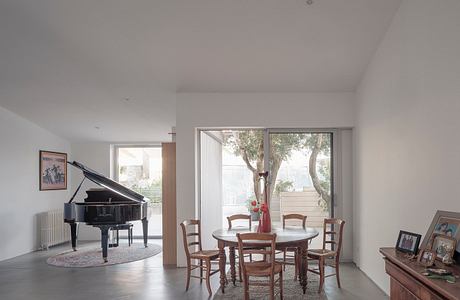
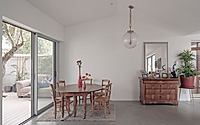
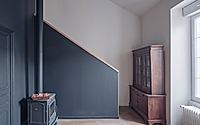
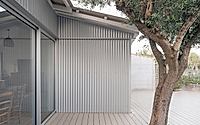
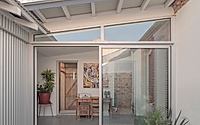
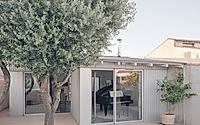
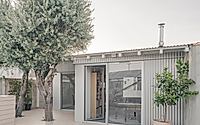
Maison SD reimagines a former railway worker’s house in La Roche-sur-Yon, France, with Atelier Ose guiding a precise renovation and garden extension. The house unfolds around a new patio that draws light deep into each room and shields daily life from view. An L-shaped addition, clad in ribbed sheet metal and capped with sloping roofs, connects the interior to a sheltered terrace while preserving two mature olive trees as living anchors.
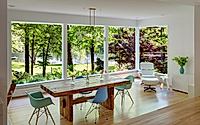
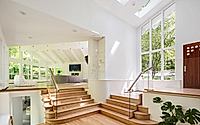
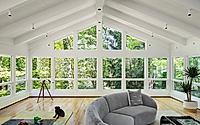
Sodon Lake House sits above a rare dichothermic lake in Bloomfield, Michigan, its mid-century ranch profile masking a layered interior by Disbrown Iannuzzi. The house, a renovation for a family of four returning from Southern California, pushes material performance and daylight while holding onto the site’s measured calm. It’s a house, but it’s also a study in restraint and endurance.
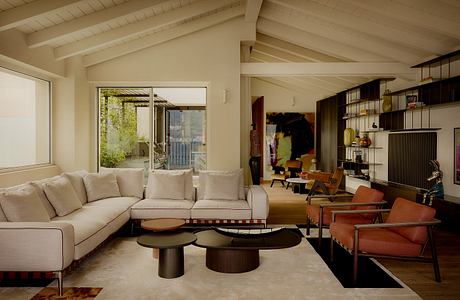
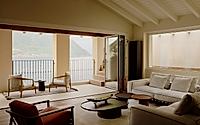
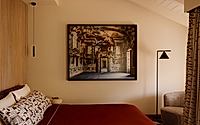
House on Lake Como sits on the eastern shore of Italy’s most storied lake, a four-level house reimagined by Pierattelli Architetture. In Como, Italy, the Florentine studio shapes a summer residence that functions as a daily home, using measured moves and warm materials to keep the mood easy. The result carries the rhythm of vacation with the comfort of routine.