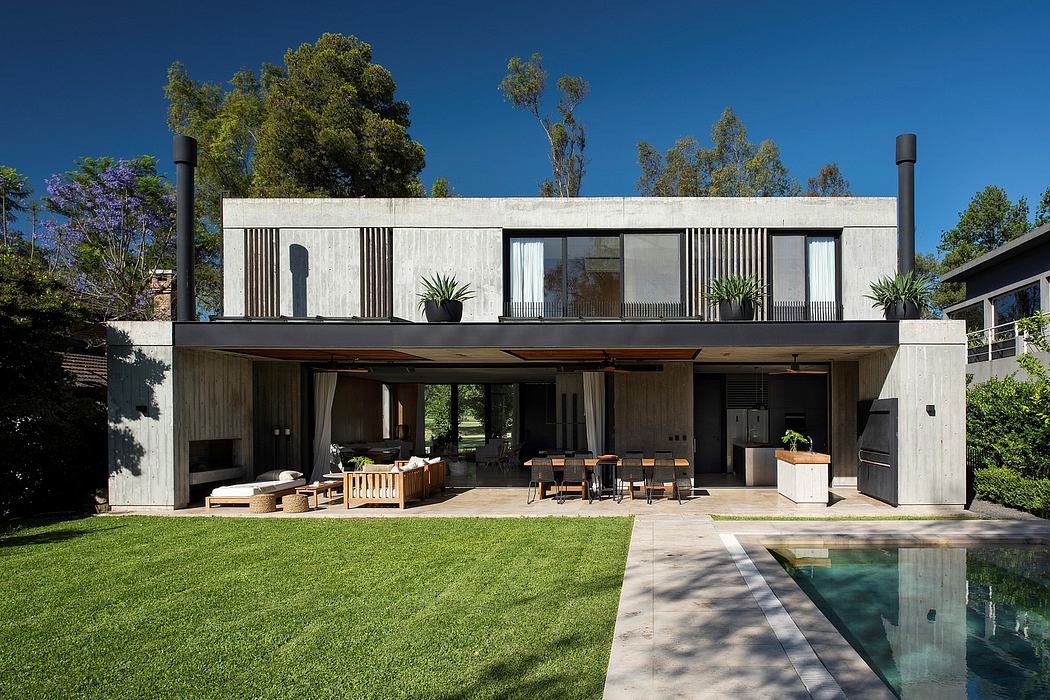
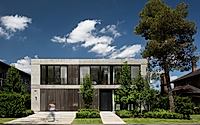
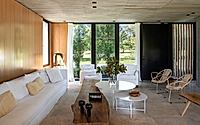
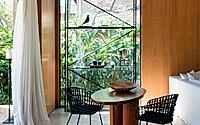
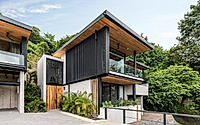
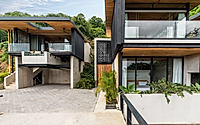
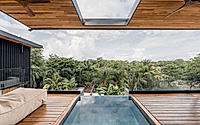
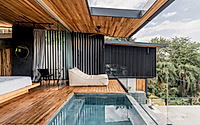
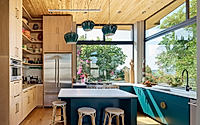
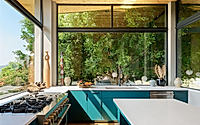
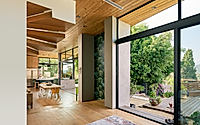
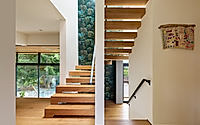
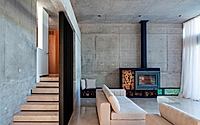
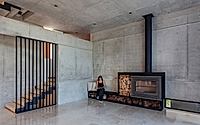
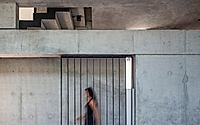
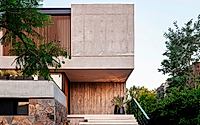
Nestled in Buenos Aires, Argentina, Casa M11, designed by Martin Gomez Arquitectos, is a stunning house that seamlessly integrates with its natural surroundings. This modern structure features an exposed concrete facade and expansive floor-to-ceiling windows, promoting a harmonious blend of indoor and outdoor spaces. The design prioritizes functionality and aesthetic appeal, making it a true architectural gem within the Miraflores Country Club.
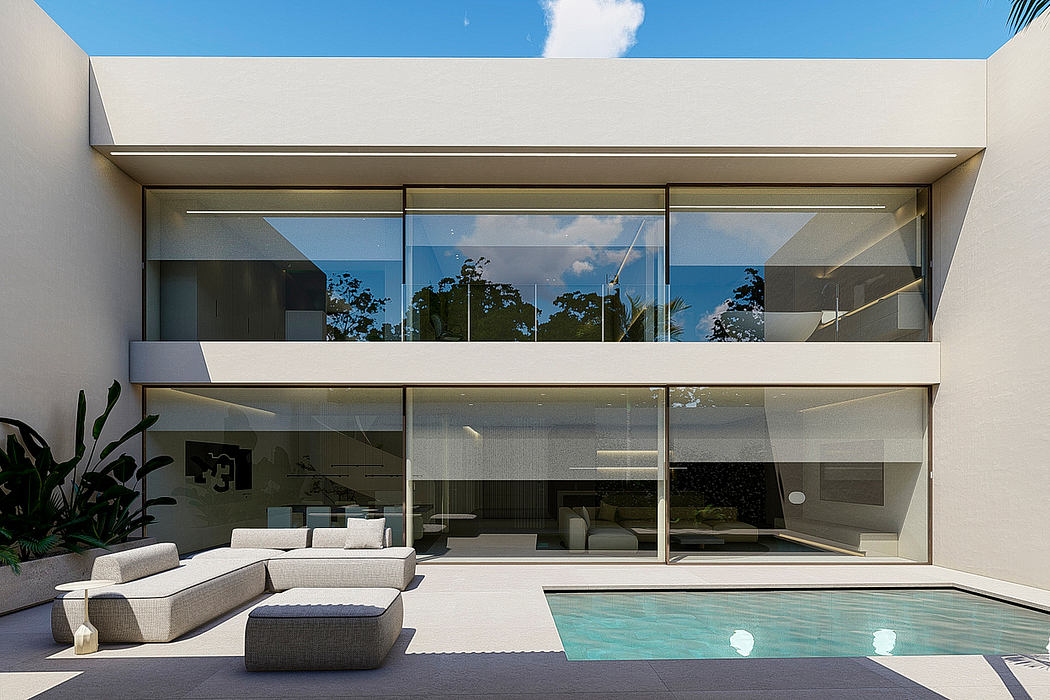
Corbera House, located in the heart of Corbera, Spain, showcases an exquisite blend of traditional and contemporary design. This single-family home, crafted by Carles Faus Arquitectura, was completed in 2024. With its striking exterior and inviting interiors, Corbera House embodies modern living while celebrating the region’s rich architectural heritage.
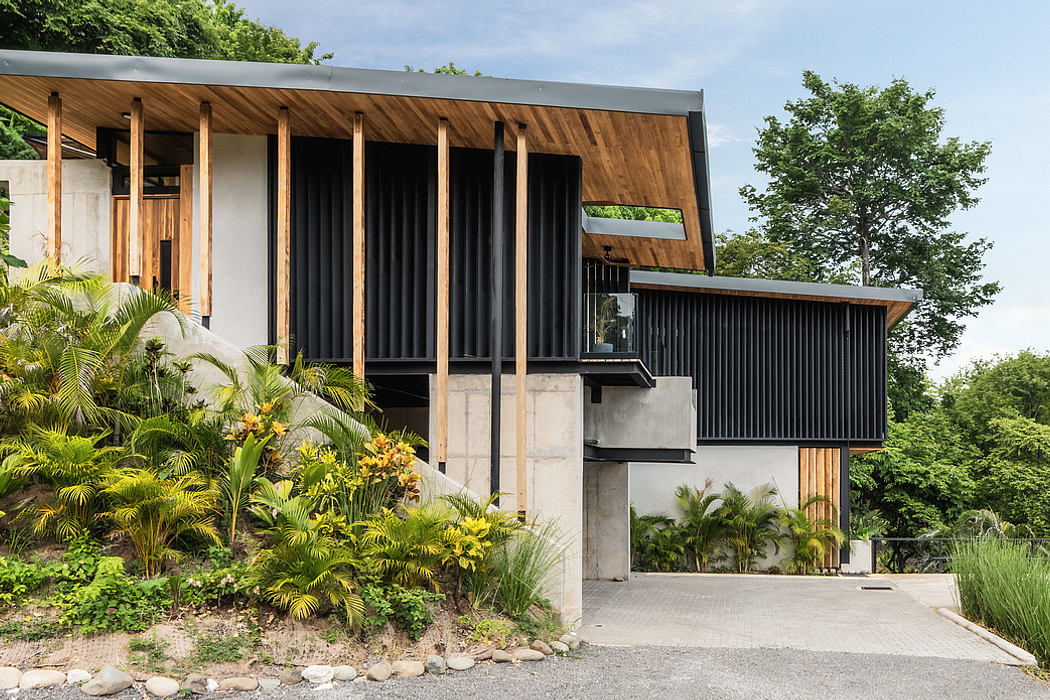
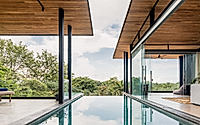
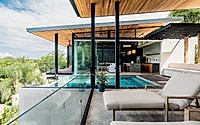
Selva Resort in Santa Teresa, Costa Rica, designed by K10 Studio, offers raw tropical luxury with cantilevered hanging pools and stunning ocean views. This contemporary hotel seamlessly integrates with the sloped terrain, featuring concrete, steel, and teak wood finishes. Enjoy the outdoor living concept with expansive terraces and privacy-enhancing louvers.
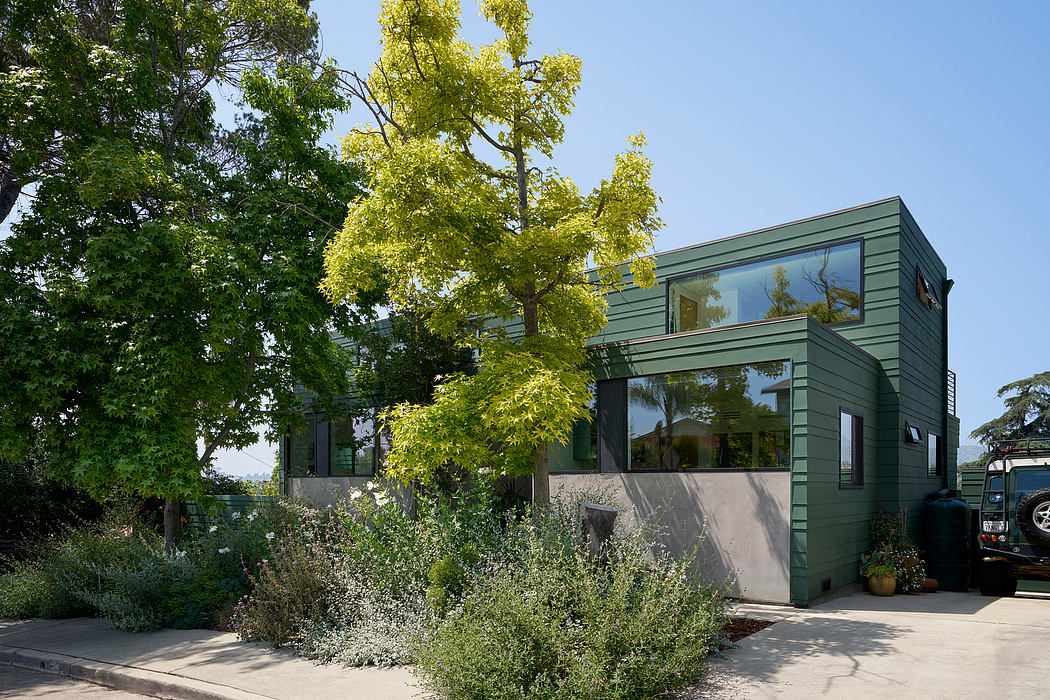
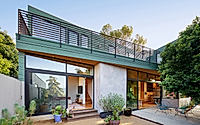
In the historic Highland Park neighborhood of Los Angeles, Denton House is a 1920s residence has been transformed by Martin Fenlon Architecture. This contemporary home blends seamlessly with the environment through its green fiber cement siding, chosen to complement the surrounding foliage. Key features include a new kitchen, dining area, and primary bedroom suite, all designed to enhance indoor-outdoor living.
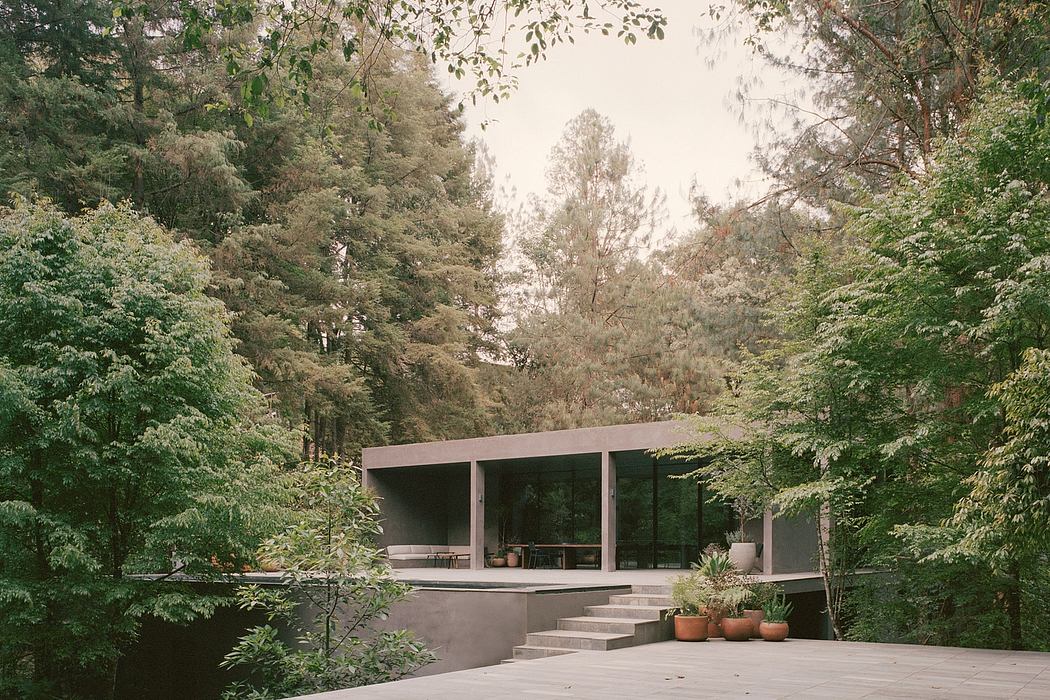
Copas is a remarkable house designed by PPAA Pérez Palacios Arquitectos Asociados in 2023, situated in Valle de Bravo, Mexico. This architecturally advanced residence features elevated living spaces that seamlessly connect with the surrounding treetops.
Emphasizing minimal excavation, the design harmonizes perfectly with the natural topography, creating a unique blend of comfort and nature.
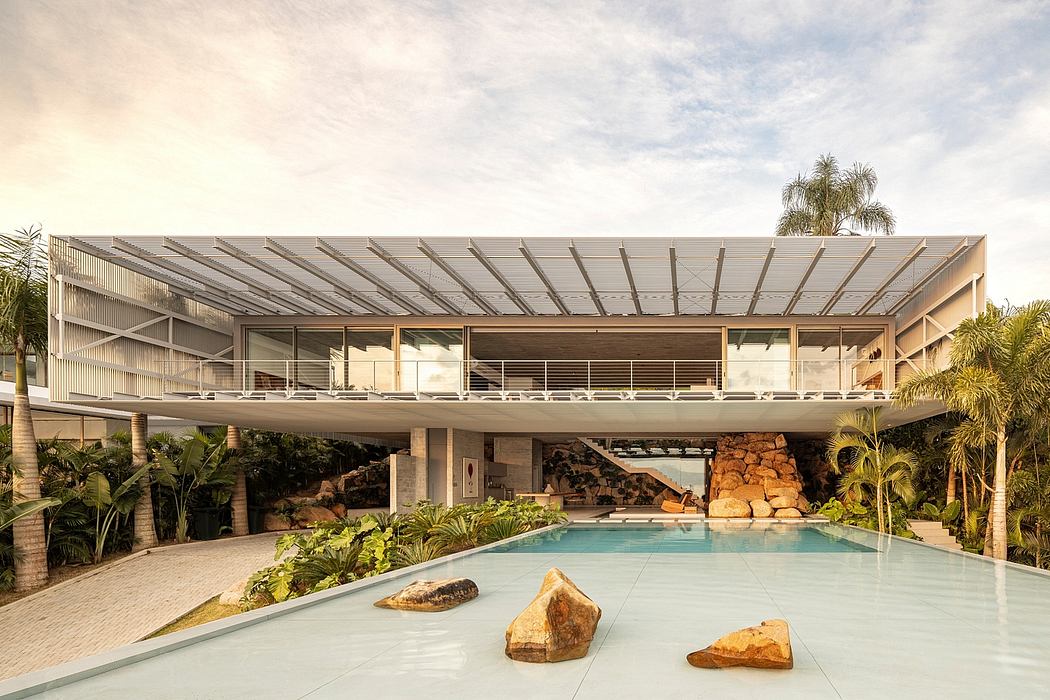
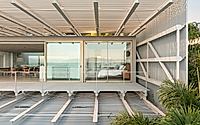
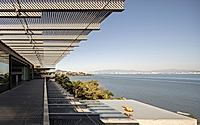
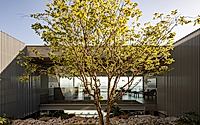
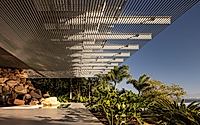
Situated on the captivating island of Florianópolis in southern Brazil, the Ponte House by TETRO Arquitetura is a residential masterpiece that seamlessly blends with its breathtaking natural surroundings. Designed in 2024, this striking house takes inspiration from the iconic Hercílio Luz Bridge, integrating its steel and perforated sheet elements to create a harmonious architectural expression that transcends the functional aspects of a typical home.
CR House, designed by remyarchitects, is a stunning residential project located in Nordelta, Buenos Aires, Argentina. This contemporary house showcases a thoughtful integration of the exterior landscape and the interior spaces, creating a harmonious living experience.
Featuring a facade defined by intertwining volumes and green spaces, the home offers uninterrupted views of the adjacent golf course from the elevated social areas. The design separates the private and recreational zones, with the lower level dedicated to outdoor living and the upper floors housing the bedrooms and a multipurpose space with a terrace overlooking the golf course.
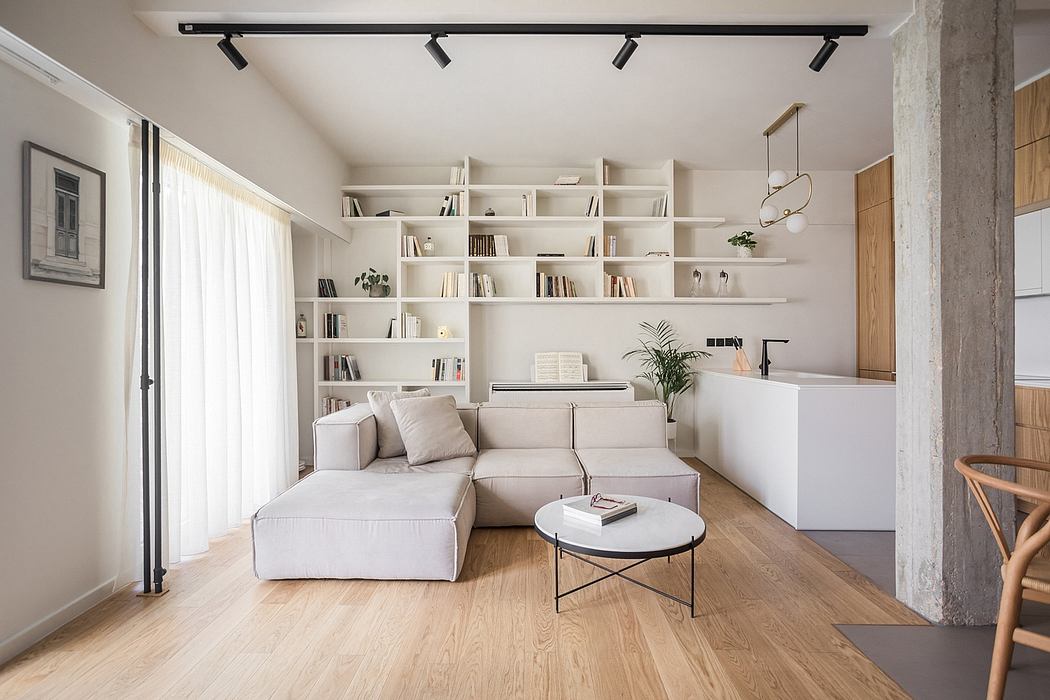
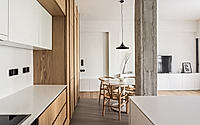
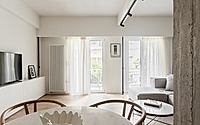
Situated in the vibrant heart of Athens, Greece, this exceptional apartment renovation by acclaimed designer George Tzorbatzidis showcases a masterful fusion of contemporary elegance and timeless charm. Meticulously redesigned in 2022, this urban oasis seamlessly blends modern amenities with the rich architectural heritage of the Greek capital, creating a harmonious living experience that captivates the senses.
From the thoughtfully curated materials to the intuitive layout, every aspect of this apartment renovation exemplifies the designer’s commitment to crafting a truly bespoke and functional living space.