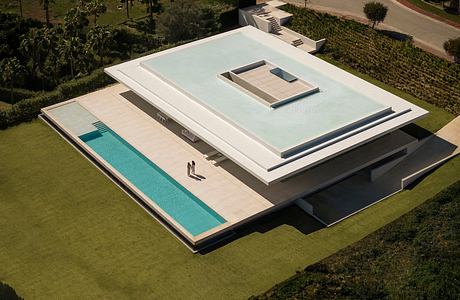
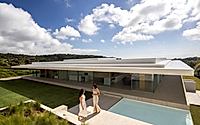
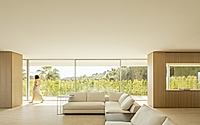
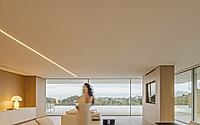
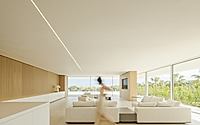
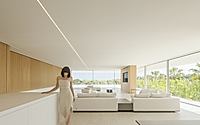
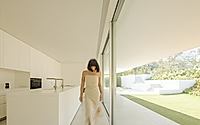
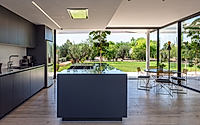
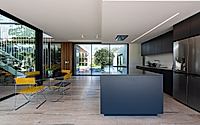
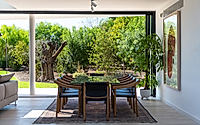
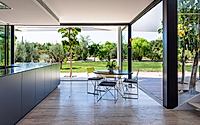
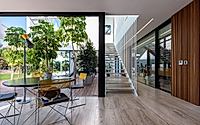
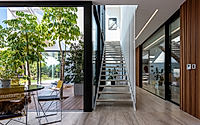
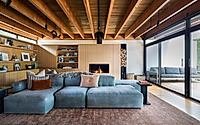
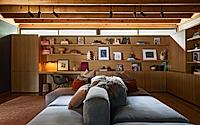
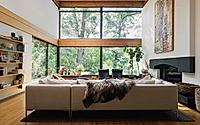
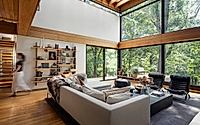
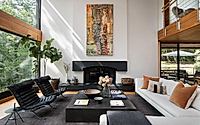
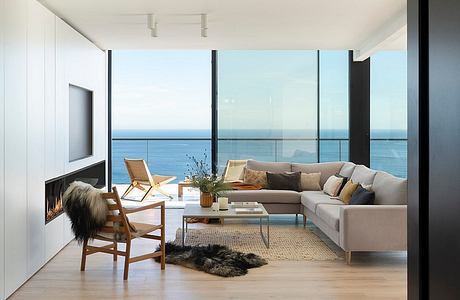
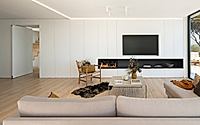
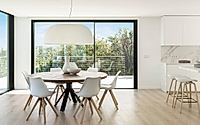
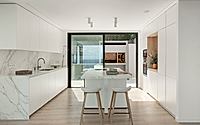
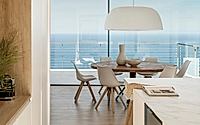
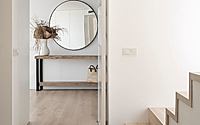
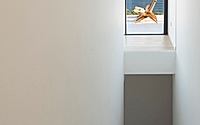
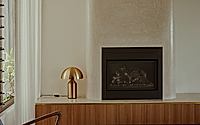
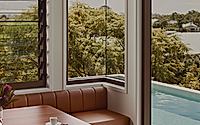
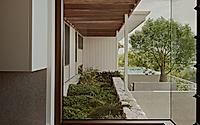
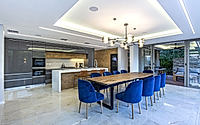
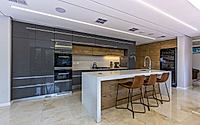
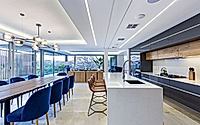
Fran Silvestre Arquitectos has designed a House in Sotogrande, Spain, characterised by its glass walls and expansive shady canopy. The house, completed in 2024, incorporates a thermal insulation system using water, which regulates temperature and adds acoustic insulation. Silvestre utilised wooden elements inside the home, lending it a warm, homely feel, enhanced further by the natural light let in through the expansive use of glazing and a number of skylights, which allow for views of the roof.
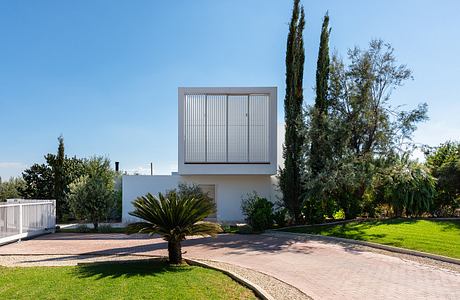
Christos Pavlou Architecture designed House with Courtyards on the borders of the village of Deftera in Cyprus in 2021.
The design incorporates traditional Cypriot house typology with patios and preserve native flora. The volume of this two-story house is divided into two parts, integrating three large courtyards in-between and side by side.
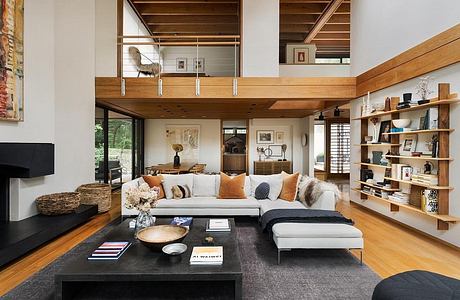
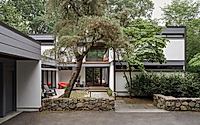
Stewart-Schafer blended Scandinavian minimalism with mid-century influences for this residence in Easton, United States. Designed in 2022, the expansive house is an architectural gem, featuring contemporary glass walls and an indoor pool. The interiors highlight a tonal palette and a mix of custom-made furniture, from a Japanese-inspired table to a Scandinavian-inspired guest house in the woods.
The luxurious, minimalist Blue Minimalism house design in La Bisbal d’Empordà, Spain, prioritises the connection with its setting and residents, expertly overseen by Susanna Cots Interior Design in 2024. The home features an unobstructed layout and carefully chosen decor to earnestly connect its seven inhabitants with one another, as well with the stunning Mediterranean views outside.
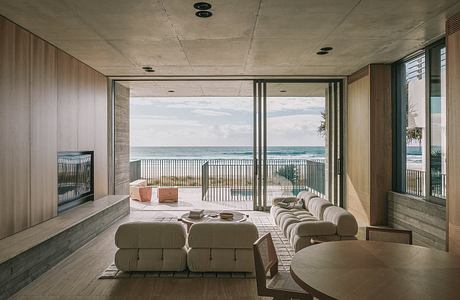
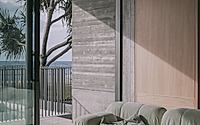
The Hedges Residence, designed by B.E. Architecture, is located in Mermaid Beach, Australia. Finished in 2024, the house overlooks one of Queensland’s iconic beaches. Constructed with a minimalistic approach, it features planked concrete, oak, and rough-sawn travertine, bringing a warm, natural aesthetic to the interior and exterior.
Spanning three levels, the residence includes a yoga and gymnasium space, along with car parking and storage, creating a relaxing and calming environment distinct from typical minimalistic designs.
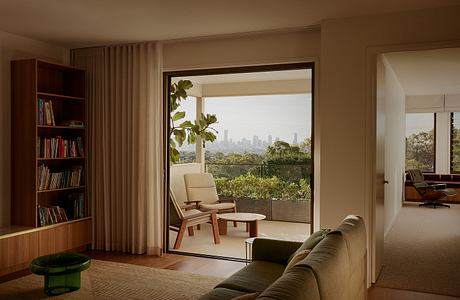
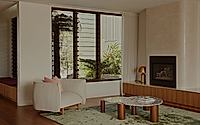
Rigel is a house in Brisbane’s Coorparoo suburb designed by Alexandra Buchanan Architecture in 2023. It features panoramic views of Whytes Hill Reserve and the city skyline. The residence uses a soft natural color palette and refined facade to seamlessly integrate into the landscape.
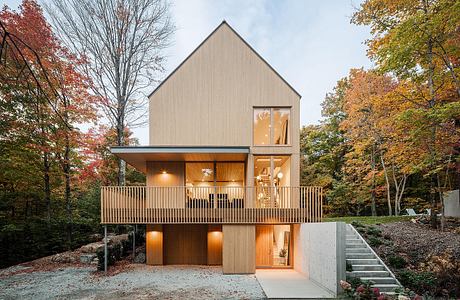
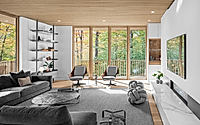
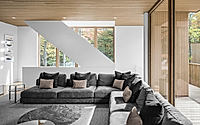
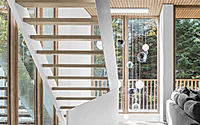
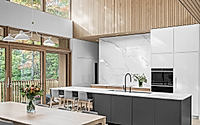
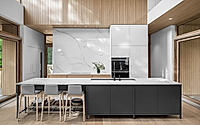
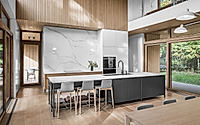
The Orford House, designed in 2022 by Thellend Fortin Architectes, is situated in Québec, Canada, next to the Parc national du Mont-Orford. This house is immersed in maple and fir forests, welcoming breathtaking views and natural light. The architectural style embodies a harmonious balance with its natural surroundings, showcasing a combination of modern and traditional elements through a dynamic interplay of vertical and horizontal lines.
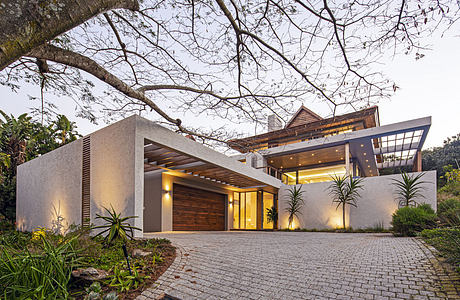
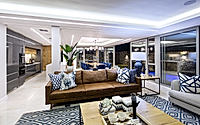
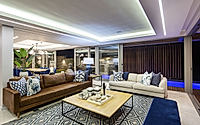
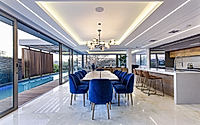
Metropole Architects has completed the Desai House in Zimbali Estate, Ballito, South Africa, featuring a design inspired by Tropical Modern Architecture. Intended for a site offering views of Holy Hill and lush coastal forest, the house incorporates features like large eaves and timber screens to ensure a seamless indoor-outdoor flow.