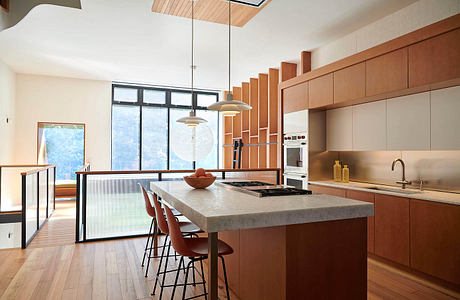
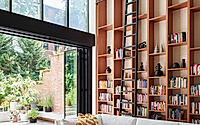
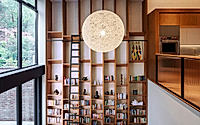
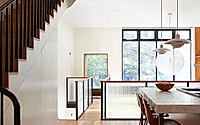
Ft. Greene Brownstone stands on a tree-lined block in Brooklyn, Kings County, NY, United States, its restored facade anchoring the row. Sherman Architects reworks the landmark house as a tall, light-filled home where a family moves between books, play, and garden. Behind the rebuilt stoop and cast-stone ornament, the interior shifts from intimate rooms to a double-height living volume that opens wide to the backyard for daily use.
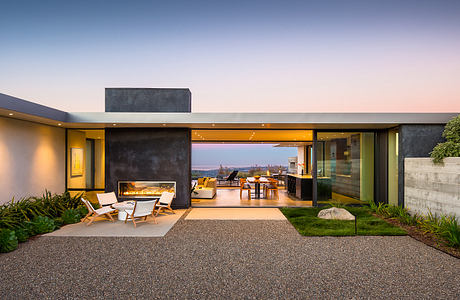
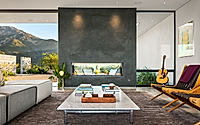
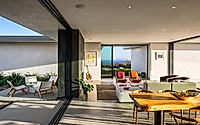
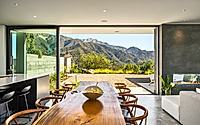
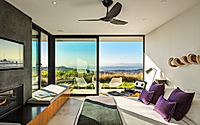
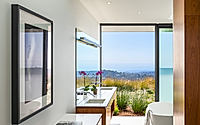
Mission Canyon Residence sits high above Santa Barbara, CA, United States, where NMA Architects align coastal light, ocean air, and mountain views around a resilient hillside house. The project replaces a home lost in the 2009 Jesusita Wildfire and rethinks indoor–outdoor living through careful siting, fire-conscious construction, and climate-responsive comfort. Every room leans into a distinct panorama while maintaining year-round livability and safety.
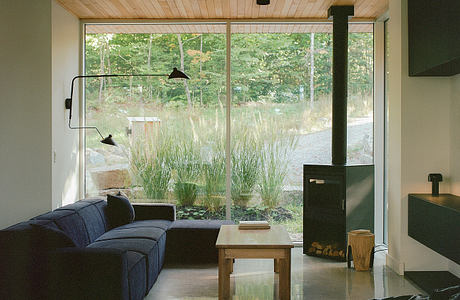
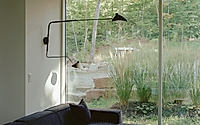
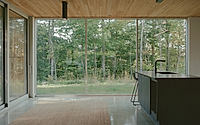
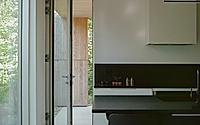
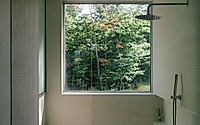
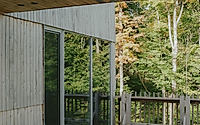
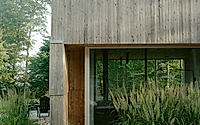
La Conception III sits in La Conception, Canada, as a house by Nicolas Chaudier architecte that works with the grain of its wooded hillside site. Local cedar, deep glazing, and stratified volumes respond to the forest while organizing family life inside. Interior rooms track a gentle shift from communal living to more private zones, so the house feels rooted in its setting and tuned to daily routines.
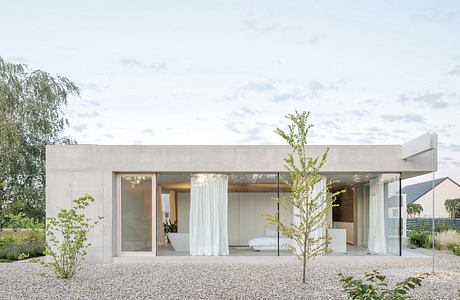
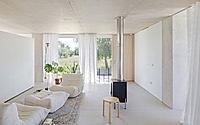
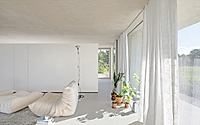
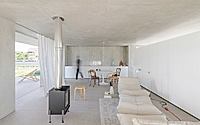
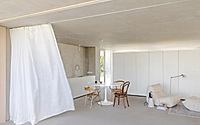
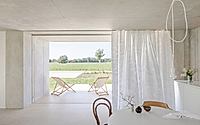
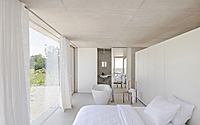
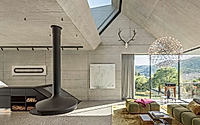
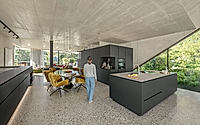
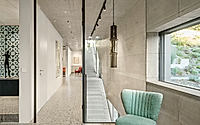
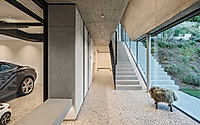
House on the Edge of the Plain sits at the soft edge of Murska Sobota, Slovenia, where suburban plots meet the long horizon of the Pannonian plain. Skupaj Arhitekti use a spare, low house to translate that threshold condition into architecture, pairing exposed concrete with loose gravel and generous glazing. The result is a calm, minimalist house that reads as part landscape, part dwelling.
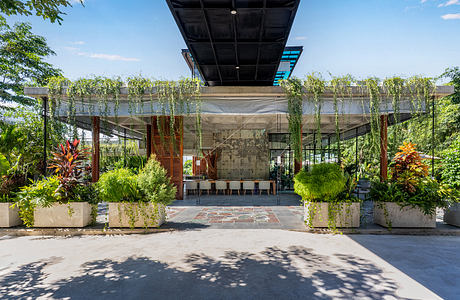
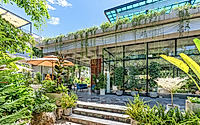
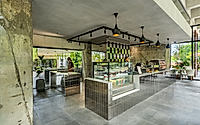
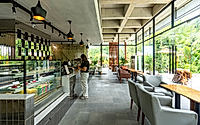
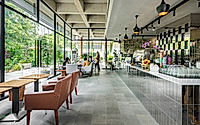
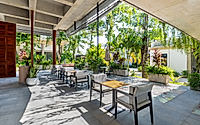
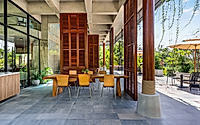
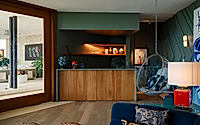
Phum Sambo Café & Eatery sits in Phnom Penh, Cambodia, as a restaurant renovation by Khoan + Partners that respects an existing concrete frame. The project turns an abandoned structural shell into a calm, climate-aware destination where wood, greenery, and open-air volumes reshape a once utilitarian grid. Guests read the building’s past while stepping into a gentler present, grounded in local light and tropical air.
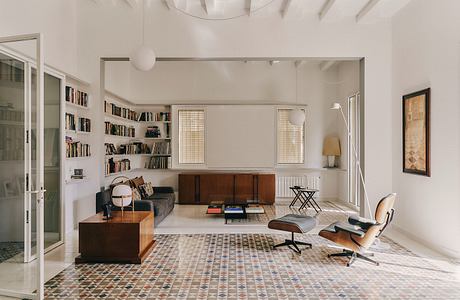
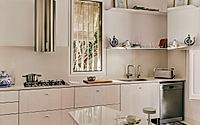
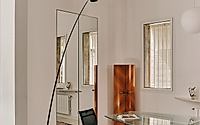
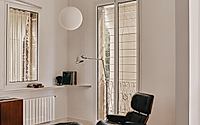
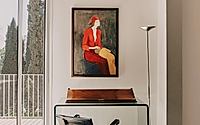
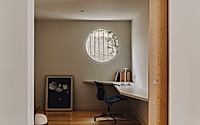
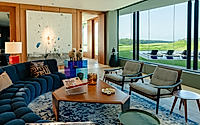
Villa Parque recasts a late-19th-century house in Barcelona, Spain as a contemporary family home by h3o architects. The renovation treats the detached house as a place to reconnect with neighborhood roots while opening it to light, garden, and shared daily life. Across two primary levels and a deep rear garden, the project balances generous proportions with an intimate, enveloping atmosphere tailored to a couple beginning a new chapter.
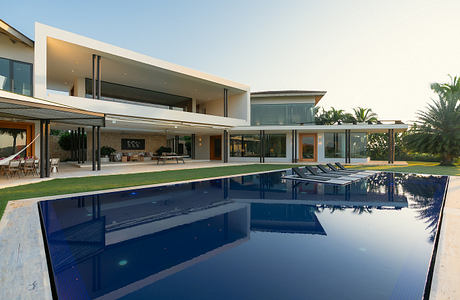
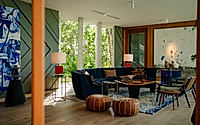
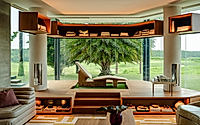
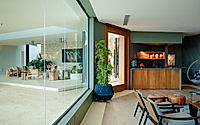
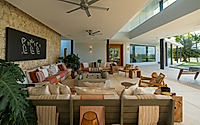
Dye Fore 1 rises on the Dye Fore Golf Course in La Romana, Dominican Republic, shaped by Acebal Canney Arquitectos & Asociados as a residence tuned to land and light. The angular house stretches across the irregular plot, opening broad views toward the fairways, Altos de Chavón River, and distant horizon. Water, art, and breeze-driven comfort set the tone for a home conceived as both retreat and living gallery.
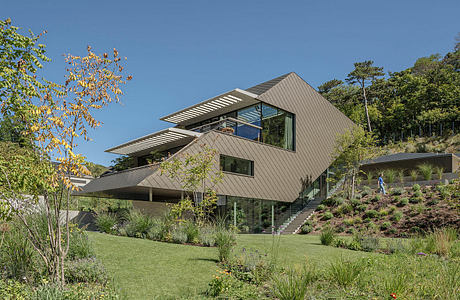
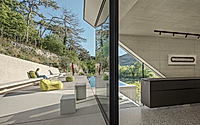
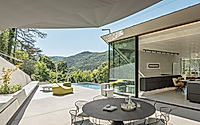
House with a View in Hinterbrühl steps down the hillside above Hinterbrühl, Austria, giving a clear vantage over forest and valley. Caramel Architekten shapes the house as a stacked sequence of terraces, glazed rooms, and circulation routes that follow the terrain. Across its levels, the project reads as a precise response to slope and view rather than a single object on the land.