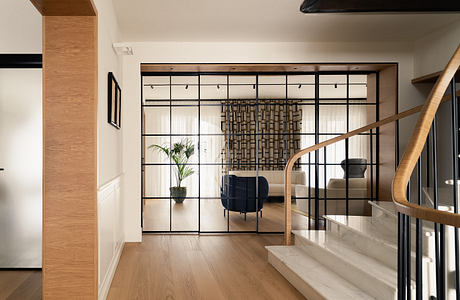
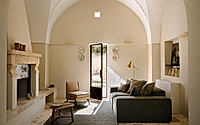
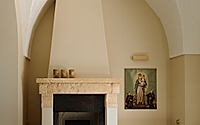
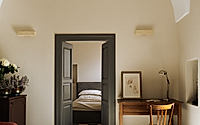
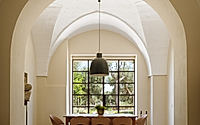
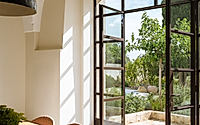
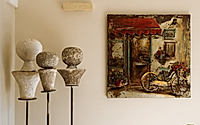
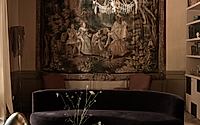
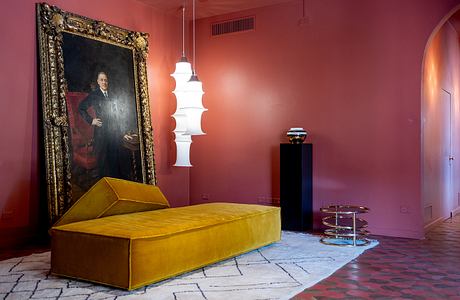
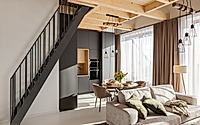
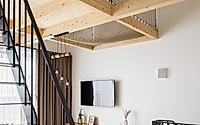
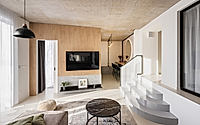
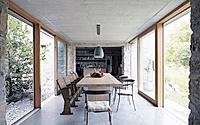
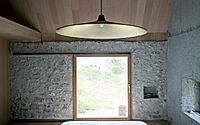
Casa Origine turns a former village fuel station in Caserta, Italy, into a layered apartment by Pianozero Architetti. The project converts a symbolic communal place into a contemporary home that still holds the traces of its working past. Across courtyard, stair, and upper rooms, the architects orchestrate a quiet shift from public memory to private ritual while keeping the site’s original role present in daily life.
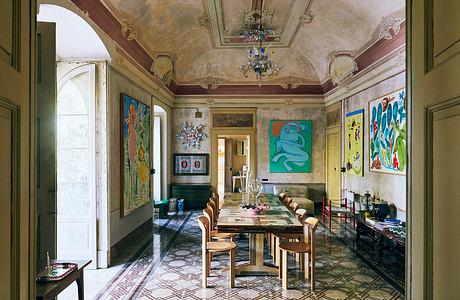
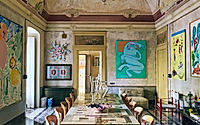
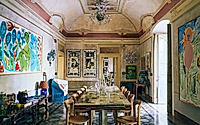
Villa Colucci stands in Fasano, Italy, where Francesco Mastrororsa guides the careful revival of a historic villa turned hotel rich with art and memory. High ceilings, patterned cement tiles, and the red facade frame interiors layered with Danish and international artworks, antiques, and contemporary pieces that bring the restored rooms to life. Guests step into a place where craftsmanship, history, and daily hospitality quietly intertwine.
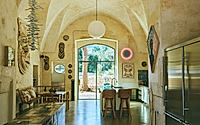
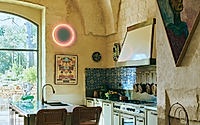
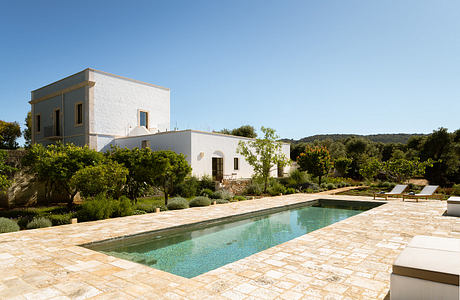
Masseria San Lorenzo anchors a 19th-century farmstead on the outskirts of Ostuni, Italy, brought back to life by studio Flore & Venezia. The project restores a rural complex of stone volumes among ancient olive trees, reworking its rooms for contemporary comfort while holding tight to the building’s agricultural past. Every move is calibrated, from the revived facades to the reorganized interiors, so daily life flows easily between the house and the surrounding land.
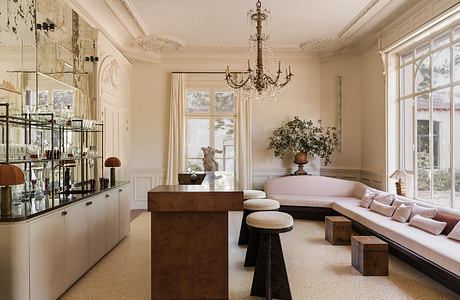
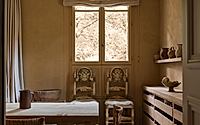
Picturesque Hotel in France transforms an 18th-century château near Montpellier, France, into a textile-driven hotel by Marianne Tiegen Interiors. The project reworks historic rooms with plant-dyed fabrics, antique cloth, and flexible furnishings that bring sustainable luxury into daily hospitality rituals without erasing the estate’s classical bones. Guests move through volumes where light, landscape, and cloth stay in constant conversation.
Casa Ruffino stands within the Poggio Casciano estate in Bagno a Ripoli, Italy, where b-arch studio reshapes hospitality against the ordered Chianti hills. The hotel project translates the Ruffino brand into rooms and salons that balance historic architecture with measured contemporary interventions. Guests move through interiors tuned to color, light, and texture, finding a calm rhythm between working winery and refined retreat.
Lebenski stands on the edge of the forest in Stary Smokovec, Slovakia, where the High Tatras rise behind a once-neglected modernist sanatorium. Reimagined by Atrium Architekti as a contemporary hotel-style apartment building, the project balances strict park regulations with an insistence on quiet clarity. Guests now look out over the Horný Smokovec valley from a structure that keeps its familiar outline while updating its mountain character for a new generation of visitors.
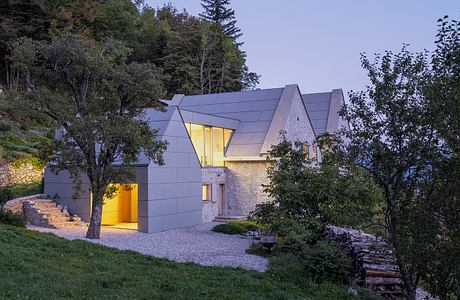
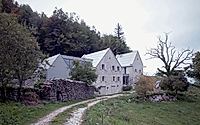
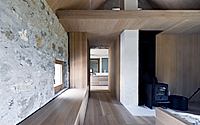
Mansion Lom gathers a far-flung family in a renewed house on the Banj plateau above Ljubljana, Slovenia, where OFIS architects work with rugged karst tradition. The studio keeps two existing stone buildings at the core of the project, binding them with a restrained new wing and a warm, wood-lined interior. Eight children and parents find a shared base here, in a landscape once almost forgotten yet rich in durable forms.
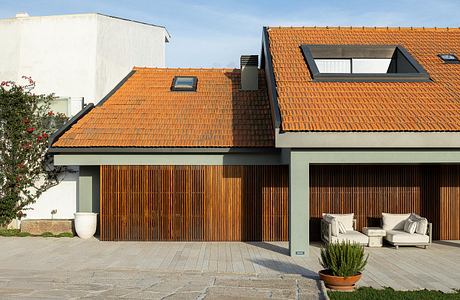
Casa do Engenho sits within an agricultural estate in Vila Nova de Gaia, Portugal, where architect Jorge Prata reworks an ancillary building into the family’s primary house. Once a rigid, compartmentalized volume used mainly for gatherings, the former pool house is now recast as a fluid, light-steered home with contemporary character. Across two levels, everyday life unfolds between preserved stone, new wood, and a renewed connection to the surrounding landscape.