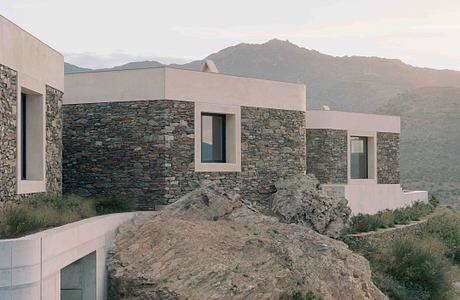
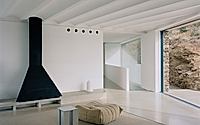
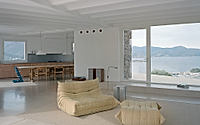
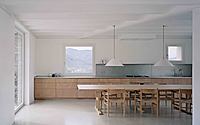
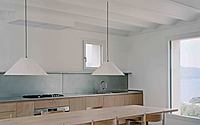
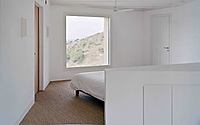
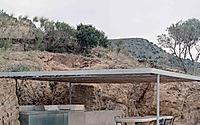
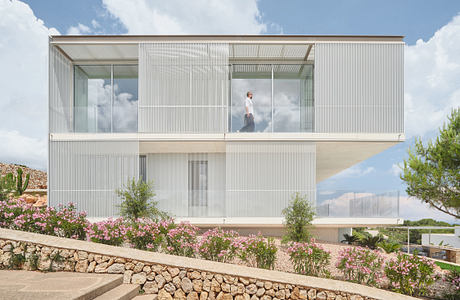
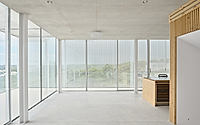
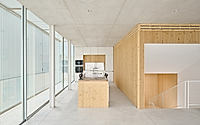
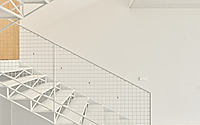
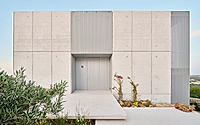
Casa Balma Murada is a house in Spain by Mesura, shaped by wind, rock, and a site at the edge of a natural reserve. Rather than impose a form, the project reads the terrain closely and builds from it, using local stone and traditional methods to tie interior life to the landscape.
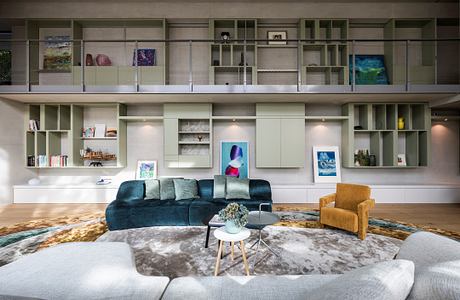
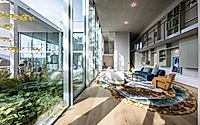
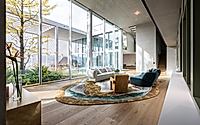
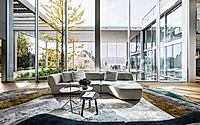
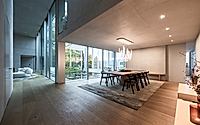
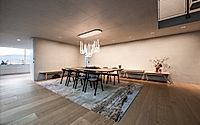
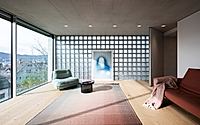
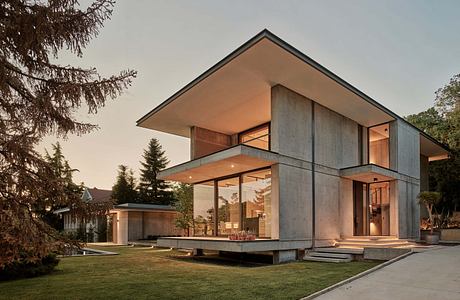
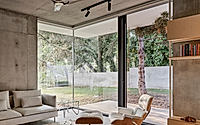
Atrium Zürich reworks an existing villa in Küsnacht, Switzerland, for a young couple and their daughter. Designed by NOA, the house keeps its original architecture in view while answering a new family routine with brighter rooms, added color, and a more open living atmosphere. The result is a careful interior refresh that stays close to the building’s simple lines and strong connection to the lake.
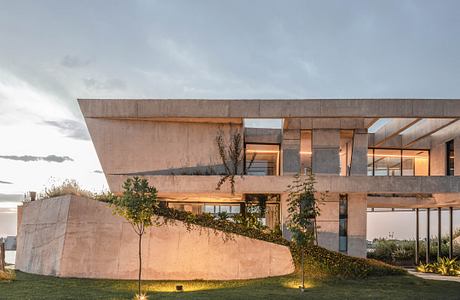
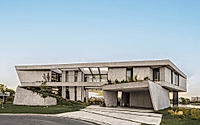
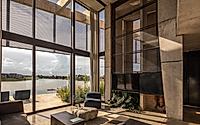
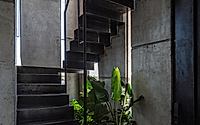
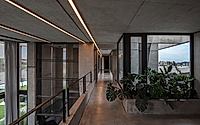
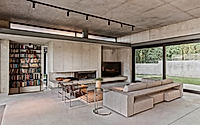
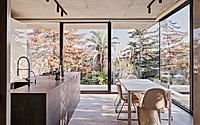
Casa Lomadas is a house in Buenos Aires, Argentina, by Grizzo Studio. Set on a double plot with more than one hundred meters of lagoon shoreline, it is organized as an elongated concrete bar lifted over two artificial mounds. The result is less a conventional house than a sequence of paths, thresholds, and views that ties the interior to the water edge.
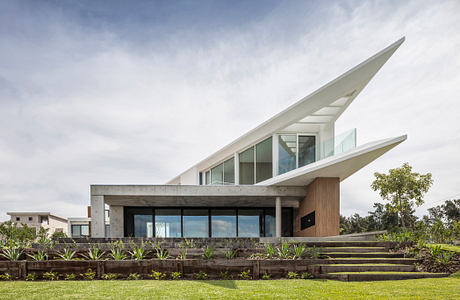
Sidney House is a 2024 house in Nordelta, Benavidez, Argentina, by Jorgelina Tortorici & Asociados. Set on a corner lot in El Yacht, the project takes advantage of its long edge facing the water. A concrete base and a lighter white volume organize the plan with clear, direct logic.
Casa K’ankab is a house in Chicxulub Pueblo, Mexico, by Reyes Rosiñol. Set within a Dzidzilché forest, the 2025 project takes its cue from the land, using a hexagonal grid to protect existing vegetation and organize the plan. Monolithic volumes, framed views, and a low wall keep the forest present at every turn.
Can House is a 2022 house in Bursa, Türkiye, designed by PIN Architects for a forested residential site in Mudanya. Set on former family land, it follows the slope, preserves the existing trees, and opens its living areas to the forest and to Uludağ beyond.
Steel House is a house in the Balearic Islands, Spain, designed by Nomo Studio in 2024. Set on steep ground, it reads as a monolithic volume lifted above the site, with entry tucked into a recessed opening on a blank façade. Concrete, metal, glass, and wood shape a precise interior that balances weight, light, and measured openness.
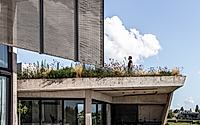
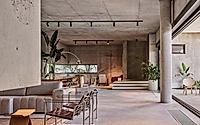
CCB House in São Paulo, Brazil, is a 515-square-meter house by Voa Arquitetura. The four-floor project reorganizes the plan around generous social areas, giving the family a setting shaped for connection, affection, and everyday life. Earthy materials, planted openings, and a fluid circulation route bring warmth to the interiors while tying the rooms to the garden and the greenery that reaches across the façade.