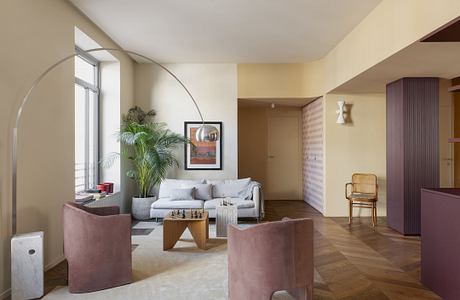
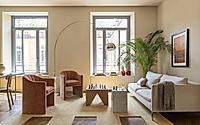
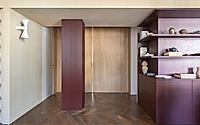
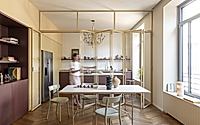
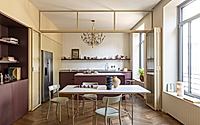
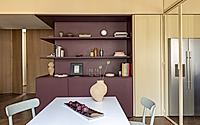
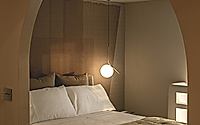
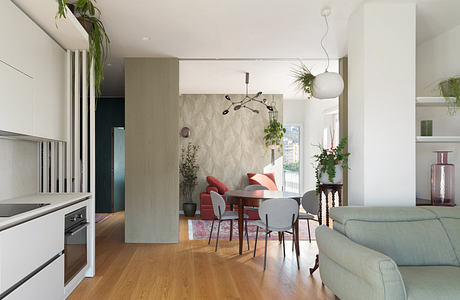
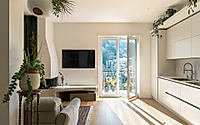
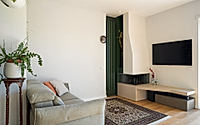
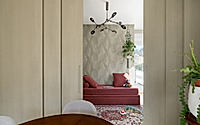
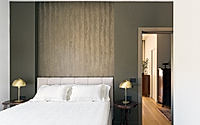
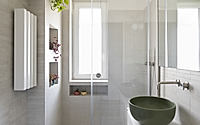
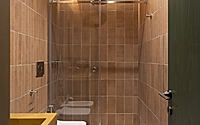
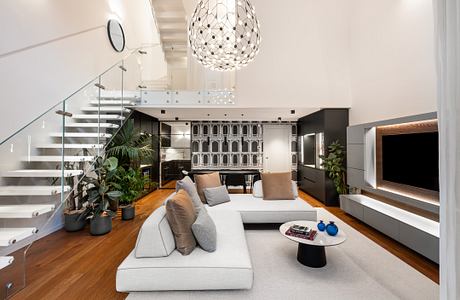
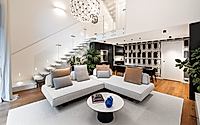
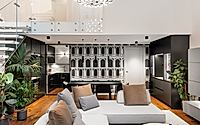
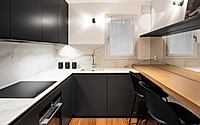
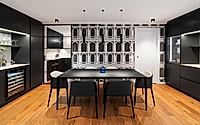
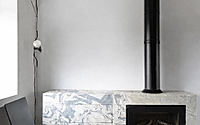
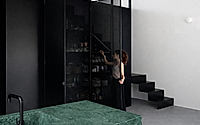
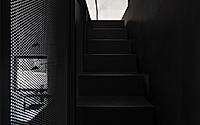
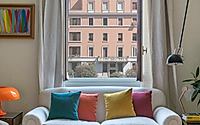
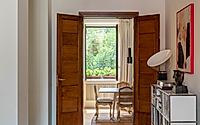
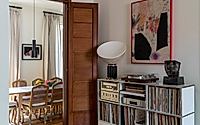
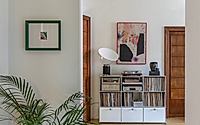
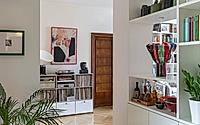
Casa DFZ is a 2025 apartment in Milano, Italy, by KICK.OFFICE. Set within a former productive shell, the home uses a broad, regular plan and large windows to bring daylight deep inside. A gridded-clad column anchors the composition, while mobile walls and disappearing panels let the rooms shift between open and private use.
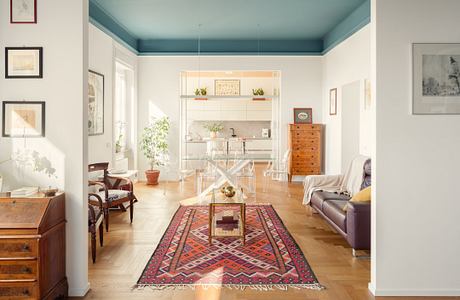
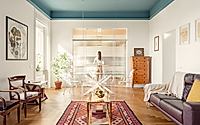
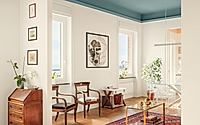
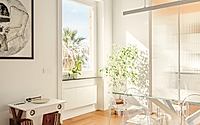
Trip•ti•ca renovates a Genoa, Italy apartment into a fluid sequence organized around light and view. Circolo – A shapes the sea-facing front as a triptych of connected rooms, while the uphill side holds the bedrooms in quieter, better-protected conditions. Herringbone parquet and colored ceilings set a clear material rhythm, giving the home a calm but distinct hierarchy.
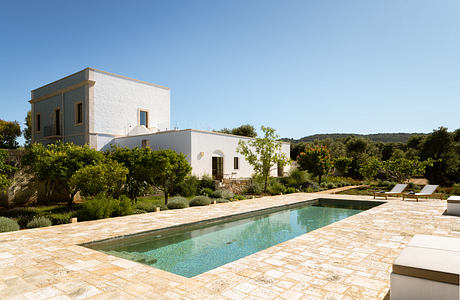
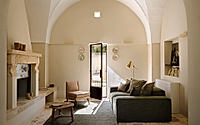
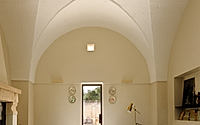
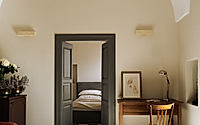
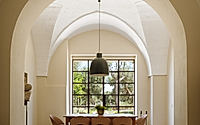
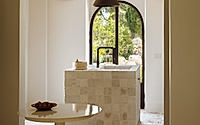
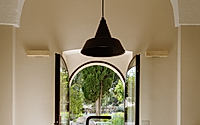
Masseria San Lorenzo is a recovery project in Ostuni, Italy, by Flore & Venezia. The 19th-century complex returns to use with its stone rooms, vaults, and courtyards carefully brought back into a clear domestic order.
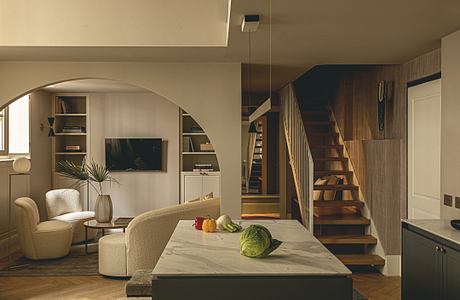
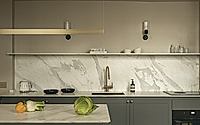
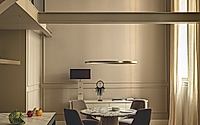
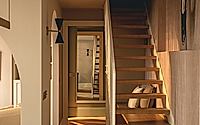
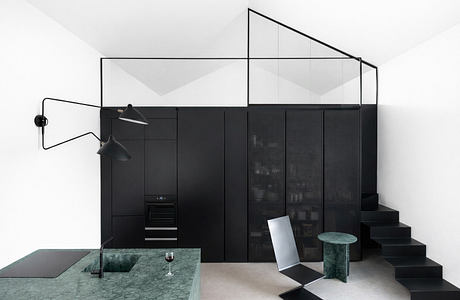
Contemporary Apartment in Milan’s Historic Center is a two-level apartment in Milan, Italy, designed by Pelizzari Studio for a young professional. Set in a period building overlooking a quiet inner courtyard, it pairs the character of the historic shell with a bright, orderly interior. Clear proportions, natural light, and a restrained material palette shape the home.
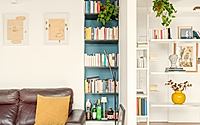
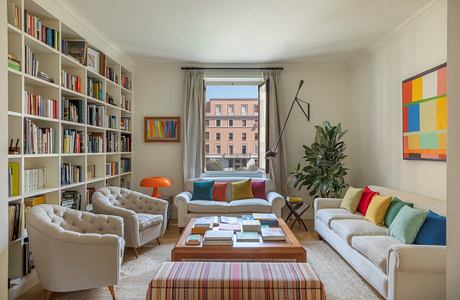
The Home of Yesterday, Today, and Tomorrow is an apartment in Naples, Italy, where Colandrea Bausano Architetti reshapes a 75-square-meter home for a returning family. The project folds decades of memory into a modern plan, keeping Persian rugs and inherited pieces in conversation with newer furnishings. Light, color, and a few precise interventions guide the rooms from one daily use to the next.
Urban Villa is a three-level apartment in Milan’s Washington district, designed by Studio Marco Piva for a family of five. Set within a newly built house, it brings together warmth, proportion, and the city’s mix of history and change through a calm, contemporary approach.
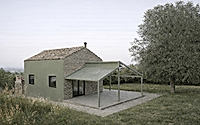
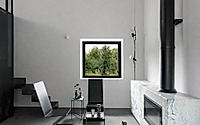
Borghetto Sant’Angelo reworks a house in Soriano nel Cimino, Italy, by MGK | Studio. Set within a mid-20th-century rural complex, it turns old farm buildings into independent living spaces tied closely to the countryside. Peperino stone, dusty-green plaster, and iron give the conversion a calm, grounded presence.
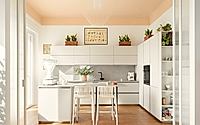
Villa Borghese is a 2019 apartment in Rome, Italy, renovated by Costanza Santovetti Studio. Set in Parioli on the fourth floor of a 1930s building, it looks toward an unexpected sweep of greenery. The project reshapes the plan around daily life, bringing the kitchen, dining room, and terrace into a brighter, more open sequence.