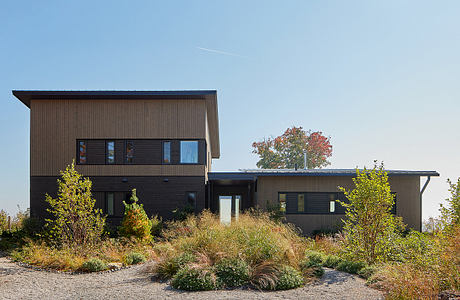
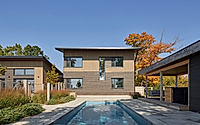
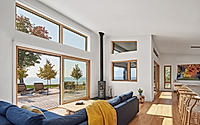
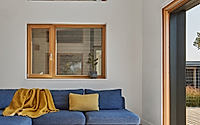
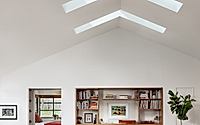
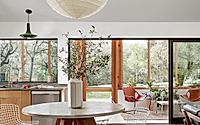
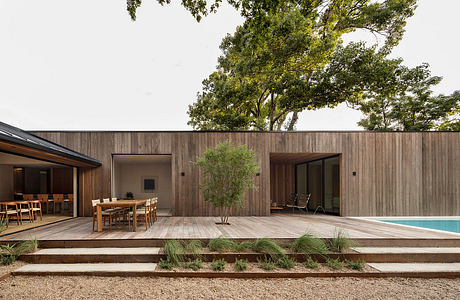
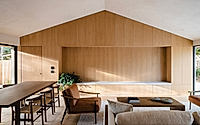
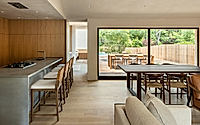
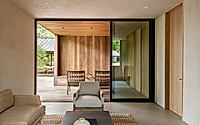
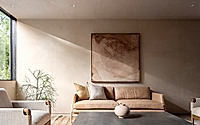
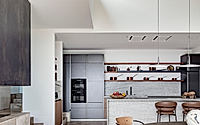
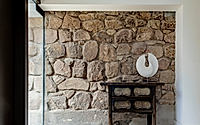
La Pointe is a lakeside house located in Prince Edward, Canada, designed by Solares Architecture. Completed in 2023, the property boasts sweeping views over Lake Ontario and includes a pool, cabana, guest house, and vineyard.
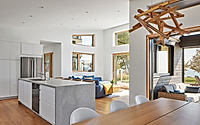
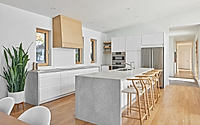
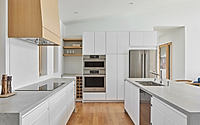
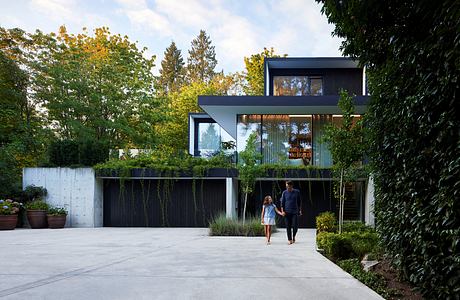
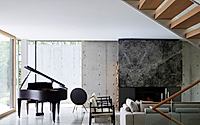
Located in Vancouver, Canada, this house by Burgers Architecture embraces sustainable design without compromising aesthetic appeal. Designed to be both passive and cozy, the home features a layered, multi-level structure with floor-to-ceiling windows that open to the west, maximizing natural light and connecting with the surrounding nature.
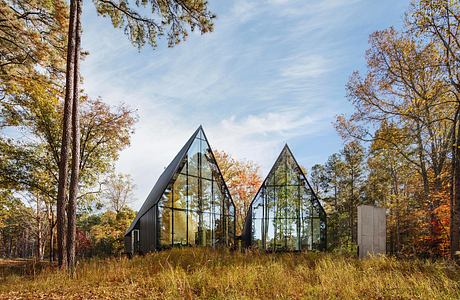
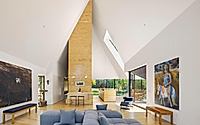
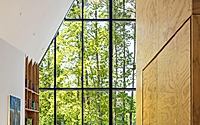
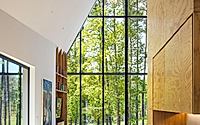
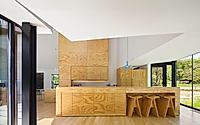
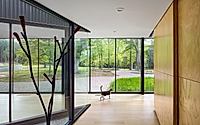
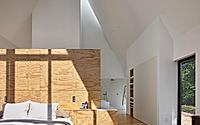
Brooks + Scarpa designed the Steeplechase House in Hillsborough, United States. Set in the Appalachian foothills, the house features double gable roofs and expansive windows that connect the interior to the surrounding forest.
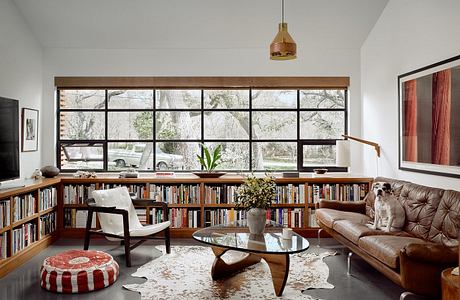
Side Angle Side transformed a 1970s rancher in Austin, Texas, into a spacious one-bedroom home. Designed in 2023, Reynolds Road was remodelled to improve energy efficiency and suit the homeowners’ lifestyle. Additions like solar panels, Tesla backup batteries, and rainwater collection provide reliable energy, allowing the property to go fully off-grid, as during a recent ice storm when power was out in the neighborhood.
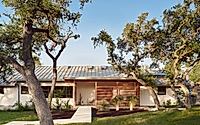
The firm Black Rabbit remodeled the Friar Tuck Residence in 2024, embracing sustainability and natural materials while preserving its original form. Located in Austin, Texas, the mid-century house incorporates passive solar techniques and a variety of courtyards.
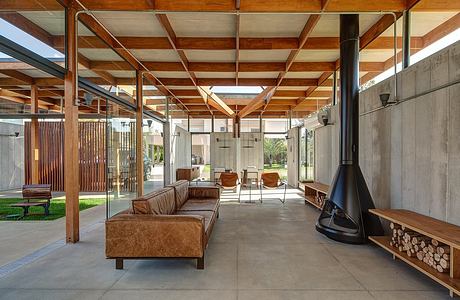
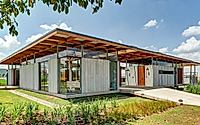
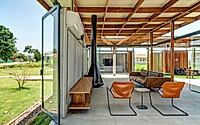
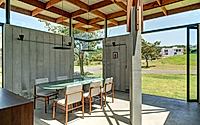
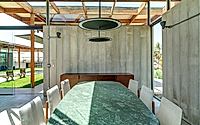
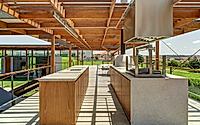
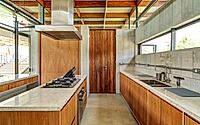
Casa Serra Azul, a wooden structure and prefabricated panel house designed by Apiacás Arquitetos in 2022, occupies a plot in São Paulo, Brazil. The layout embraces a horizontal form, maximising interaction with the land and providing excellent cross-ventilation. Its cohesive design, featuring a large wooden roof, aims to minimise material waste and introduce new construction possibilities, prioritising environmental concerns.
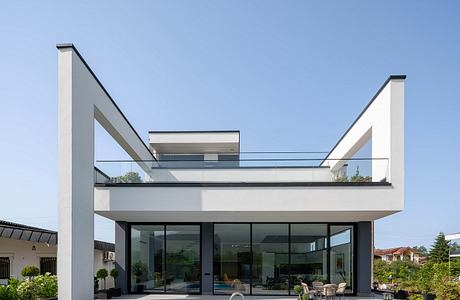
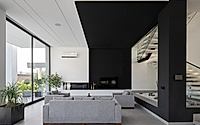
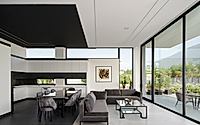
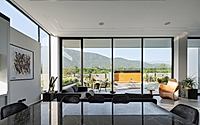
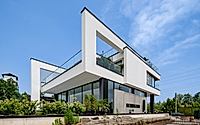
The Avico Villa by Majid Roudgarpour in Chālūs, Iran, is designed to maintain a close connection between the interior spaces and the courtyard. Completed in 2024, the house features staggered rectangular volumes that emphasize the building’s relationship with its outdoor surroundings. Roudgarpour incorporated spacious terraces with views of the Alborz Mountain range, glass railings, and passive systems to enhance natural ventilation and energy efficiency.
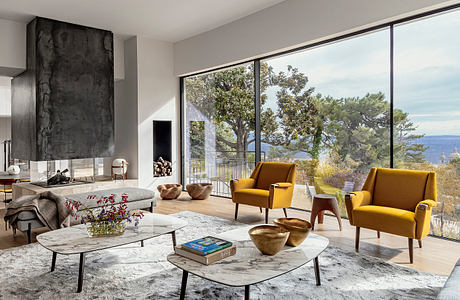
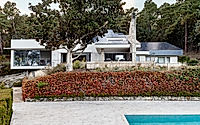
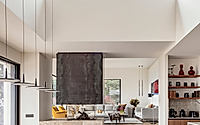
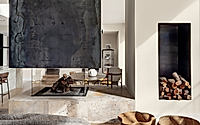
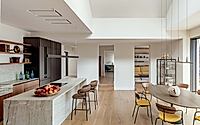
Designed by Ábaton, the El Escorial Renovation is a comprehensive overhaul of a 1976 house in Madrid, Spain. Situated amid the dense forest of Mount Abantos, the project focuses on sustainability and energy efficiency, utilizing modern technologies and materials. The design prioritizes the connection with the surrounding environment, incorporating large windows for natural light and integrating as much of the original structure as possible. The renovation encourages family interaction, linking indoor and outdoor spaces seamlessly.