Smart Motion in Design: 12V Linear Actuators for Modern Interiors
Many people still see a modern home as all about pretty finishes and trendy décor, but these days it’s more about comfort and smart technology in design, not just the visual side. More and more, homeowners and designers are adding movement to interiors, spaces that adjust to you instead of the other way around. The secret behind these smooth, hidden motions? Small but powerful devices called linear actuators.

One of the most accessible and versatile solutions is the Progressive Automations linear actuator, which has become a go-to option for designers looking to merge practicality with luxury. These compact mechanisms convert electrical energy into controlled linear movement, opening up creative opportunities to hide, reveal, or adjust elements within a space. Whether it’s a television lifting smoothly out of a cabinet, or hidden storage compartments sliding into view, actuators help bring fluidity to modern interiors without compromising on style.
The real appeal of integrating motion into design is the way it enhances both aesthetics and usability. Instead of relying on visible handles, cords, or bulky mechanisms, designers can use hidden actuators to keep spaces clean and minimal. A linear actuator 12v, for instance, can be discreetly installed inside furniture, walls, or ceilings to create motion on demand. From automated kitchen counters that adjust height to motorized blinds that respond with a button press, these systems make everyday tasks seamless and elegant.
Another reason actuators are increasingly popular in interior projects is their adaptability. They are available in different stroke lengths, speeds, and weight capacities, meaning they can be tailored to suit unique design requirements. Compact units work perfectly in smaller pieces of furniture, while heavy-duty models handle larger applications such as sliding walls or retractable home theater screens. This flexibility allows architects and interior designers to create multifunctional spaces that adjust according to mood, activity, or occasion.
Design That Moves With You
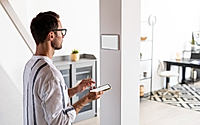
The growing trend of smart homes has also amplified the use of actuators in interiors. When paired with home automation systems, actuators can be programmed to synchronize with lighting, climate control, or audio-visual setups. Imagine pressing one button to dim the lights, lower the projector screen, and adjust the recliner for a perfect movie night. Motion becomes more than convenience, it becomes part of the experience.
Designers are increasingly recognizing that comfort in the modern home is not just about the softness of a sofa or warmth of a lamp, but about how spaces can adapt dynamically to their users. With actuators, creativity is not limited by traditional mechanisms. Instead, interiors become interactive, giving residents greater control while maintaining visual harmony.
As technology continues to merge with design, actuators are set to play an even larger role in shaping the interiors of tomorrow. By combining precision engineering with sleek aesthetics, they bring to life the idea of smart motion, where beauty meets functionality in every corner of the home.
- by Matt Watts