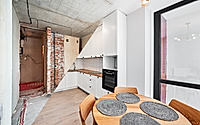
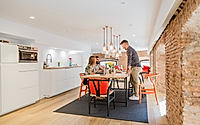
Smart Remodeling Strategies to Make the Most of Small Homes in 2025
Small homes can be cozy, efficient, and charming — but they can also feel cramped if they’re not designed thoughtfully. As we move into 2025, homeowners are looking for creative remodeling solutions that maximize square footage without sacrificing style or comfort.
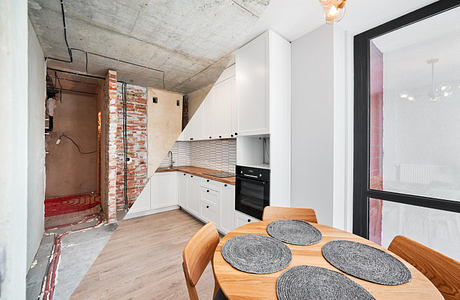
If you’re planning a renovation, choosing an experienced contractor like High Bridge Development can make all the difference in turning a tight space into a functional, beautiful home that feels much larger than it is.
Here are the top strategies for maximizing space in small homes in 2025 — practical, stylish, and tailored for modern living.
1. Embrace an Open-Concept Layout
Walls can make rooms feel smaller by breaking up sight lines. Knocking down non-load-bearing walls can open up your home, creating a more spacious and connected feel.
Benefits of open-concept designs:
- More natural light throughout the home
- Flexible furniture arrangements
- Better flow for entertaining and daily living
If removing a wall entirely isn’t possible, consider widening doorways or adding pass-through windows to visually expand the space.
2. Build Up, Not Out
When square footage is limited, look upward. Vertical storage and tall cabinetry take advantage of unused wall space, making rooms feel more organized and less cluttered.
Ideas to try:
- Floor-to-ceiling kitchen cabinets
- Tall bookcases with decorative ladders
- Vertical wall shelving in bathrooms and offices
This approach draws the eye upward, creating the illusion of higher ceilings.
3. Invest in Multi-Functional Furniture
Furniture that serves more than one purpose is essential in a small home.
Examples include:
- Beds with built-in drawers or lift-up storage
- Dining tables that fold down from the wall
- Convertible sofas that become guest beds
- Benches with hidden compartments
By combining functionality with style, you can reduce the need for extra pieces that take up valuable floor space.
4. Create Built-In Storage Solutions
Custom built-ins are one of the smartest investments for small spaces. They can be tailored to awkward corners, alcoves, or underutilized areas like staircases.
Popular built-in ideas:
- Under-stair drawers or cabinets
- Window seats with hidden storage
- Recessed shelving between wall studs
Built-ins create a polished, intentional look while keeping clutter out of sight.
5. Use Light Colors and Reflective Surfaces
Color choice plays a huge role in how big a room feels. Lighter tones, especially whites, creams, and soft grays, can make spaces feel airy and open.
Add reflective elements like:
- Glossy cabinets
- Mirrored walls or closet doors
- Glass or acrylic furniture
These features bounce light around the room, amplifying the sense of space.
6. Optimize Kitchen Efficiency
Small kitchens can be just as functional — and beautiful — as larger ones with the right design approach.
2025 kitchen space-maximizing trends:
- Pull-out pantry systems for narrow spaces
- Deep drawers instead of lower cabinets
- Integrated appliances to streamline the look
- Under-cabinet lighting to brighten work areas
A well-planned small kitchen can feel spacious and be highly efficient for cooking and entertaining.
7. Incorporate Sliding or Pocket Doors
Traditional swinging doors take up valuable floor space. Replacing them with sliding barn doors or pocket doors frees up room and adds a modern touch.
This is especially useful for:
- Bathrooms
- Closets
- Laundry areas
- Home offices
Pocket doors disappear into the wall entirely, giving you more usable square footage.
8. Add Outdoor Living Space
When your interior is tight, extend your living area outdoors. A well-designed deck, patio, or screened porch can function as an additional “room” for dining, lounging, or entertaining.
Features to consider:
- Weather-resistant furniture
- Outdoor kitchens or grilling stations
- Retractable awnings for shade
- String lights for ambiance
Outdoor living spaces can significantly enhance the functionality and value of your home.
9. Use Zoning to Define Spaces
Open layouts are great for a sense of space, but they can feel chaotic without defined zones. Use area rugs, furniture arrangement, and partial walls to create distinct areas for cooking, dining, and relaxing — all without closing in the space.
10. Work with a Contractor Who Specializes in Creative Design
Maximizing a small home requires more than just standard remodeling skills — it calls for creative problem-solving and custom solutions. A contractor experienced in small-space renovations can deliver layouts, storage, and aesthetic upgrades that make every square foot count.
Final Thoughts
Living in a small home doesn’t mean compromising on comfort, style, or functionality. By incorporating open layouts, built-in storage, multi-functional furniture, and light-enhancing finishes, you can make your home feel larger and more inviting.
With the right remodeling strategy — and a skilled contractor — your small home can feel like a big lifestyle upgrade in 2025.
- by Matt Watts