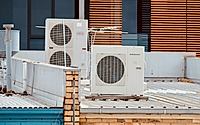
The Hidden Weight of Living in Relentless Heat
Living in constant heat is rarely only about discomfort. It shapes how a day is planned, how a home is used, and how much energy is left for anything beyond basic routines. In places like Texas, where long hot stretches feel normal, heat becomes an ongoing environment that influences sleep, attention, patience, and household costs.

That is why people search for practical guidance about maintaining heating, ventilation, and air conditioning systems during hot Texas weather and keep it saved for the months when the forecast stops offering relief. When indoor comfort becomes a daily necessity, even a simple reference like HVAC Repair can help connect the lifestyle challenge to real system upkeep in a natural, grounded way.
Heat changes the economy of everyday life
Constant heat quietly changes what “normal” costs. Electricity use rises, and so does the importance of every small efficiency decision. A home that can hold temperature well and a cooling system that runs smoothly usually feel like luxury during peak months, even though they are basic infrastructure in a hot climate.
It’s hard because the prices of heat come from a lot of different places at once. As cooling needs rise, so does the work of controlling humidity, and people can’t stand it when systems aren’t working well. Problems as small as a partially blocked filter, a dirty coil, or less oxygen can make operations take longer and cost more during those times. As a result, this has become a clear cash and mental burden over the course of several weeks.
This is also where seasonal planning becomes meaningful. The line between a stable summer and a chaotic one often comes down to whether the HVAC system enters the hot season prepared. Many homeowners recognize the logic captured in this idea:
Seasonal tune-ups are great because they keep your HVAC system from needing fixes when it’s already hot outside.
Tuning at certain times of the year keeps small problems from getting worse and becoming bigger problems later on. This preventative method increases overall efficiency, lowers the number of breakdowns that happen out of the blue, and saves homeowners the cost of expensive last-minute service calls when demand is high.
Heat does put a real and measured strain on your mind
Heat creates a specific type of fatigue that feels different from being “busy.” It reduces the space for spontaneity. Errands get scheduled earlier. Outdoor plans become limited to narrow windows. Even basic tasks like cooking or cleaning can feel heavier when the indoor environment never fully resets.
Over time, a household adapts through micro-decisions:
- Which rooms are used most during the day
- Where fans are placed to support airflow
- When laundry runs to avoid adding heat at peak hours
- How doors stay closed to protect cooled zones
- When a thermostat is adjusted to balance comfort and cost
Those decisions are rational, yet they also add mental friction. This is why reliable cooling matters beyond simple comfort. Stable indoor temperature supports concentration and mood. It helps families sleep more consistently. It reduces the low-grade stress of feeling trapped by the weather.
A useful angle here is to treat HVAC performance as part of daily well-being. When a system runs smoothly, the home feels predictable. When it struggles, everything gets harder: sleep becomes lighter, temp swings increase irritability, and daily schedules shrink.

Homes in hot climates need a different comfort strategy
In relentless heat, comfort is less about chasing the coldest possible temperature and more about creating steady conditions. The most successful strategy usually combines system maintenance with a few practical choices that reduce indoor load.
Here are two simple lists that frame it clearly.
High-impact comfort moves inside the home
- During peak seasons, check and swap filters often to ensure unimpeded airflow
- During overheating, pull down blinds or curtains during peak heat, and especially above windows that receive a lot of late afternoon sun
- Avoid placing furniture, rugs, and other items near return grilles, as unobstructed pathways promote easier airflow to the system, which relieves it of unnecessary strain
- Damp, sticky, or clammy air may be the result of moisture build up due to insufficient airflow, condensate drainage problems, cyclical system operation, or insufficient dehumidification
- To avoid constant system strain and overheating, set a stable baseline temperature, rather than trying to “chase”” the temperature with a baseline
Warning signs that heat is pushing the system too hard
- Cooling cycles that run much longer than usual with weaker temperature improvement
- Rooms that suddenly cool unevenly, especially after a maintenance lapse
- Unusual sounds from the outdoor unit or indoor air handler that persist across cycles
- Ice on refrigerant lines or signs of moisture problems near the indoor unit
- A sharp jump in electricity use that does not match a clear change in weather or occupancy
This approach keeps the home comfortable while reducing the chance of “wasted repairs,” where a preventable issue turns into a costly fix during peak season.
A more human way to think about HVAC maintenance
HVAC maintenance often gets framed like a technical checklist. In constant heat, a more human framing works better: maintenance protects the few parts of life that heat tries to take away.
It protects sleep. Bedrooms that stay stable overnight help the body recover. When nights stay hot, the value of dependable cooling increases quickly.
It protects routines. A reliable system supports consistent meals, work-from-home focus, kids’ schedules, and the ability to live indoors without feeling like the home is fighting itself.
It protects resilience. Extreme heat can collide with storms and outages. A well-maintained system lowers risk during high-demand weeks because it is already operating closer to its intended performance.
It protects budgets. When a system runs efficiently, a household has more control over costs. When it runs inefficiently, the budget becomes reactive.
This is where seasonal tune-ups fit naturally. They are not a luxury add-on. They are a preventive practice that aligns with how real summers behave in Texas. Hot months are long. Service calendars fill up. Emergency repairs cost more, and they arrive at the worst times. Seasonal service reduces the chance of entering that cycle.
Relentless heat is hard because it presses on the body and the household at the same time. A steady home environment becomes part of mental clarity and physical recovery, not just comfort. When HVAC care is treated as household infrastructure, daily life gets easier to manage, even when the forecast refuses to change.
- by Matt Watts