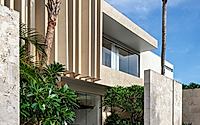
Villa Lyla by SAOTA
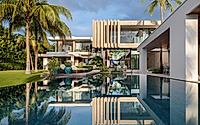
Villa Lyla stands on the canal edge of Nassau, Bahamas, as a private house shaped by SAOTA around water, gardens, and measured calm. The estate unfolds across lush grounds with an infinity pool and direct boat access, where layered forms respond to the tropical climate. Within this quiet setting, architecture, interior work by ARRCC, and landscape by Raymond Jungles work together to choreograph daily life between interior rooms and open air.


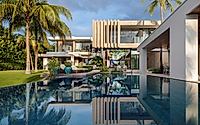
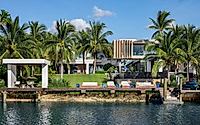
Gentle water laps against the canal wall while the house stretches toward the horizon, its pale stone catching the Bahamian sun. Deep overhangs cast long bands of shade that cool the terraces and draw attention to the lush planting at their edge.
Villa Lyla is a private house in Nassau, Bahamas, designed by South African studio SAOTA as a quiet retreat on the canal waterfront. The residence shapes daily life around climate, water, and garden, using proportion, layered volumes, and generous glazing to open interior rooms to light and breeze. Across the estate, architecture, interiors by ARRCC, and landscape by Raymond Jungles align around one idea: living in close, deliberate contact with a humid, coastal environment.
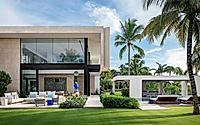
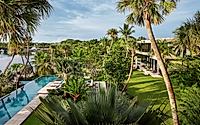
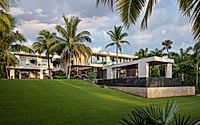
The house stands within a tropical garden, with a large infinity pool leading the eye back toward the canal and boat dock. Courtyards, planted edges, and terraces treat the garden as a continuation of the built fabric, rather than a distant backdrop. Expansive glazed openings slide away to dissolve barriers, so movement from shaded interior to sunlit deck follows the same easy rhythm as moving from land to water.
Framing Water And Sky
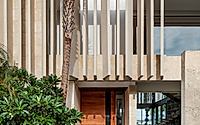
The plan revolves around axial relationships that aim sightlines toward the canal, surrounding greenery, and the distant horizon. Long views cut through the house, so a person crossing a corridor stays visually connected to the water even when indoors. Oversized fins draw on the grain of local coral stone and act as brise-soleil, cutting glare while framing fragments of sky, garden, and canal. Their rhythm gives depth to the façade and grounds the villa in its coastal setting, where changing light plays across textured stone during the day.
Gardens As Rooms
Landscape design treats gardens and courtyards as outdoor rooms, each with its own degree of enclosure and shade. Native planting thrives in the humid climate, creating dense edges that filter wind and provide privacy from neighboring properties. Water elements and artworks, including a sculpture by Lionel Smit, punctuate paths and terraces so every route across the grounds yields a specific pause. These planted areas work as transitional zones between interior volumes and open canal frontage, softening microclimate while giving residents varied places to sit, walk, and reflect.
Interiors Drawn Outdoors
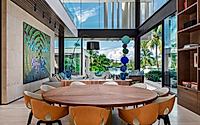
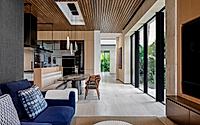
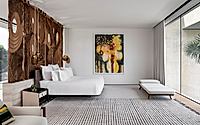
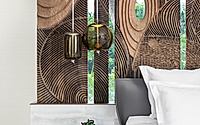
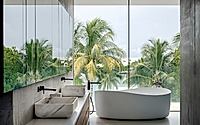
Inside, ARRCC continues the calm established by the architecture through a restrained material palette of timber, stone, and expansive glazing. Natural finishes bring warmth and texture, yet keep visual noise low so attention returns to garden and water. Large panes pull vegetation and reflected light deep into living areas, turning the canal and pool into shifting focal points rather than distant views. A curated collection of work by Bahamian artists, including pieces by the late John Beadle, reinforces local identity, while bespoke elements such as a sculptural dining table by Nada Debs add crafted heft without overwhelming the rooms.
Linked Pavilions And Climate
The estate extends beyond the main dwelling to a separate pavilion that holds a guest suite and office, maintaining privacy while staying within the same architectural vocabulary. Consistent ceiling heights and shared materials tie the volumes together, so moving between them feels like shifting climate zones rather than changing buildings. Generous overhangs, courtyards, and planted buffers temper sun and humidity, allowing daily routines to push toward outdoor living without sacrificing comfort. Local coral stone, used in varied tones and textures, deepens the physical bond to the island’s geology and supports a reading of the house as part of its shoreline.
As daylight fades, the fins, terraces, and gardens settle into softer shadow while the canal surface reflects scattered points of light. Movement slows to short walks between interior rooms and open decks, with air passing through glazed openings that stay wide until late evening. In this pattern, Villa Lyla reads as both house and landscape frame, holding together water, planting, and built form in a way that feels anchored to its tropical coast.
Photography courtesy of SAOTA
Visit SAOTA