The St. Regis Red Sea Resort by Kengo Kuma and Associates
The St. Regis Red Sea Resort is a luxury tourism destination on a Saudi Arabian island designed by Kengo Kuma and Associates. The project brings together 100 villas and public facilities in low, land-sensitive forms that respond to dunes, coral, and the surrounding sea.
About The St. Regis Red Sea Resort
Kengo Kuma and Associates design The St. Regis Red Sea Resort as a luxury tourism destination on a pristine island in Saudi Arabia. The project aims to set a new benchmark for sustainable development while helping position the Kingdom as a global tourism hub.
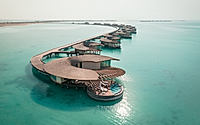
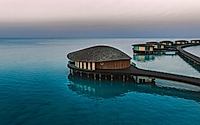
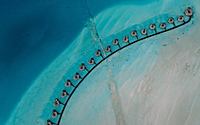
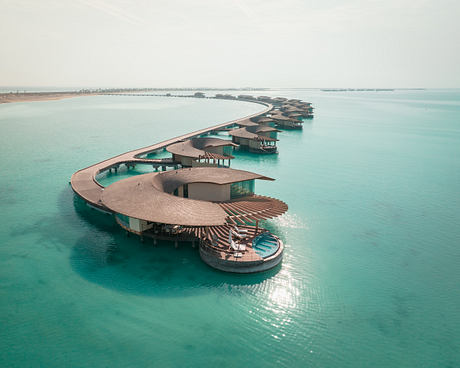
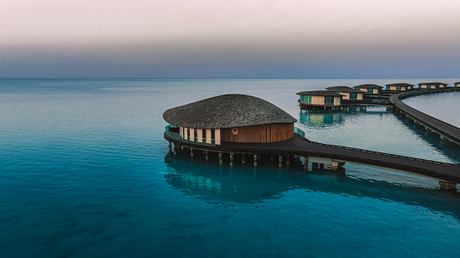
The resort includes 100 villas across seven typologies, ranging from land-based units to overwater villas, along with a series of public facilities. Its scale is ambitious, but the architecture stays close to the ground and to the island’s natural profile.
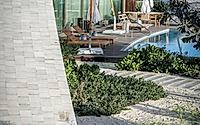
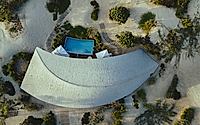
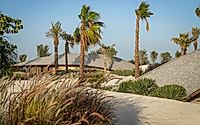
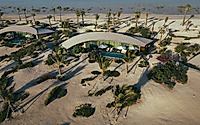
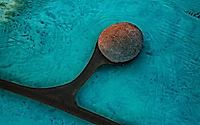
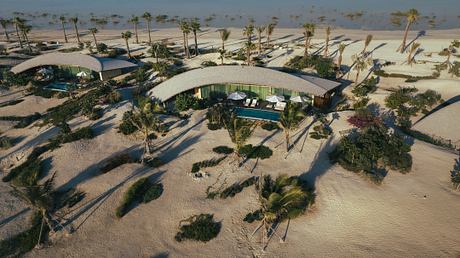
The flat terrain suggests low, horizontal buildings that settle into the site rather than dominate it. For the dune villas and public buildings, the studio draws on the island’s sand formations, shaping roofs that fold down toward the earth and forms that read as if they have risen from the landscape.
That approach reflects the studio’s idea of anti-object architecture. Instead of presenting the building as a separate object, the land-based structures blur the line between construction and terrain, using soft curves and restrained massing to keep the natural setting in view.
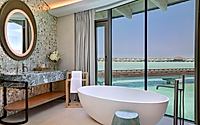
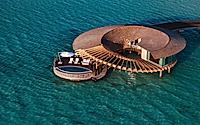
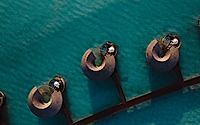
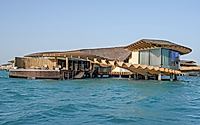
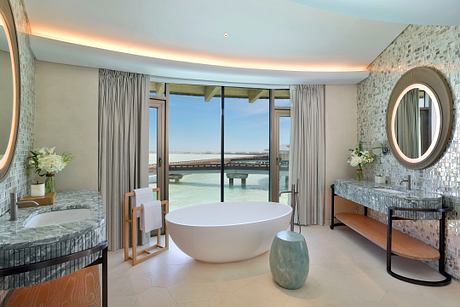
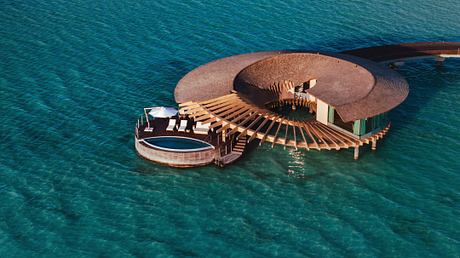
The offshore villas take a different cue, looking to the coral ecosystems below the water’s surface. Their spiraling volumes organize each plan around a private sea courtyard, while also opening the interiors to uninterrupted views in every direction.
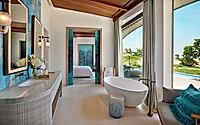
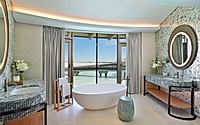
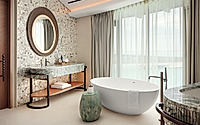
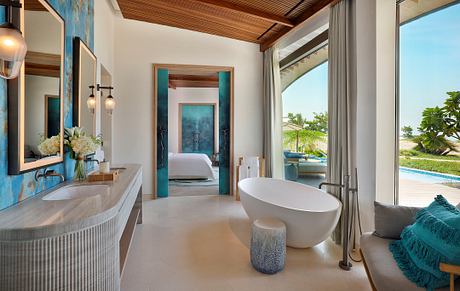
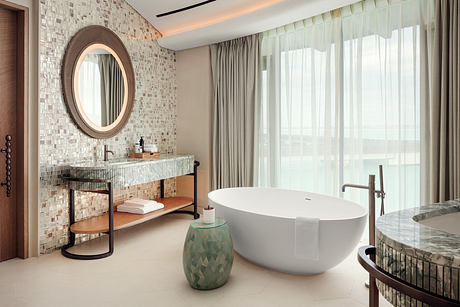
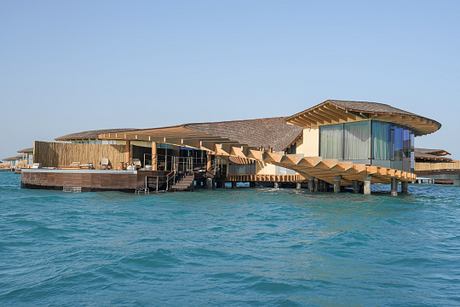
Prefabrication plays a central role because the site is remote and ecologically sensitive. Volumetric and panelized systems reduce construction time and limit disruption, while the project avoids concrete where possible in favor of natural materials that bring warmth and softness to the rooms and shared areas.
Wood and natural plaster shape the main palette, giving the interiors a tactile quality that stays human in scale. Cedar shingles cover the roofs across the project, and over time they are expected to weather to a silver-gray patina that ties the buildings even more closely to their setting.
Sustainability is not treated as an add-on here. It guides the project from the start, from material choice to construction method, and supports a larger national ambition to diversify Saudi Arabia’s economy through tourism. In that context, the resort reads as both a careful response to place and a small part of a larger transformation.
Photography by Nicola Maniero
Visit Kengo Kuma and Associates