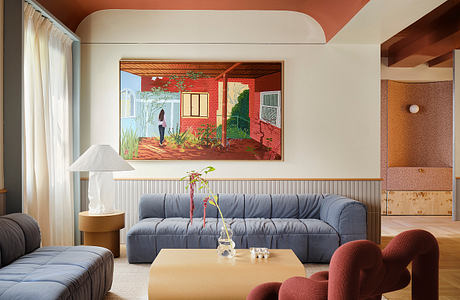
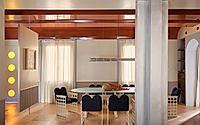
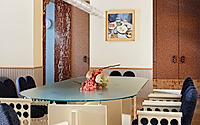
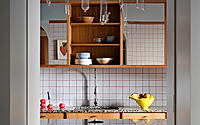
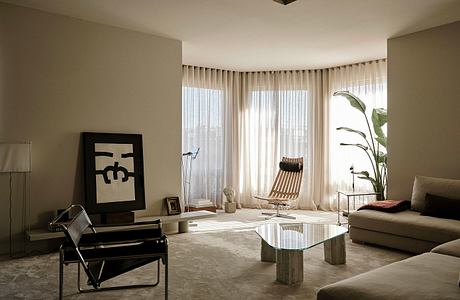
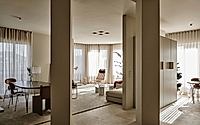
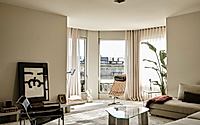
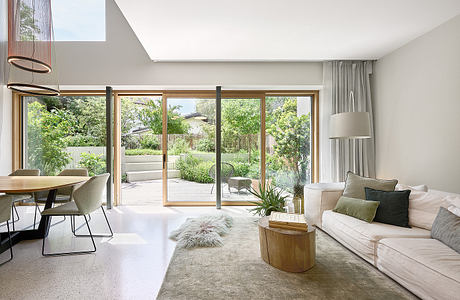
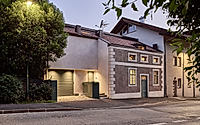
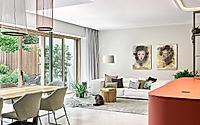
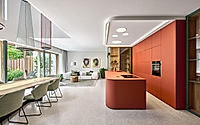
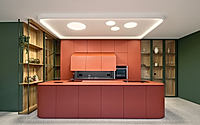
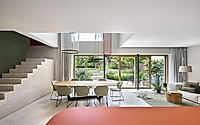
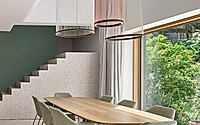
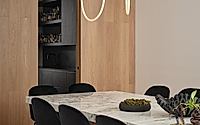
PDLL70 is a house renovation in Madrid, Spain, designed by Plutarco. Reworking a 1934 home that had been abandoned for years, the project looks closely at the period in which it was built while remaking its rooms for contemporary living. Vaulted ceilings, glossy surfaces, and a careful mix of marbles, wood, terrazzo, and color shape an interior that moves between historical reference and everyday use.
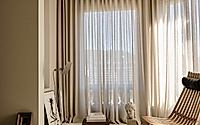
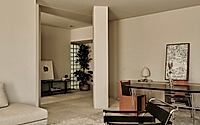
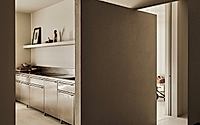
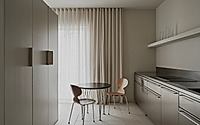
Casa Kendo is an apartment by Ortega Diago in San Sebastian, Spain, set on the seventh floor of a late 19th-century building. Designed in 2026, the project makes natural light its main ordering element, using a widened hallway, glass block screens, and continuous Campaspero stone surfaces to shape a calm, inward-looking home. Furniture and lighting pieces extend that restrained atmosphere without disturbing it.
Renovation of an Art Nouveau house in Merano recasts a historic house in Merano, Italy, by Christian Kapeller as a retreat set between a busy street and a quieter garden. Designed in 2024, the project keeps the protected façade intact while shifting the experience indoors, where a timber house-within-a-house and broad glazing reshape the mood from urban pressure to calm.
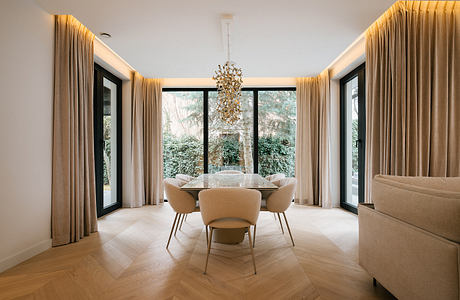
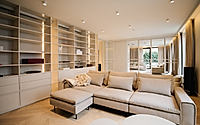
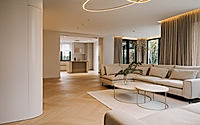
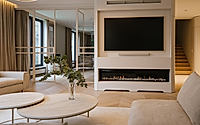
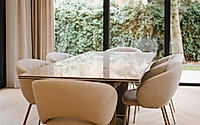
Pigwy Residence is a house renovation in Warsaw, Poland, designed by +61studio as a refined update to an existing suburban home. Completed in 2025, the project reshapes the layout around brighter, more open daily living and a restrained contemporary interior. Pale wood floors, stone surfaces, custom furnishings, and layered lighting give the rooms a calm, polished character without losing warmth.
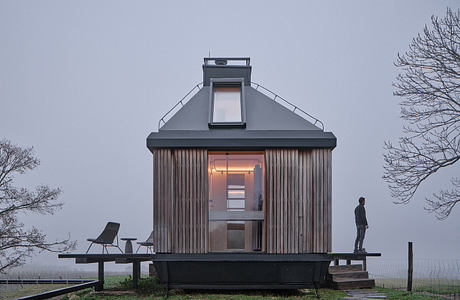
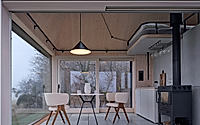
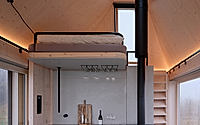
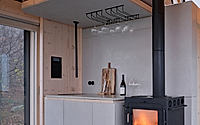
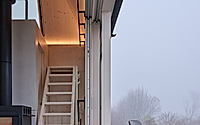
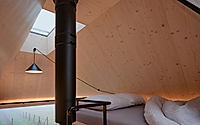
Devín is a cabin in Bratislava, Slovakia, designed by Ark-Shelter as a compact weekend dwelling with full off-grid capability. Completed in 2024, it works within a 20-square-meter footprint while opening broadly to vineyard views, fold-down terraces, and a carefully choreographed interior that shifts from daily routines to sleep with remarkable economy.
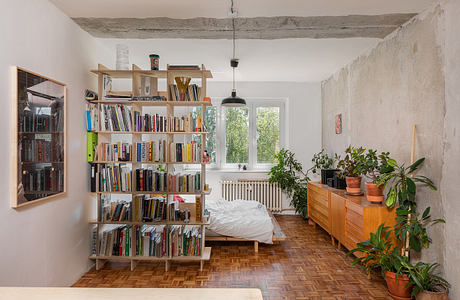
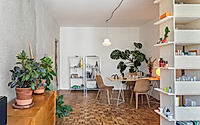
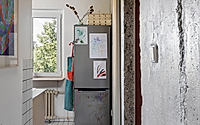
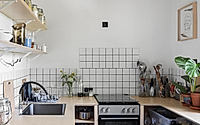
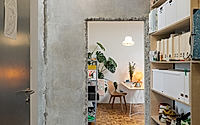
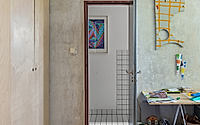
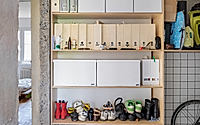
Painters’ Apartment is a compact apartment renovation in Prague, Czech Rep., designed by Neuhäusl Hunal for a young family of academic artists. Completed in 2020, the project works within a restricted budget and keeps the plan largely intact, using concrete, plywood, tile, reused furniture, art, and self-built elements to turn a small panel-house flat into a relaxed, flexible home.
House 117 is a house in Toronto, Canada, designed by Izen Architecture, with interiors developed in collaboration with DS Interiors. Designed in 2026, the project is shaped by an elevated plan, elongated gray brickwork, and a restrained material palette that carries from the facade to the stair, kitchen, and baths. Light moves deep into the home through cut openings, recessed windows, and a skylit shower.
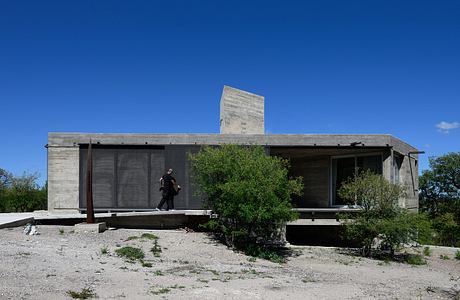
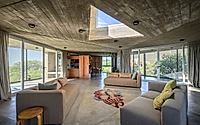
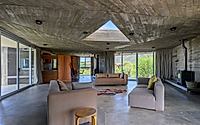
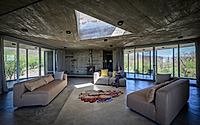
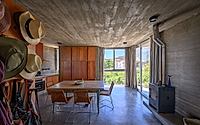
Casa Cosmos is a house in Capilla del Monte, Argentina, designed by Estudio Cristian Nanzer in the foothills of the Punilla Valley. Designed in 2024, it uses a triangular plan to orient daily life toward three distinct horizons while anchoring the rooms around a central social core. Heavy walls, shaded galleries, and a skylight make light, privacy, and climate the project’s main instruments.