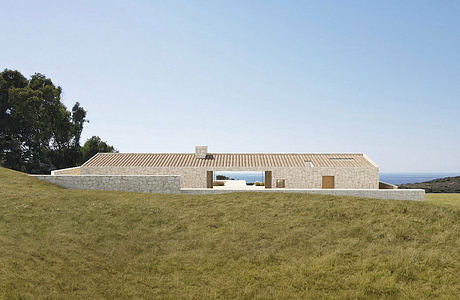
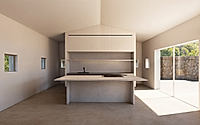
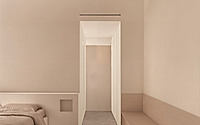
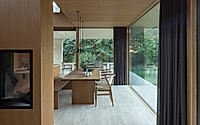
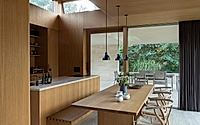
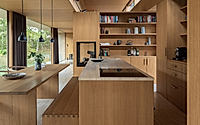
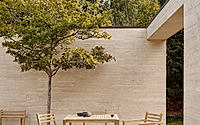
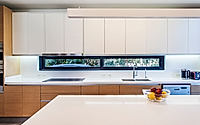
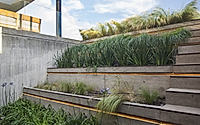
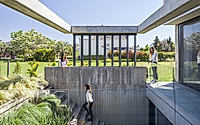
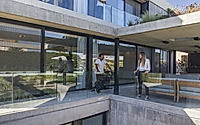
La Marinedda Residence sits on a sloping hillside in Sardinia, Italy, where Space4Architecture shapes a new coastal house from local stone and measured light. The single-story dwelling stretches low against the horizon, pairing an A-frame profile with a sheltered courtyard that answers the island’s wind, sun, and sea views. Calm interiors in pale finishes open directly to terraces and planted edges, giving the house a quietly contemporary yet regionally grounded presence.
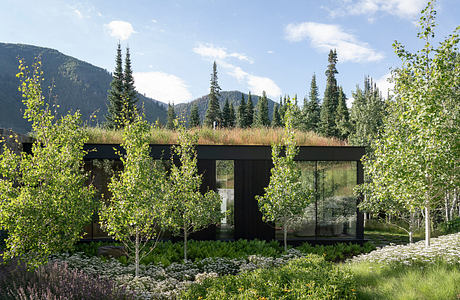
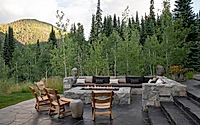
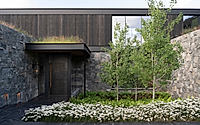
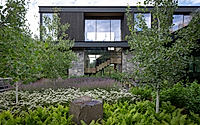
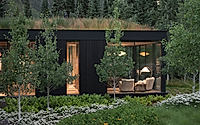
Hayden House settles into a high Colorado valley above Aspen, CO, United States, where forest and meadow meet at 8,500 feet. Design Workshop shapes the house as a year-round family retreat, building on regenerative strategies that protect most of the land while framing long views to distant peaks. Inside and out, modular pavilions, planted roofs, and restored ground plane tie domestic life to the seasons without overwhelming the fragile montane setting.
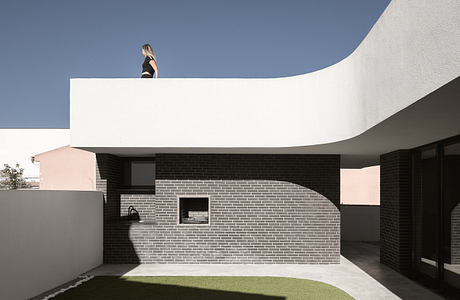
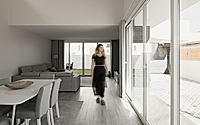
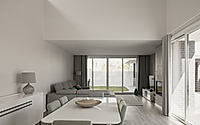
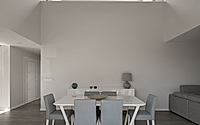
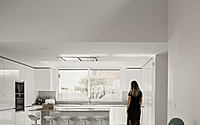
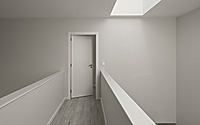
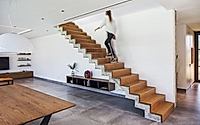
Pinhal Conde da Cunha House stands in Seixal, Portugal, as a compact house by Estúdio AMATAM that turns a constrained plot into an articulated ensemble of volumes. The project pulls interior and exterior into a single gesture, using a continuous ribbon, a dark ceramic base, and a central void to choreograph how light, movement, and daily life unfold throughout the home.
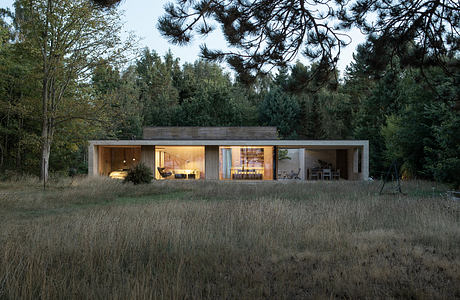
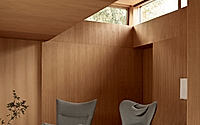
Vollerup Atrium House stands in a meadow near Nykøbing Sjælland, Denmark, where Jan Henrik Jansen shapes a calm second home from stone, timber, and sky. The house extends a Danish couple’s life beyond their inner-city apartment, giving their family a coastal retreat that also supports remote work. It reads as both refuge and outpost, with an inward-looking atrium balanced by long views toward the water and surrounding trees.
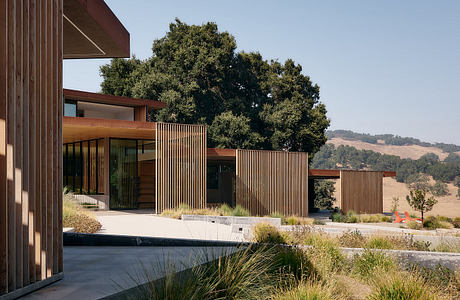
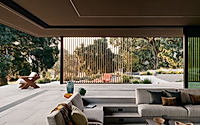
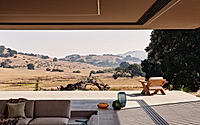
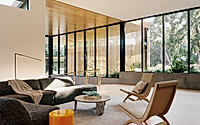
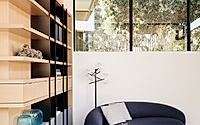
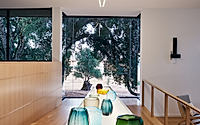
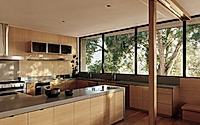
Meadow House sits within the secluded Santa Lucia Preserve near Carmel-by-the-Sea, CA, United States, shaped by Mark English Architects. The house answers a multigenerational Korean-American family’s brief for a Californian home with a distinctly Korean heart, set against strict conservation rules and a powerful meadow landscape. What results is a low, Z-shaped residence where indoor-outdoor living, measured light, and layered privacy give daily life a deliberate rhythm.
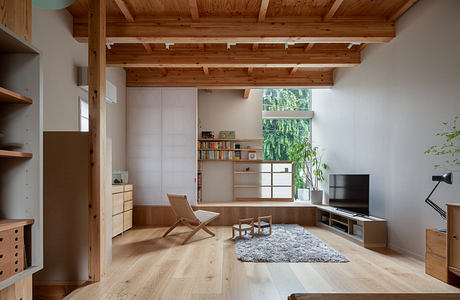
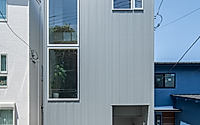
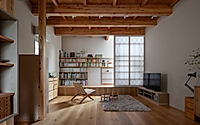
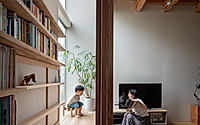
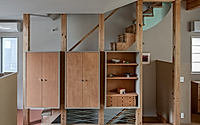
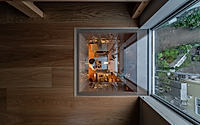
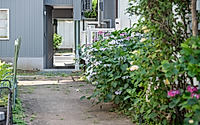
House in Itabashi sits in a tight residential pocket of Tokyo, Japan, where TERRAIN architects rethinks how a family house meets the street. On a narrow plot close to central Tokyo, the three-story wooden home experiments with vertical light, layered thresholds, and a new kind of window depth to mediate daily life in a dense neighborhood.
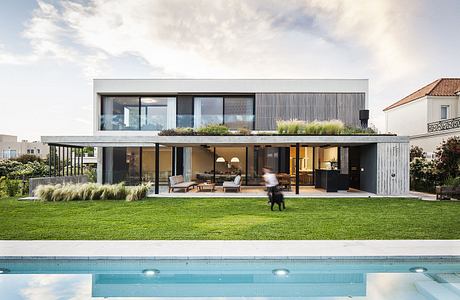
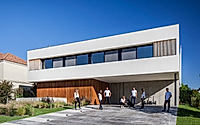
R House sets an assertive profile in Pilar, Argentina, where Estudio GMARQ translates a large family’s ambitions into a disciplined house on a tight plot. The project organizes social life at grade, recreation and storage underground, and service rooms around planted courtyards, turning constraints of land and program into a clear three-level arrangement. Everyday routines stay compact, yet each zone gains light, air, and a sense of measured expansion.
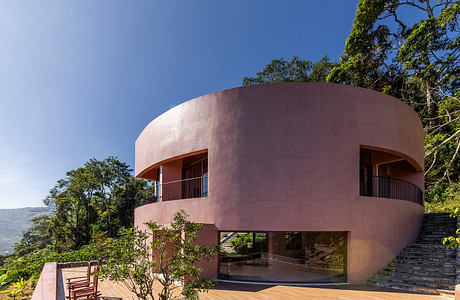
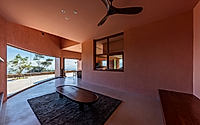
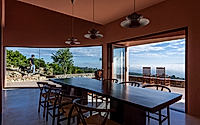
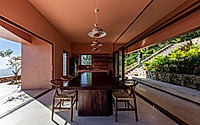
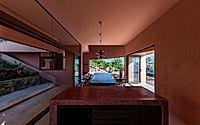
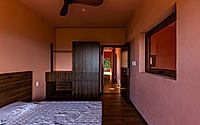
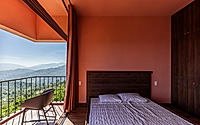
Bao Lam Retreat stands in Lam Dong, Vietnam, as a house shaped for quiet retreat in the highlands, designed by 6717studio. Curving along the slope and opening to forests and distant peaks, the project turns a private dwelling into a place for emotional reset. Large glazing, red-toned walls, and open interiors frame the landscape while sustaining a close, daily dialogue with the region’s cool air and changing light.