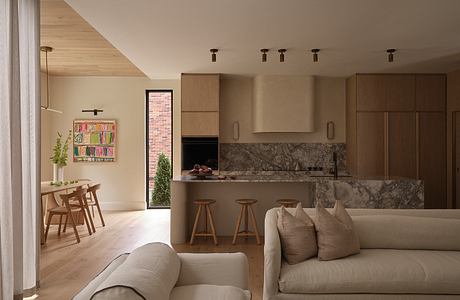
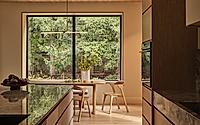
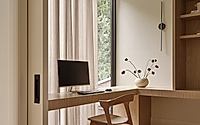
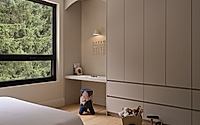
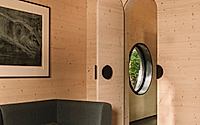
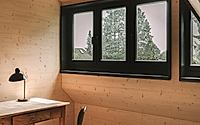
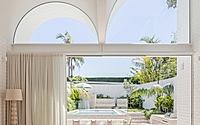
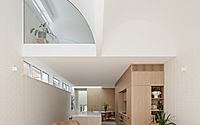
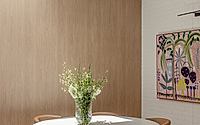
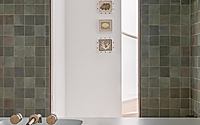
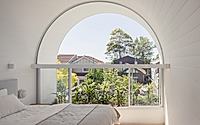
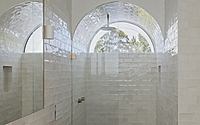
Project 21 lands in Ancaster, Canada, with a quiet confidence and an eye on longevity. Designed by SMPL Design Studio as a house for a young family, it leans into calm materials, measured asymmetry, and tailored millwork to set a restorative tone. The result favors warmth over gloss and movement over fuss, with curved gestures and tactile finishes threading through rooms meant to evolve as daily rhythms change.
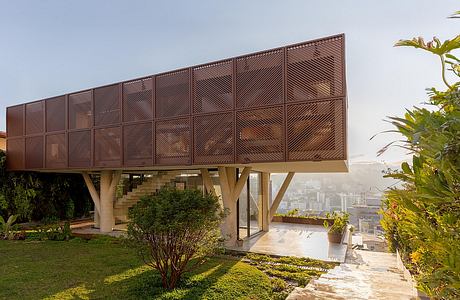
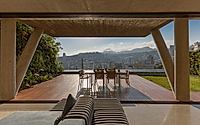
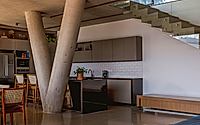
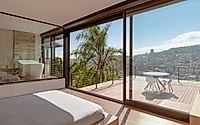
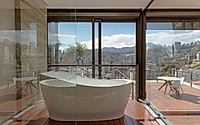
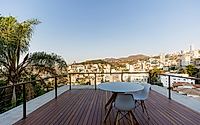
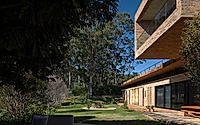
Casa Lua lands in Belo Horizonte, Brazil, with a poised urban presence and a clear view toward the Serra do Curral. TETRO Arquitetura organizes the house as four stacked levels on a steep slope, each one reading as a belvedere. The real estate type is a house, yet the layout stretches beyond a typical domestic plan, binding daily life to the horizon and the moonrise that clears the mountains.
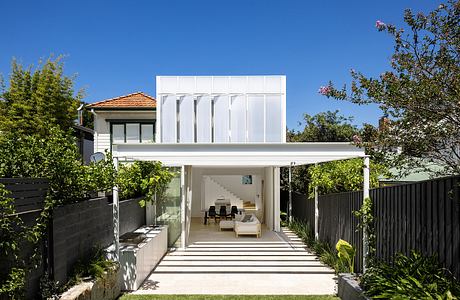
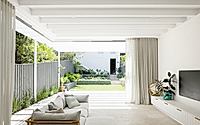
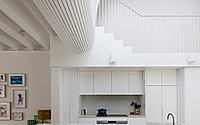
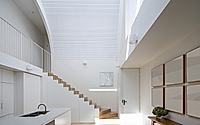
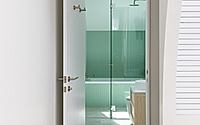
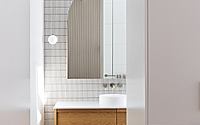
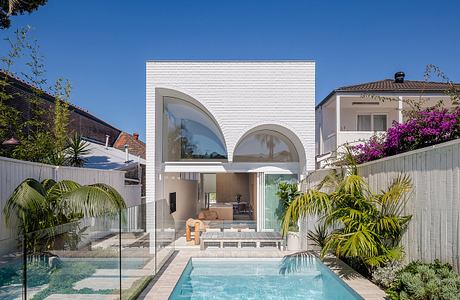
Summersault House sets a clear rhythm in Sydney, Australia, where James Garvan Architecture reshapes a family house around light, circulation, and everyday rituals. Conceived for a five-person household in Bronte, the project stitches a restored Federation frontage to a contemporary core and a studio above an adaptable garage. The sequence leans on a tall atrium, polycarbonate cladding, and clean white interiors that move easily between garden and room.
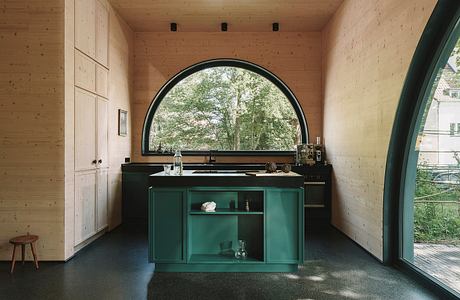
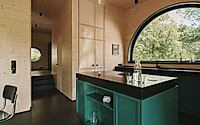
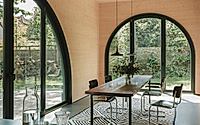
Greenkamp sits in Berlin, Germany, on one of the last open parcels within the historic Eichkamp estate. Designed by Atelier ST, the house answers a village-like context of trees, schools, and small homes with a compact form and precise material contrasts. It’s a family house with a quiet stance, tuned to the rhythms of the Grunewald and the legacy of early twentieth-century planning.
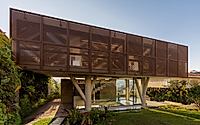
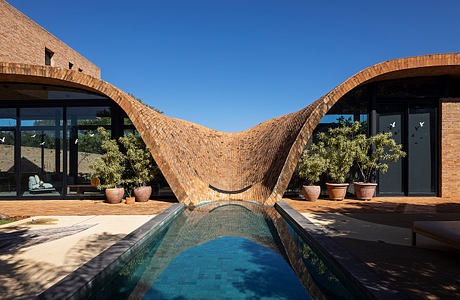
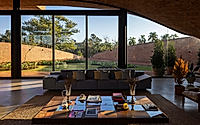
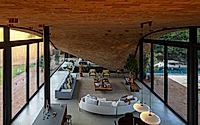
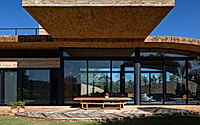
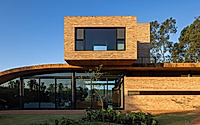
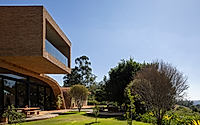
House lands in São Paulo, Brazil as a ground-up residence by Mareines Arquitetura, cast for autonomy and calm within a reforested plot. The house leans on passive strategies and a cloister-like garden to organize daily life and cool the rooms without machines. It’s a house project aimed at simplicity and connection to the land, with an expressive brick roof that gathers water and generous eaves that temper heat.
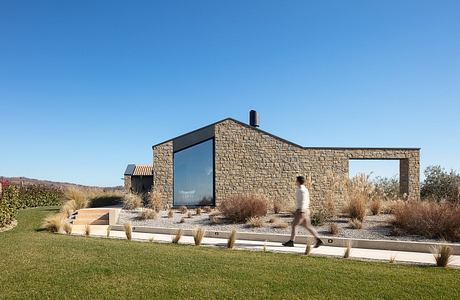
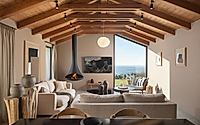
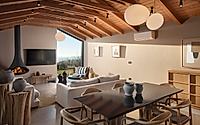
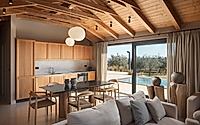
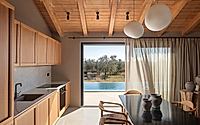
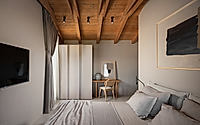
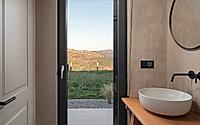
Casa Rea sits in Circoti, Croatia, a quiet Istrian village where olive groves reach the road and the hill of Motovun anchors the horizon. Designed by Sandro Uzila, this 2024 house traces a low profile and favors honest, local materials over flourish. The project reads as a retreat and a family base, built for long views, still water, and a plan that keeps attention on the landscape.
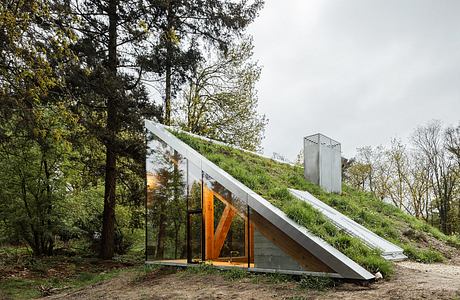
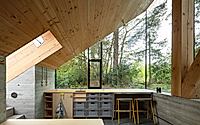
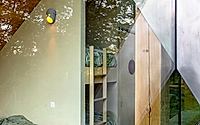
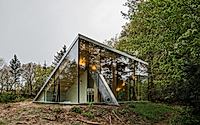
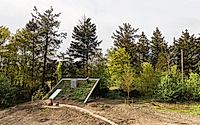
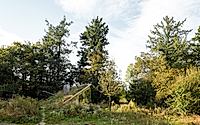
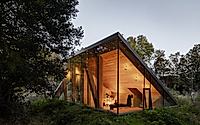
Kazemat Koningsweg sets a quiet tone on the Veluwe in the Netherlands, where JCR Architecten crafts a hideout that recedes into the land. The small holiday house occupies a former military compound now shared by housing, workplaces, and eleven compact retreats, and it meets the brief with angular restraint and a camouflaged stance. Sunken into the ground, it reads like a bunker from afar yet opens to treetop views and light within.
Moon House lands in Waverley, New Zealand, as a house by James Garvan Architecture that folds sculptural curves into a clear urban presence. The project starts from a social brief and grows into a confident composition of zinc-clad forms and brick massing. Inside, the rooms carry easy movement from entry to garden while the geometries set the tone for daily life and gatherings.