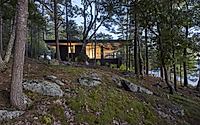
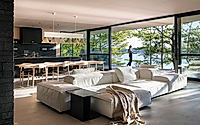
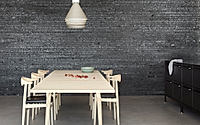
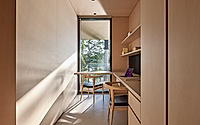
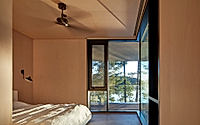
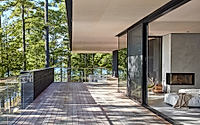
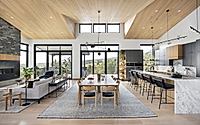
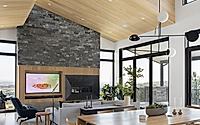
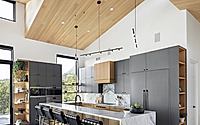
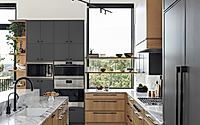
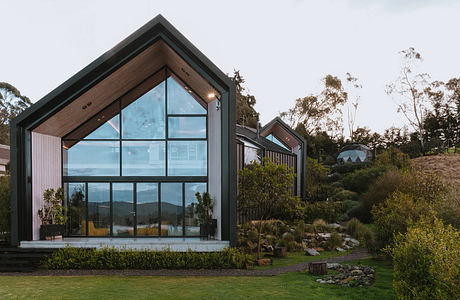
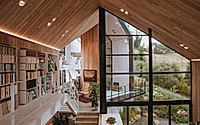
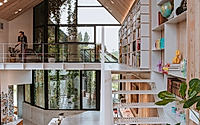
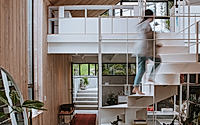
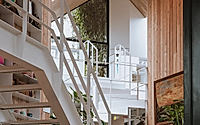
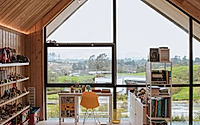
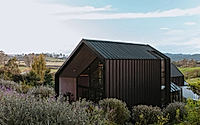
Sagamore North Cottage is a house in Muskoka District Municipality, ON, Canada, designed by Akb Architects for life close to the water and tucked from passing boats. Completed in 2025, the all-season retreat follows the island’s slope and uses dark cladding, broad roof planes, and sliding glass walls to balance privacy with long views, family gatherings, and quieter moments alone.
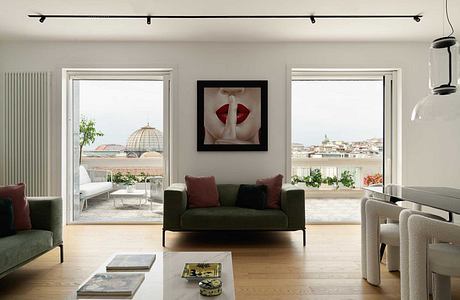
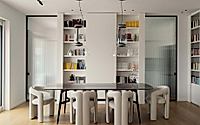
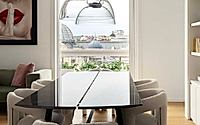
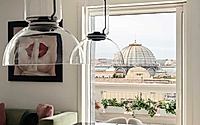
Casa San Giacomo is an apartment renovation in Naples, Italy, by Officine Architetti, set between Via Toledo and Piazza Castello near the Maschio Angioino. Designed in 2026, the 150 sq m (1,615 sq ft) home turns its relationship with the city into the project’s central idea. Three large windows and an adjoining terrace draw the dome of Galleria Umberto I into daily life, making the urban panorama part of the interior.
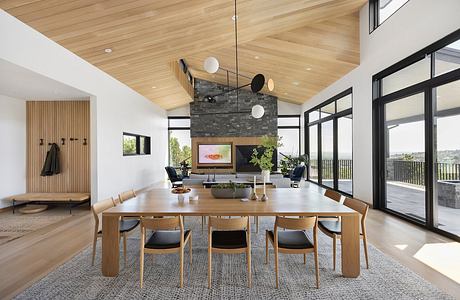
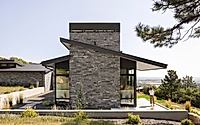
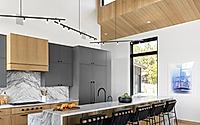
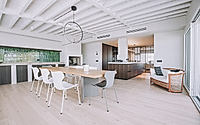
Hinge House is a 2024 house by Workaday in the foothills of Colorado Springs, Colorado, United States. Set to capture both city and mountain views, it turns early decisions about orientation into the project’s clearest architectural move: roof planes that intersect, lift, and shade. Inside, high windows, broad glazing, stone, and pale wood keep daylight and the landscape close in every room.
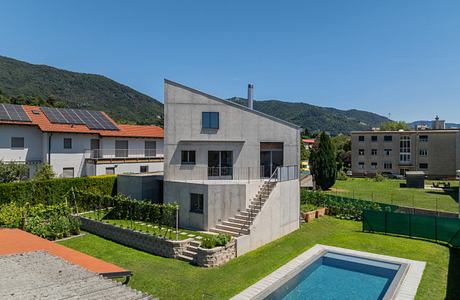
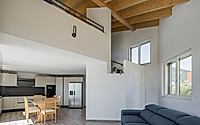
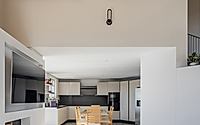
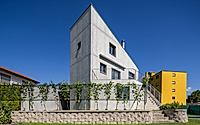
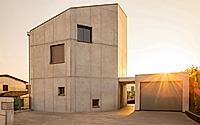
SwissHouse XL is a house in Coldrerio, Switzerland, designed by Davide Macullo Architects for a young local family with deep ties to the area. Completed in 2023, the project takes its cues from rural building types and the village edge, where the historical core meets more recent expansion. An octagonal plan, cut roofline, and exterior stair give the home a clear figure without losing its connection to place.
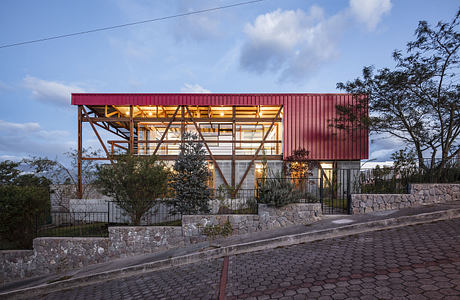
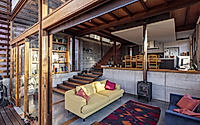
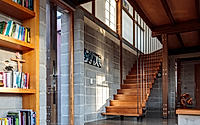
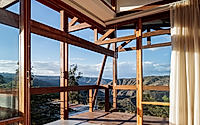
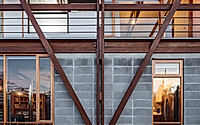
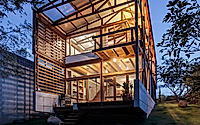
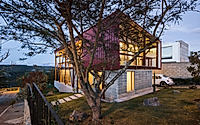
Casa Viteri Vergara is a house in Quito, Ecuador, designed by MCM+A Taller de Arquitectura for a narrow corner site in Nayón. Completed in 2018, the project responds to a steep slope, broad mountain views, and a warm, dry climate with a mixed structural system of concrete and wood. Its arrangement follows the plot’s long axis, setting social and private areas in clear relation to terrain, light, and privacy.
SKL House is a house in Envigado, Colombia, designed by CÂPÂ arquitectura as a sequence of four modules set across a sloping site. Completed in 2019, the home uses rotations, garden passages, and shifting levels to bind those parts into one continuous dwelling. A dark exterior gives way to light wood interiors, where double heights, angled openings, and cross views keep movement and daylight in constant play.
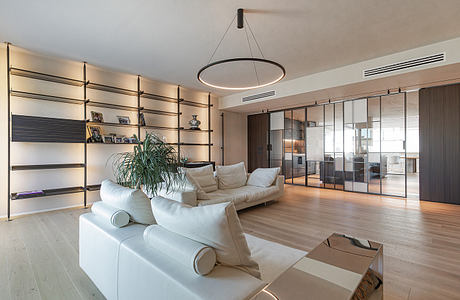
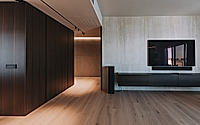
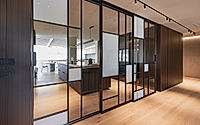
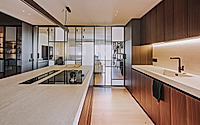
Penthouse Renovation is a penthouse in Chioggia, Italy, redesigned by Architettura Leonardo and completed in 2025. The project turns a recent renovation into a calm, contemporary interior where oak surfaces, dark millwork, glass partitions, and controlled light reshape the apartment without weakening its bond with the lagoon setting. Across the living areas and terrace edge, the palette stays warm, quiet, and precise.
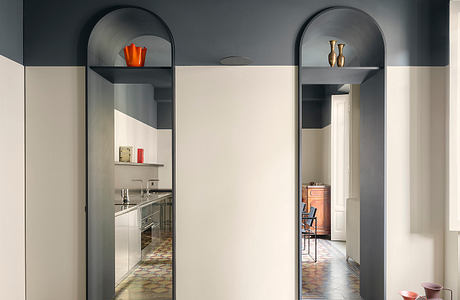
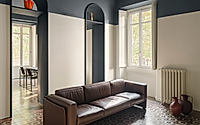
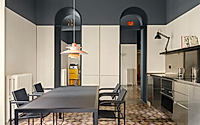
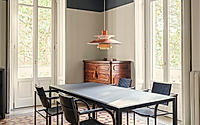
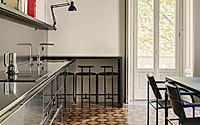
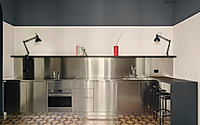
Pomponazzi reworks an apartment in Milan, Italy, by RAAR—Radicioni Architetto, returning order and identity to a home inside an elegant 1930s building. Designed in 2024, the renovation begins with the original cement tile floors, using their 20×20 cm (7.9×7.9 in) module to recalibrate rooms, openings, and color across the interior.