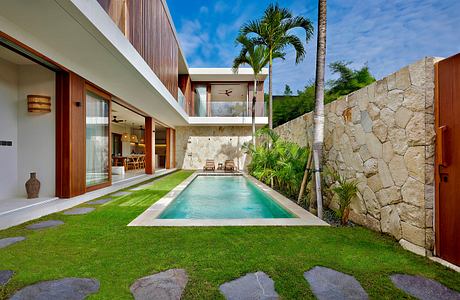
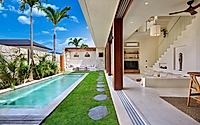
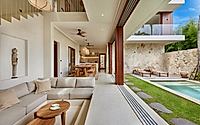
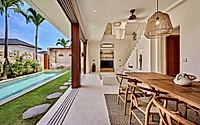
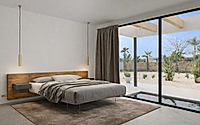
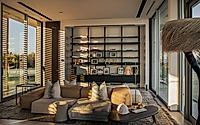
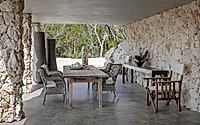
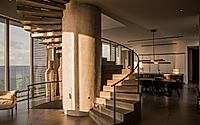
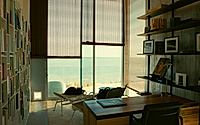
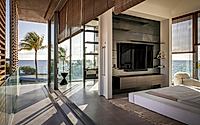
Villa Ivy and Elisa stand in the village of Seseh in Bali, Indonesia, where Riccardo Rubelli draws the house deep into its tropical setting. Two villas share a calm dialogue between masonry, timber, and planted courts, their rooftop terraces tuned to breezes from the nearby beach. Inside, modern volumes and Balinese materials meet in a measured way that keeps the daily rhythm relaxed and quietly precise.
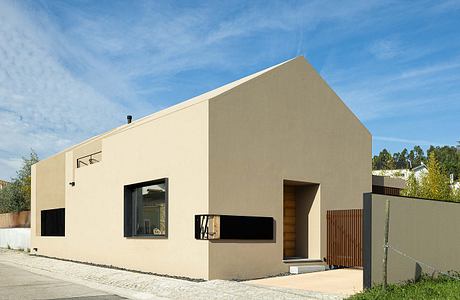
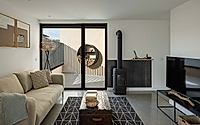
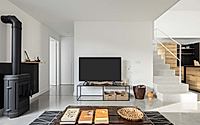
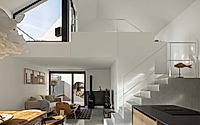
CASINHA DA MELROEIRA stands on a tight plot in Ourém, Portugal, where Filipe Saraiva – Arquitectos rebuilds a familiar ruin as a compact village house. The project follows a pentagonal volume that mirrors its neighboring Casa da Melroeira while carving out intimate outdoor rooms and framed views. Inside, salvaged pieces, handcrafted objects, and technical experiments turn a modest footprint into a layered home grounded in memory and everyday use.
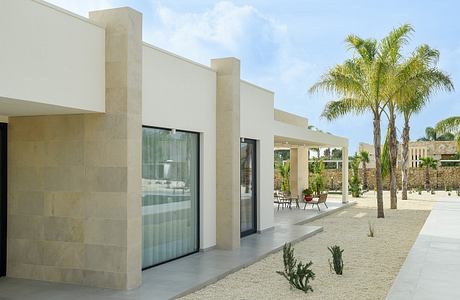
House P02 unfolds as a low, linear house in Avola, Italy, where concrete, stone, and water organize daily life under decisive Mediterranean light. Designed by Paolo Florio, the single-level villa reads as a sequence of orthogonal volumes, deep pergolas, and reflective pools that sit close to the ground. The result is a rigorously composed home that ties structural clarity to the rhythms of outdoor living around its garden and water courts.
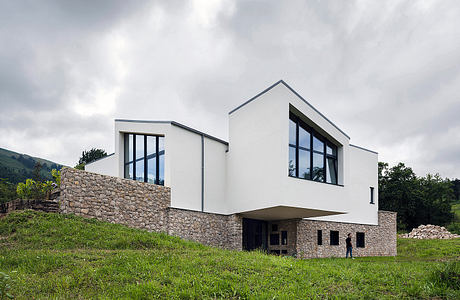
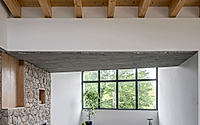
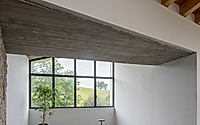
ST House stands on a sloping hillside in Spain, where Roberto Lebrero works with the terrain to frame long views and precise interior rhythms. Conceived as a house for three siblings, the project breaks the domestic brief into distinct volumes that drift across the slope, tying private life, shared rooms, and the surrounding valley into one measured composition.
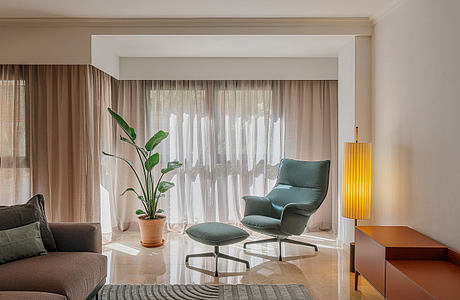
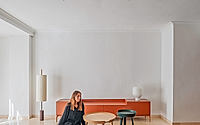
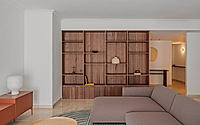
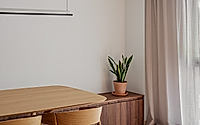
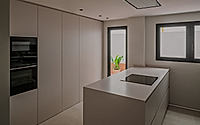
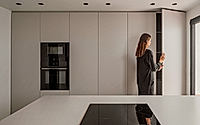
Casa MZ16 reimagines a central Valencia, Spain apartment as a warm, precise interior by Estudio Calma. The studio responds to clients who asked for light, calm and an easy everyday rhythm, using color, furnishings and subtle work rather than heavy construction. Each room reads as a measured composition, yet the home stays relaxed and open to the Mediterranean daylight that pours in from terrace and windows.
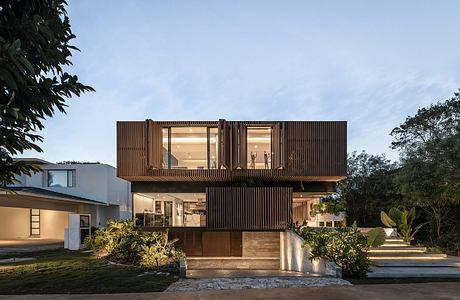
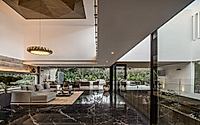
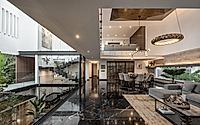
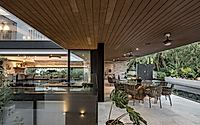
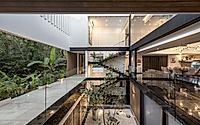
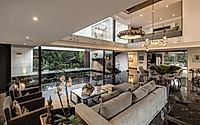
Casa Mulix stands in Mérida, Yucatán, Mexico as a house conceived around air, shade, and layered courtyards. Designed by Arkham Projects, the residence organizes three levels around a central void that pulls light and greenery into daily circulation. Every move or pause moves past vegetation, terraces, and shifting volumes that open for views or close for privacy, giving the home a calm but dynamic rhythm through the day.
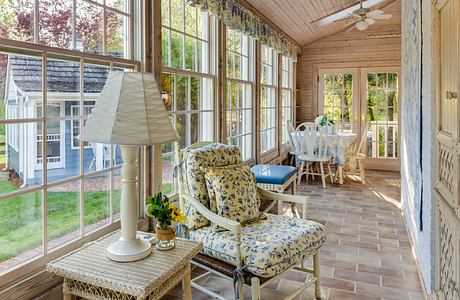
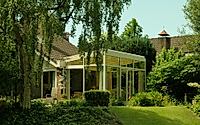
Cold, dark winter days often have a way of making you feel like your energy has gone into hibernation. Fortunately, having a sunroom can chase the winter blues away. Imagine staying in a room where the walls are windows, flooding the space with natural light and offering a front-row seat to a beautiful landscape from the comfort of a cozy armchair. With the right design and the best sunroom builders in Colorado, you can harness the mood-boosting benefits of sunlight and invite the outdoors in without the chill.
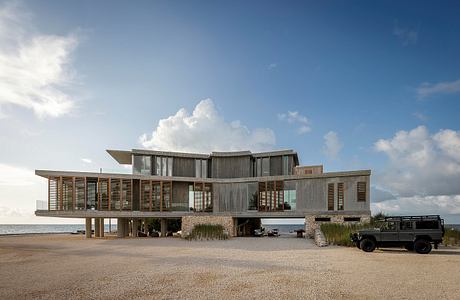
Van der Vlugt Residence stands along the Keys, United States, as a clear expression of coastal resilience by [STRANG] Miami. The elevated house draws from Sarasota School principles to meet sea level rise and storm surge with a calm, modernist posture. Robust concrete, louvers, and passive cooling strategies work in concert, giving this retreat an unhurried presence at the water’s edge while quietly addressing the realities of its exposed setting.