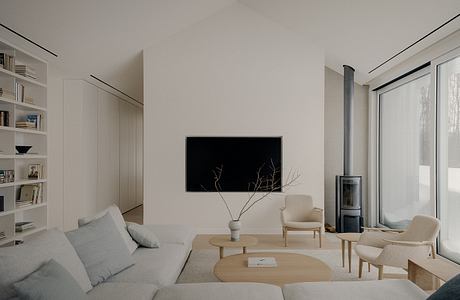
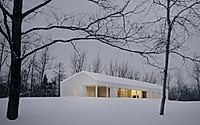
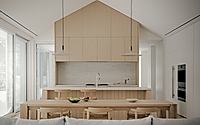
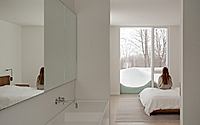
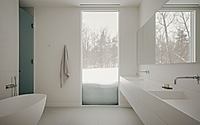
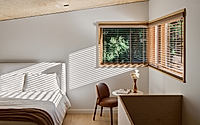
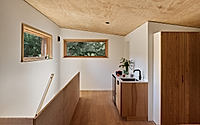
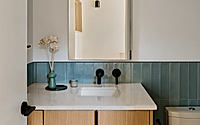
Timbertop House is a house in Canada by Akb Architects, conceived as a contemporary weekend retreat for an active family of five. Designed in 2024, the project draws on the language of local farm buildings while adjusting its gabled form to the site’s uneven terrain and long views across the Niagara Escarpment. Inside, a single-story plan and durable materials support daily use in every season.
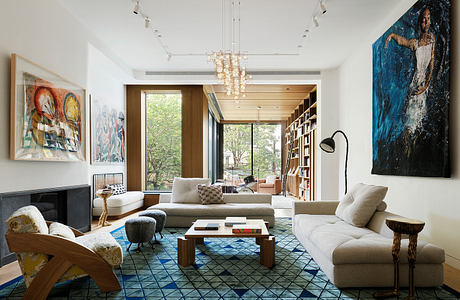
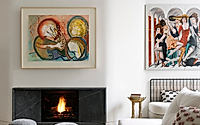
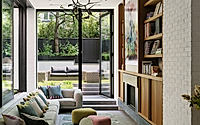
Park Slope Townhouse reworks a 1910 house in Brooklyn, Kings County, NY, United States, with architecture and interiors by Leroy Street Studio. Completed in 2024, the renovation opens a narrow townhouse footprint into a more fluid sequence of rooms, terraces, and double-height moments. Art, built-in shelving, warm wood, and broad garden glazing shape a house that feels more expansive, more vertical, and closely tied to the rear landscape.
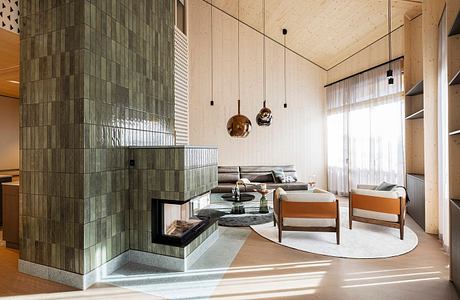
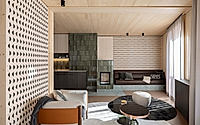
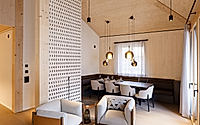
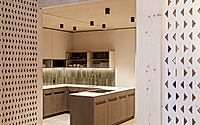
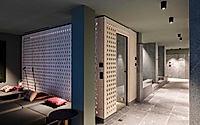
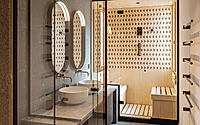
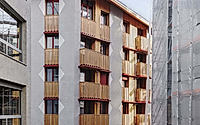
Apartment House AVA sits in the dense heart of Andermatt, Switzerland, where OOS shapes an alpine apartment house tuned to contemporary life. The project gathers high-end timber apartments and shared wellness rooms within a compact volume that nods to its village neighbors. Inside, pale wood, patterned screens, and a ceramic hearth set a calm mood while anchoring residents firmly in the mountain setting.
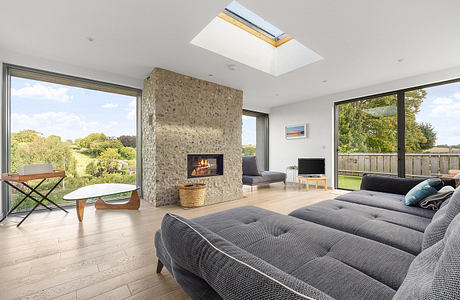
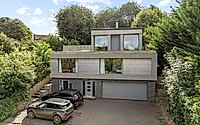
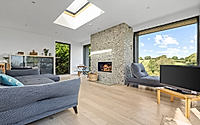
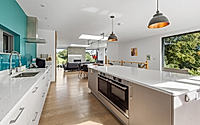
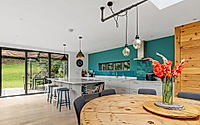
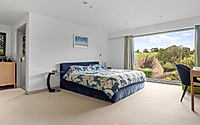
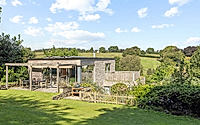
Flintstones is a contemporary house in Winterborne Whitechurch, United Kingdom, by Western Design Architects. Set on a steep former chalk quarry beside listed cottages and a Grade I church, the house negotiates village heritage and modern life in a single gesture. Across three carefully arranged levels, it brings light, openness, and practical family comfort to a sensitive Conservation Area setting.
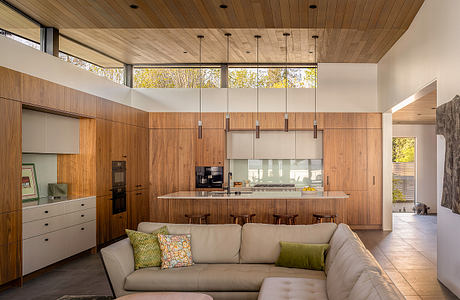
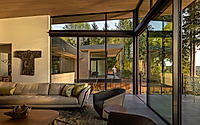
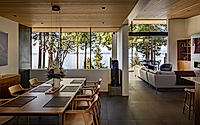
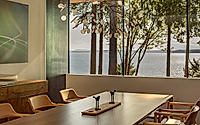
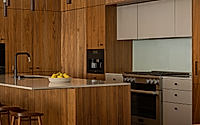
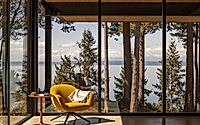
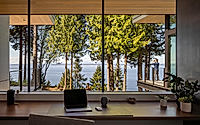
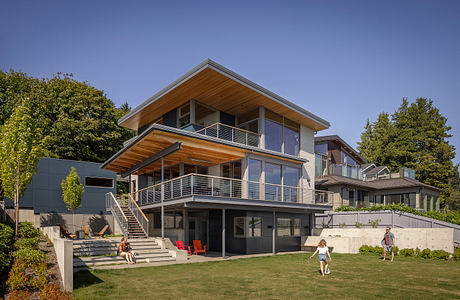
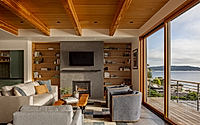
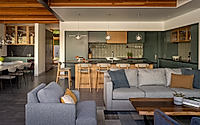
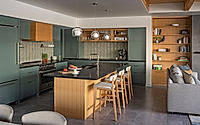
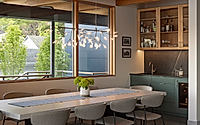
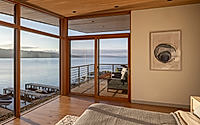
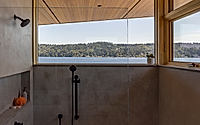
Edmonds Sound House sits above Puget Sound in Edmonds, WA, United States, designed by Studio Zerbey Architecture + Interiors as a custom house oriented to water and trees. The project places primary living on a single main level for long-term accessibility while a smaller lower level steps into the slope. Wide glazing, deep overhangs, and a calm interior palette link daily life to the coastal forest setting and shifting maritime light.
Lake Washington Residence sits between the Burke-Gilman trail and the water in Seattle, WA, United States, by Studio Zerbey Architecture + Interiors. The house stretches across a rare double lot, pairing tall lakeside glazing with layered decks and a green-roofed volume that answer both the shoreline setting and the region’s gray, wet seasons. Inside, a warm modern character frames everyday family life against the changing light on the lake.
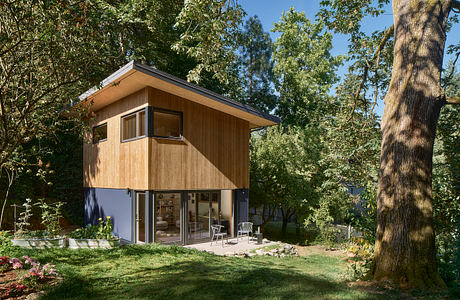
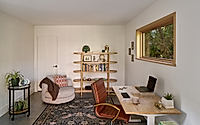
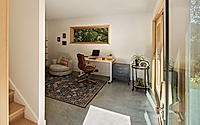
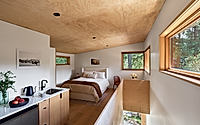
Lake Forest Park DADU sits in the wooded backyard of a Lake Forest Park, WA, United States home, designed by Studio Zerbey Architecture + Interiors. The compact house serves as a detached guest cottage, workspace, and party annex, balancing a dark, durable exterior with a light interior. Everyday life and occasional visits share the same clear, calm rooms, giving the family a versatile outbuilding that stays closely tied to its garden setting.
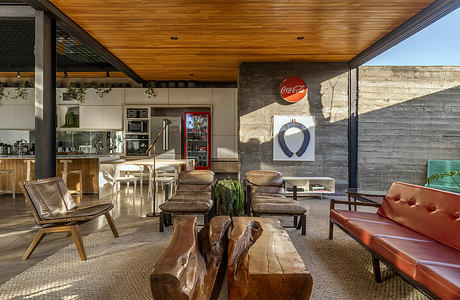
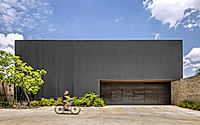
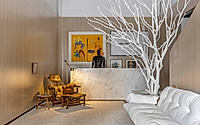
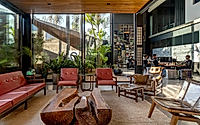
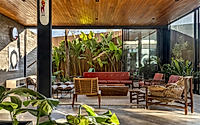
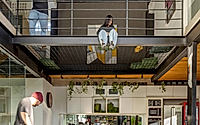
Architectural Warehouse Studio anchors an industrial stretch of Goiânia, Brazil, as the new home for Studio Andre Lenza. The warehouse conversion reshapes an existing structure into a contemporary corporate workspace that still speaks the language of its neighbors. Inside, the office leans into generous height, daylight, and art to frame daily practice in a setting that feels both robust and refined.