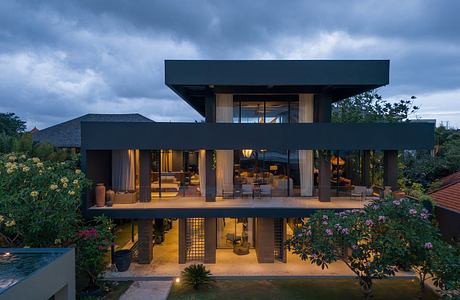
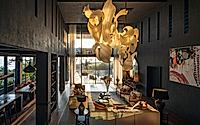
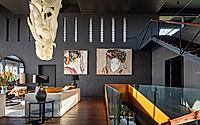
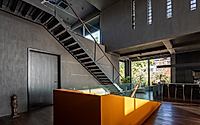
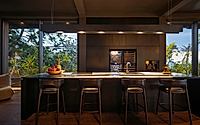
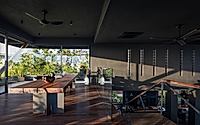
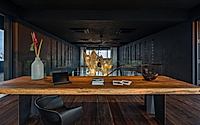
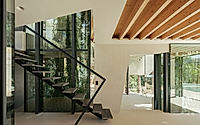
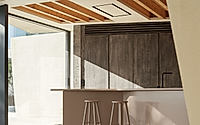
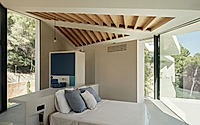
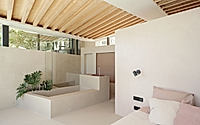
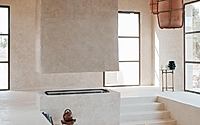
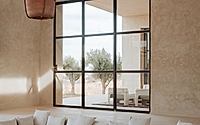
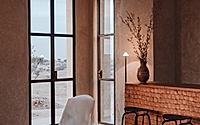
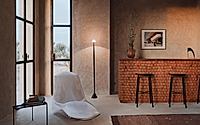
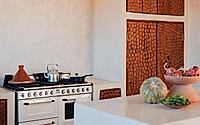
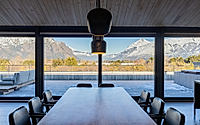
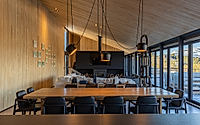
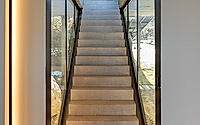
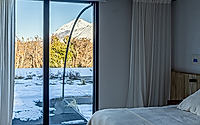
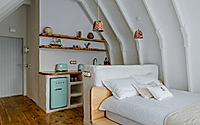
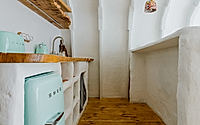
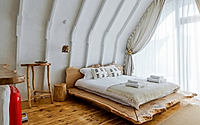
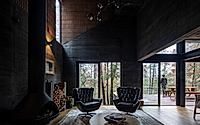
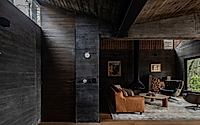
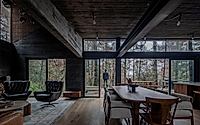
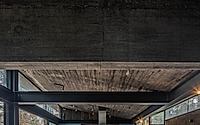
Ocean River House sits on a river estuary in Bali, Indonesia, where the Indian Ocean pulls the eye and the breeze. Designed by Rado Iliev as a house that renews rather than replaces, it keeps the original structure while stretching upward and outward to claim stronger light and longer views. The result favors a modern stance without losing local gravity.
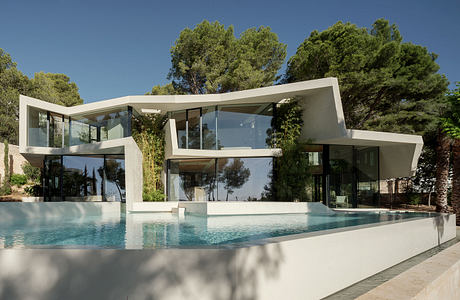
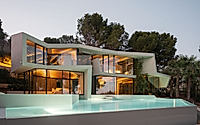
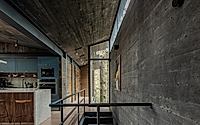
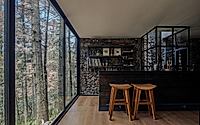
Can Tudó sits on a steep hillside above Paguera Bay in Palma, Spain, by Caballero+Colon. The house reads as a single folded plane that turns into roof, wall, and floor, with frameless glass and plant-filled fissures softening the edge between pine grove and interior. It’s a residence built from a tight set of rules and a taste for play, bringing island light deep into daily life.
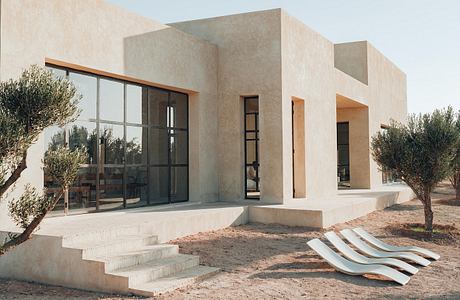
DDAR stands on a 10-hectare hillside just outside Essaouira, Morocco, by Othmane Bengebara Studio. The project reads as a contemporary douar—rooted in local climate, craft, and community—yet tuned for present-day life. Designed in 2024 in collaboration with the owners and regional makers, this house embraces vernacular intelligence and bioclimatic thinking, from wind-calibrated openings to robust water management. It’s a home built by many hands, and for many conversations.
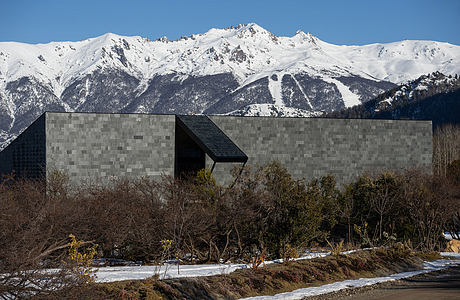
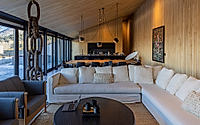
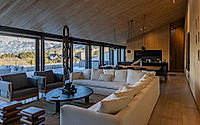
UAN House lands in San Carlos de Bariloche, Argentina, where Alric Galindez Arq places an upside-down plan on a gentle, brushy slope. The house sets living areas above and sleeping rooms below to catch lake views of Ventana and Catedral hills while preserving the low vegetation. It reads as two clear volumes: a residence and a lifted garden that leaves the original ground intact.
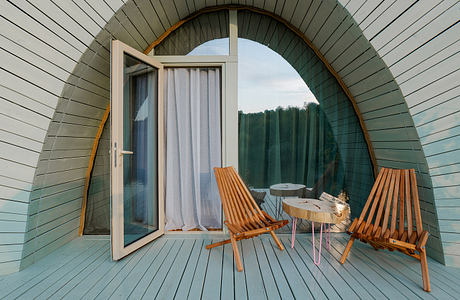
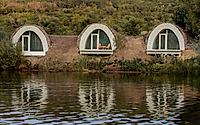
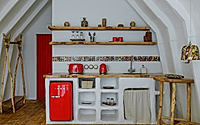
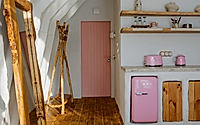
Moldova’s Hobbit Houses settles into a lakeside wake park near Pănăseşti, Moldova, where three earth-sheltered cabins read as shaped mounds in the grass. Designed by LH47 ARCH, the hotel turns unused shoreline into a quiet retreat that faces the water and hides its mass in the land. Inside, local craft and timber work carry the idea forward without fuss.
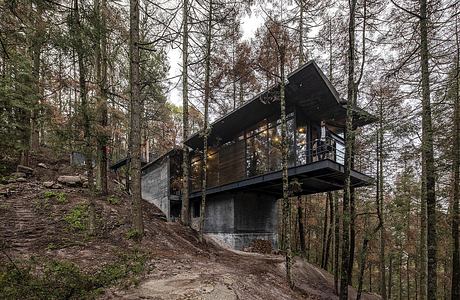
Casa Oruç sits in Mineral del Monte, Mexico, where mist, pines, and a severe grade shape daily rhythms. Saavedra Arquitectos steers a house through this wooded slope with an approach that starts high and threads down to living. It’s a house, yes, but also a route through trees and rock, built for hosts who love company and quiet in equal measure.
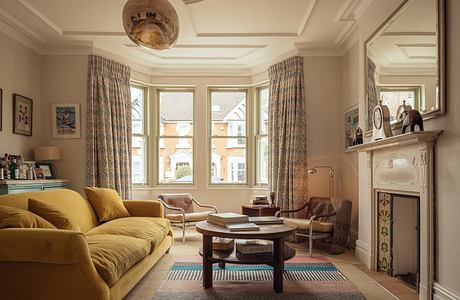
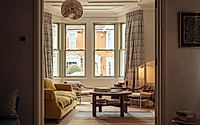
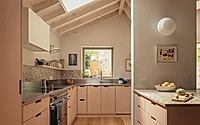
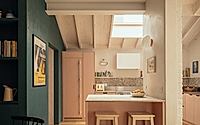
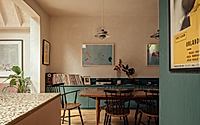
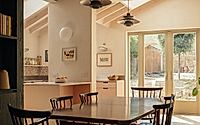
Twin Pitches transforms a once tired Edwardian house in London, United Kingdom, into a bright, energy-efficient family home. Designed by Atelier Baulier, the retrofit and extension replan daily life across a four-bedroom house with purpose and warmth. This is a house project, commissioned by a family of four, that threads low-impact construction through everyday routines without losing character.
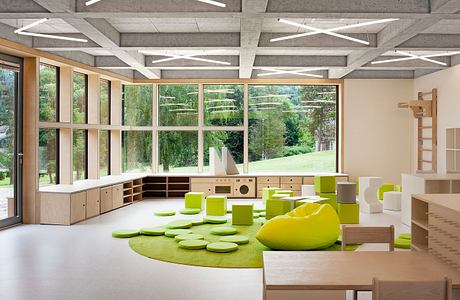
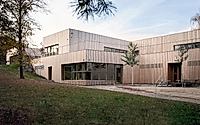
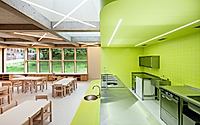
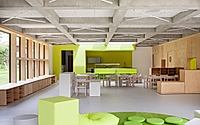
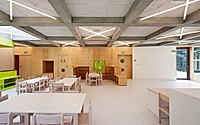
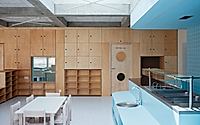
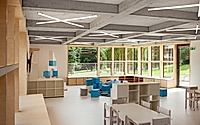
Fulnek Kindergarten sits in the northern reach of its garden site in Fulnek, Czech Republic, designed by XTOPIX architekt as a compact, low-slung school. The building orients its life to the south, where courtyards cut into the slope and open classrooms to views of the château across town. Calm materials, a legible plan, and child-scaled thresholds shape a daily rhythm of arriving, playing, and gathering.