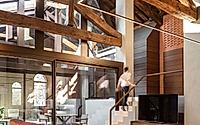
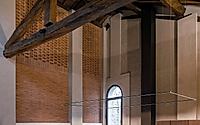
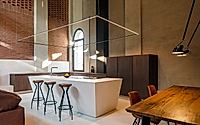
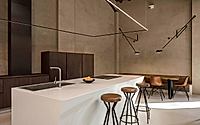
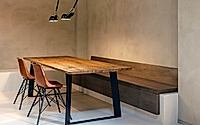
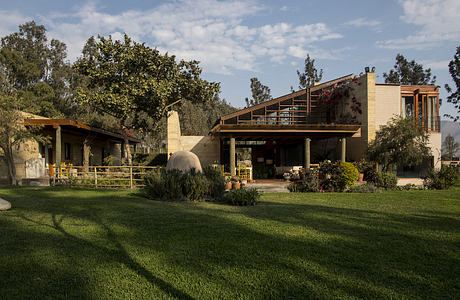
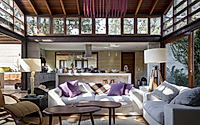
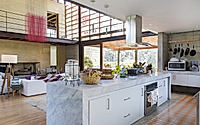
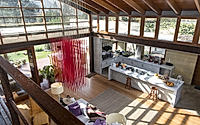
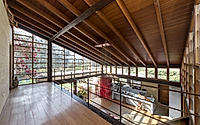
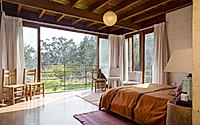
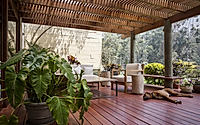
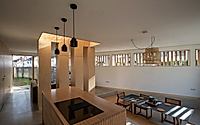
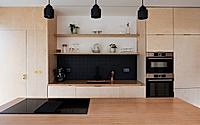
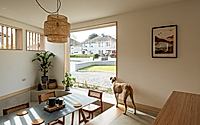
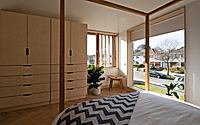
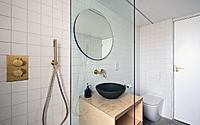
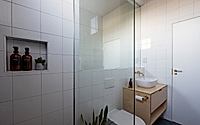
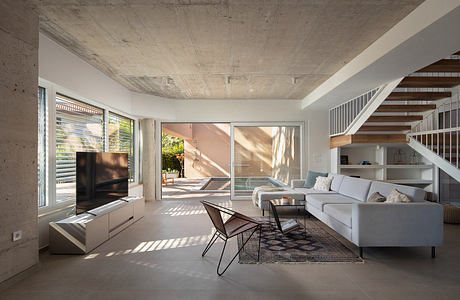
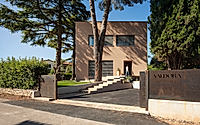
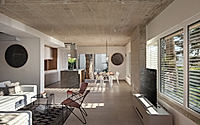
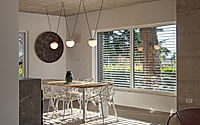
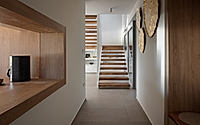
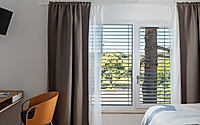
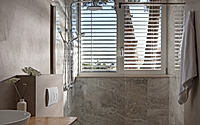
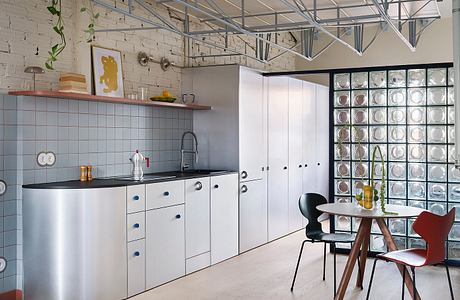
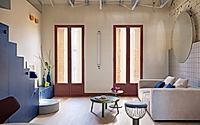
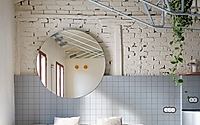
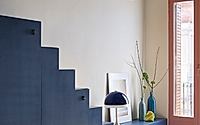
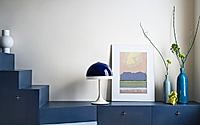
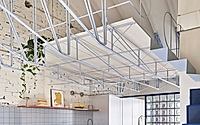
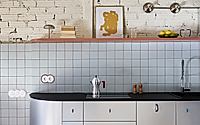
In the midst of Madrid, resides Casa Cometa, a shining example of imaginative design curated by Bardo Arquitectura. Built in 2024, this apartment overhaul tackles a distinctive obstacle—an almost caving-in roof. To remedy this issue, the architects suggested the addition of a second level, effectively birthing a new inhabitable area while bolstering structural support.
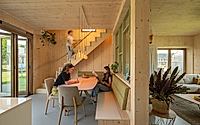
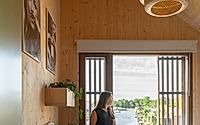
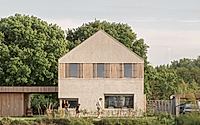
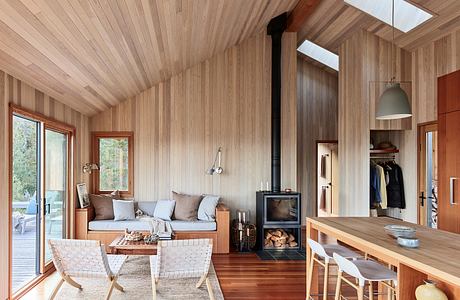
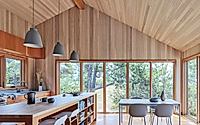
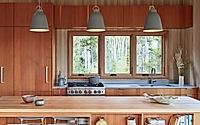
Located in Waalwijk, Netherlands, the Houten Huis is a family house designed in 2024 by studio] [space architecten. The architecture makes use of robust wooden walls, floors, and roof panels, showcasing cross-laminated timber’s sustainability and aesthetic appeal. Combining a compact footprint with smart solutions, the home balances functionality and beauty while promoting an eco-friendly lifestyle, with the cemented outer facade complementing its iconic form beside a body of water.
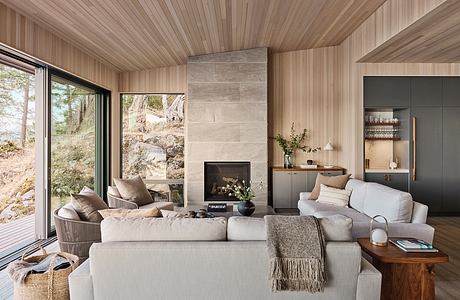
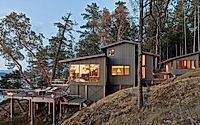
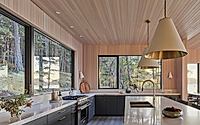
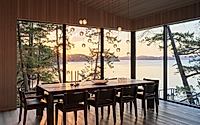
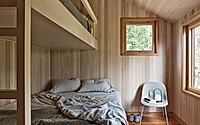
Rock Bluff House is a seasonal residence nestled into the forest of Qathet, BC, Canada. Designed by Laura Killam Architecture, it caters for a family of four and includes two independent structures connected by a shared arrival deck. The house steps down the site with twelve partial levels, framing views of the natural setting and Desolation Sound. Interiors feature full height glazing, dark grey-stained cedar boards, and an outdoor shower wrapped around an arbutus tree.
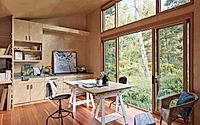
Located on a remote Northern Gulf island on the BC coast, Home for an Artist combines a house and painting studio designed by Laura Killam Architecture. The 650-square-foot (60-square-metre) house has an exterior clad in cedar boards and a roof of silvered cedar shingles. Designed for a multi-generational family, it features full-height glazing to connect its internal spaces to nature, offering sun exposure and views over surrounding meadows and wetlands.
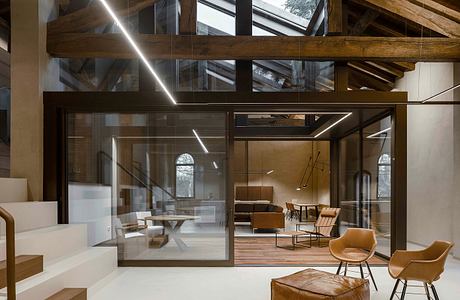
The Fienile Cocchi residential project converted a barn that has a history dating back several centuries. Located in Reggio Emilia, Italy, the house was designed by SBAR – Salonia Baldin Architettura. The team restores a historic 300 sqm (3,229 sq ft) barn while introducing a contemporary glazed volume, allowing natural light to fill the spaces. While Joao Martins created the interior design, the project was completed in 2024.
House GS, a house located in Cieneguilla, Peru, was completed in 2014 by designer Vicca Verde. The design takes as a reference the typical rammed earth walls of the region: it follows the same construction process but reinterprets it in a contemporary way, using concrete tinted in earth tones. The concrete work is complemented by metal structures that allow for large spans and create the wide sloped roof, with few support points, over the main loft unit.
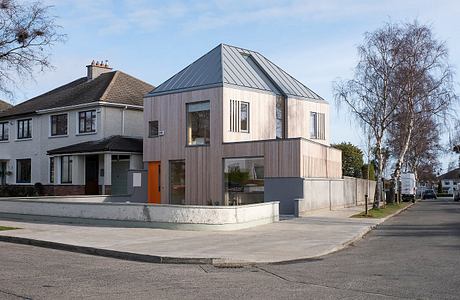
DUA has designed Foxes Grove, a house with a timber frame structure in Ireland. Constructed from Siberian larch cladding, Foxes Grove utilises the material to wrap the exterior and filter southern light into the interior. The ground floor showcases a raw concrete floor that drops down, while the upper two bedrooms are separated via an eaves roof light window and triple height space lined with plywood.
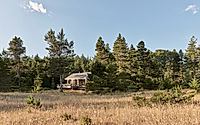
The House Under the Pines is a house designed by Konzola Arhitektura in 2024. The architectural complex consists of two structures integrated into the typology of a neighborhood predominantly composed of family homes with tourist rentals on the western coast of Istria, Croatia.
The design features a recognizable single-pitched roof and smooth façades with a horizontal strip of glazing, set within two functional units respecting the existing greenery of the site.
![Houten Huis by studio] [space architecten](https://i.homeadore.com/wp-content/uploads/2025/06/001-houten-huis-by-studio-space-architecten-460x300.jpg)