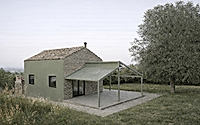
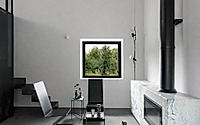
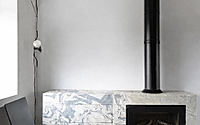
Borghetto Sant’Angelo reworks a house in Soriano nel Cimino, Italy, by MGK | Studio. Set within a mid-20th-century rural complex, it turns old farm buildings into independent living spaces tied closely to the countryside. Peperino stone, dusty-green plaster, and iron give the conversion a calm, grounded presence.
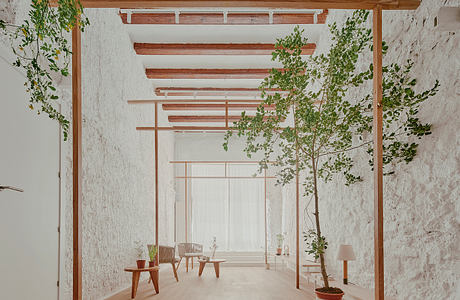
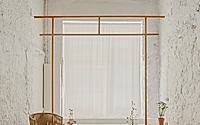
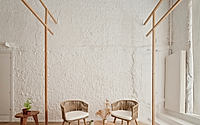
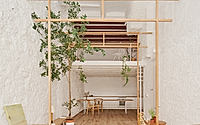
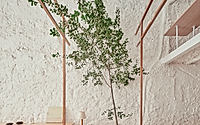
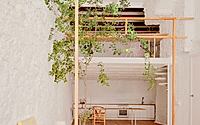
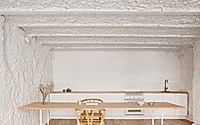
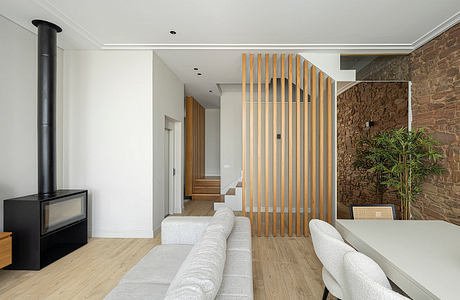
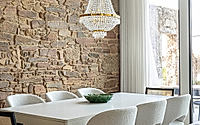
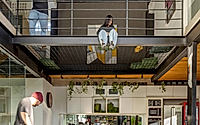
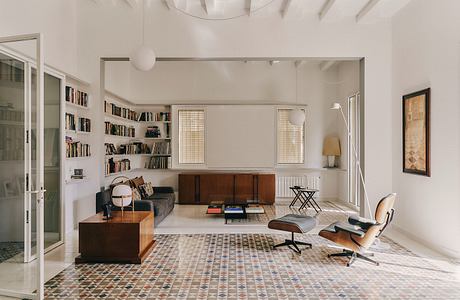
El Born Loft transforms a former commercial interior in Barcelona, Spain, into a residence by Roman Izquierdo Bouldstridge. Designed in 2026, the loft centers on the idea of void, using a reused ash wood system, exposed masonry, and a nearly five-meter-high interior to shape movement, light, and flexible daily use. Old structure and new domestic life remain in clear, measured balance.
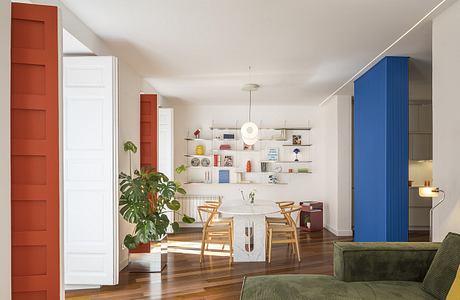
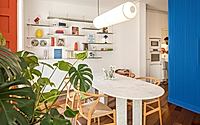
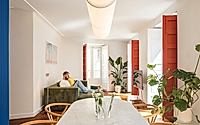
Casa EME is an apartment renovation in Madrid, Spain, by Gon Architects. Designed in 2025, the project reworks a 108 m² apartment in the city’s historic core by preserving its existing wood floor and resetting the plan around daily life. Rooms are reassigned rather than erased, giving the home a clearer order while keeping its material memory in place.
Casa do Parque IV transforms an aging house in Santo Tirso, Portugal into a lived-in home with renewed purpose by Ricardo Azevedo Arquitecto. The project turns a once fragile structure into a central, memory-rich residence that answers a client’s wish for modern clarity without abandoning the past. Within this urban setting, the architect navigates heritage, cost, and comfort to deliver a home that feels both singular and quietly assured.
Architectural Warehouse Studio anchors an industrial stretch of Goiânia, Brazil, as the new home for Studio Andre Lenza. The warehouse conversion reshapes an existing structure into a contemporary corporate workspace that still speaks the language of its neighbors. Inside, the office leans into generous height, daylight, and art to frame daily practice in a setting that feels both robust and refined.
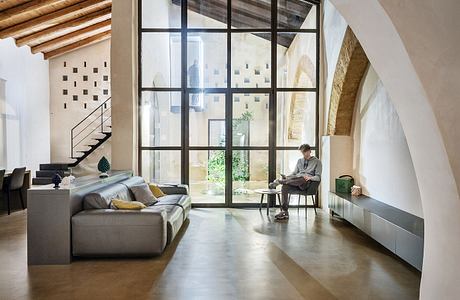
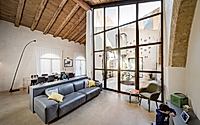
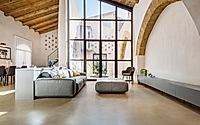
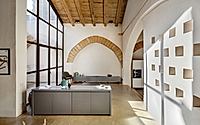
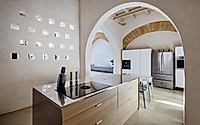
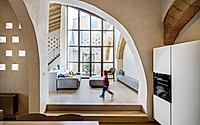
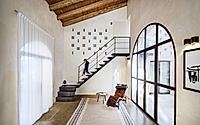
Casa SC stands in Menfi, Italy, where Vid’A reworks a late 19th-century barn into a contemporary house without erasing its agricultural past. Thick walls, low arches, and a perforated brick screen now frame domestic life while holding onto the traces of work and storage that once filled the volume. The project reads as a careful recovery of character rather than a cosmetic update.
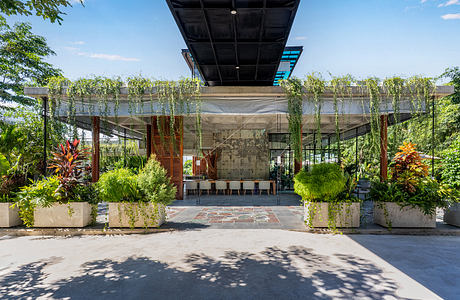
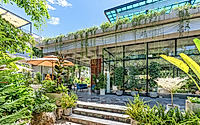
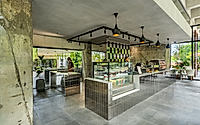
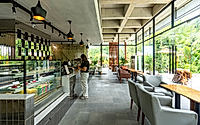
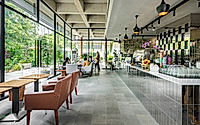
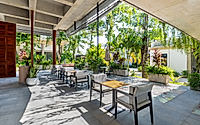
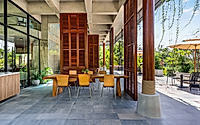
Phum Sambo Café & Eatery sits in Phnom Penh, Cambodia, as a restaurant renovation by Khoan + Partners that respects an existing concrete frame. The project turns an abandoned structural shell into a calm, climate-aware destination where wood, greenery, and open-air volumes reshape a once utilitarian grid. Guests read the building’s past while stepping into a gentler present, grounded in local light and tropical air.
Villa Parque recasts a late-19th-century house in Barcelona, Spain as a contemporary family home by h3o architects. The renovation treats the detached house as a place to reconnect with neighborhood roots while opening it to light, garden, and shared daily life. Across two primary levels and a deep rear garden, the project balances generous proportions with an intimate, enveloping atmosphere tailored to a couple beginning a new chapter.