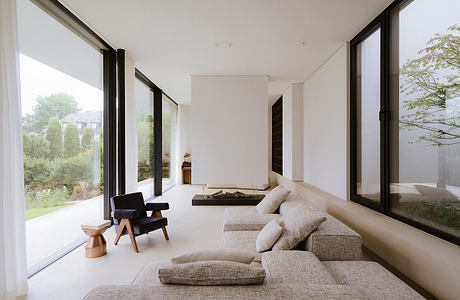
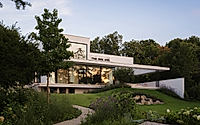
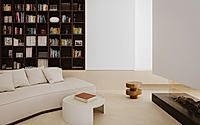
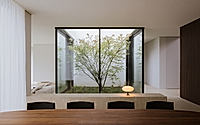
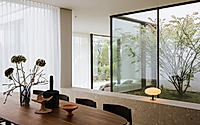
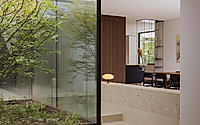
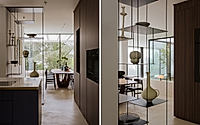
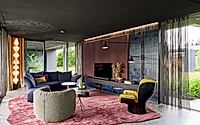
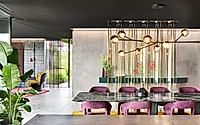
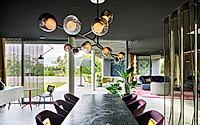
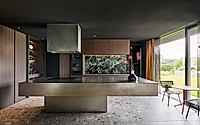
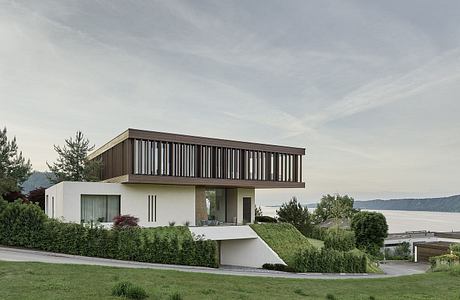
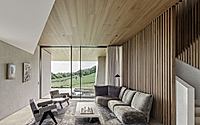
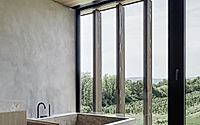
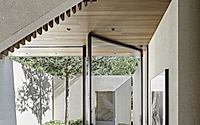
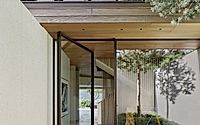
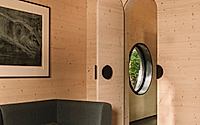
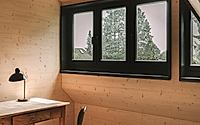
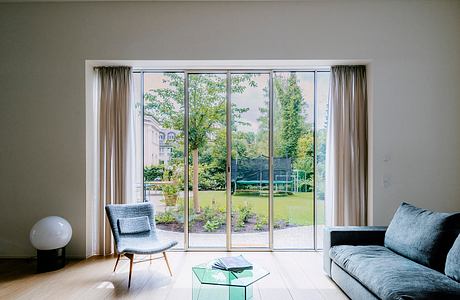
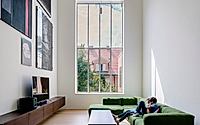
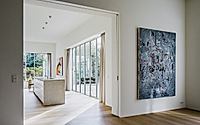
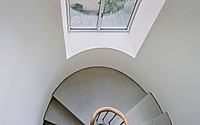
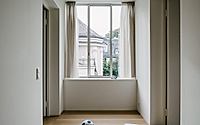
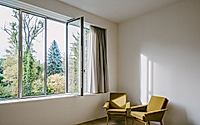
Ayoughi House unfolds in a park-like garden in Frankfurt am Main, Germany, where Philipp Architekten BDA choreographs architecture, interiors, and landscape as one coherent whole. This house for an architect and her family grows from its historic park setting, threading living rooms, a planted atrium, and generous garden terraces into a calm yet animated rhythm. Across its rooms, everyday routines meet clear structure, and the result feels measured rather than grand.
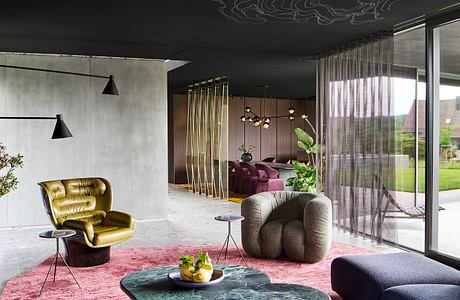
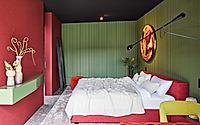
Counterpoint House places a retired entrepreneur’s new chapter in a contemporary house in Germany, where Ippolito Fleitz Group – Identity Architects choreographs the interiors. Working within Thomas Fabrinsky Architekten’s low-slung bungalow, the studio leans into bold colour, precise material combinations and crafted detailing to support daily rituals and long views. The result is a residence tuned to both introspection and sociable gatherings, with landscape, pool and interior volumes held in deliberate tension.
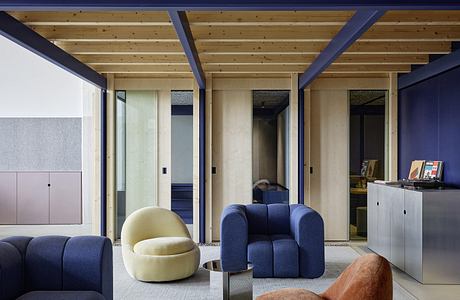
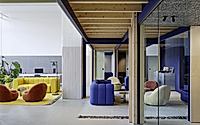
Relaxound is a vivid new office in Berlin, Germany, by Bruzkus Greenberg that treats work as a mix of social exchange and concentrated focus. The project reshapes a double-height volume with intimate rooms and a fresh mezzanine, giving the company a physical home that reinforces its relaxed brand and shared culture. Color, light, and acoustic control shape how people move, gather, and withdraw over the course of the day.
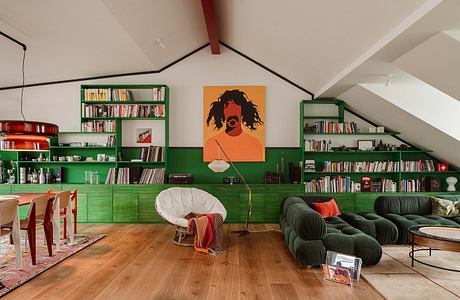
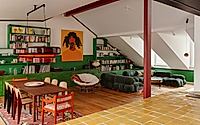
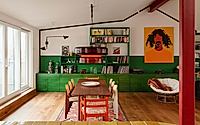
Chroma Penthouse unfolds across the roofline of a Kreuzberg residential building in Berlin, Germany, where Studio Bosko crafts a home around unapologetic color. The penthouse interior translates a young couple’s wish for “as little white as possible” into a vivid, primary-hued environment that assigns each room its own chromatic identity. Bright yet precise, the project turns an open plan into a richly legible home for living, working, and gathering.
Villa Kronbuhl stands on the shore of Lake Constance in Germany, where Oppenheim Architecture shapes a house around far-reaching views and daily rituals. The 3,700-square-foot home pivots level by level to catch mountains, forest, and water, giving an international family a flexible retreat that shifts between quiet living and generous gathering. Inside and out, each turn of the plan pulls life back toward the landscape.
Greenkamp sits in Berlin, Germany, on one of the last open parcels within the historic Eichkamp estate. Designed by Atelier ST, the house answers a village-like context of trees, schools, and small homes with a compact form and precise material contrasts. It’s a family house with a quiet stance, tuned to the rhythms of the Grunewald and the legacy of early twentieth-century planning.
Private House in Munich stands in the Bogenhausen district of Munich, Germany, where a corner plot meets a small square. Studio Mark Randel arranges three cuboid volumes to engage the street and fold back toward a private garden, making a house that reads quiet from the outside and generous within. It’s a residence tuned to its crossroads setting, aligned to neighbors yet oriented to daylight and calm.
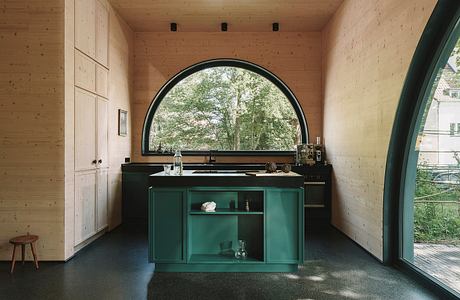
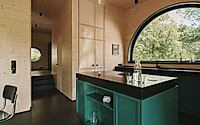
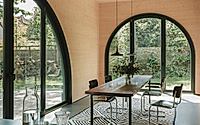
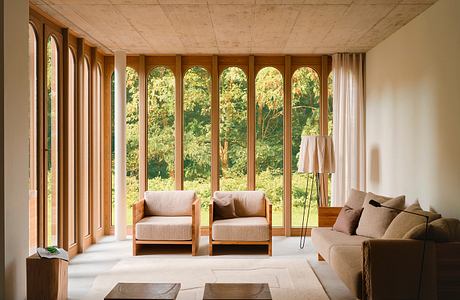
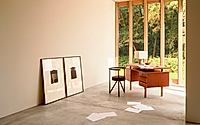
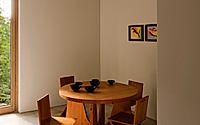
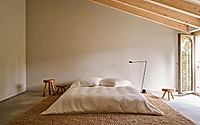
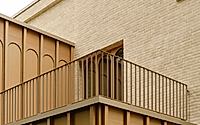
Sankt Göres places two new townhouses in Düsseldorf, Germany, by Nidus with a measured hand and a calm voice. The house typology reads through arched oak windows, pale brick, and a monolithic posture that nods to local tradition without nostalgia. Inside, rooms move from lively to hushed, drawing on Japanese restraint and German craft to set a grounded rhythm for everyday living.