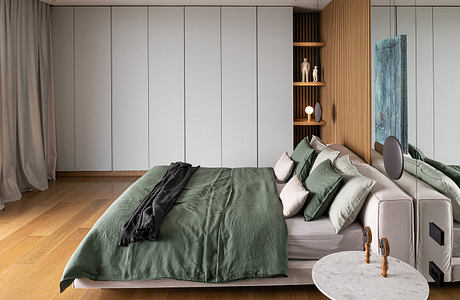
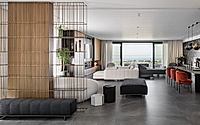
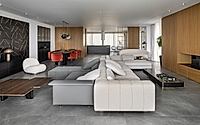
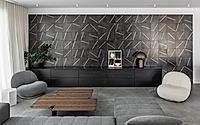
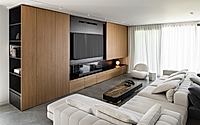
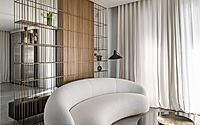
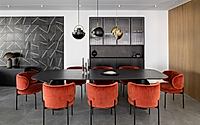
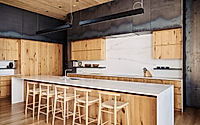
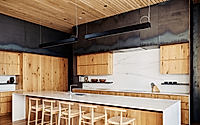
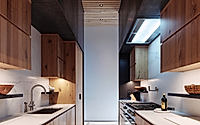
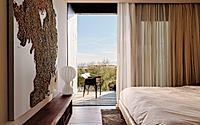
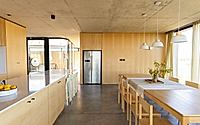
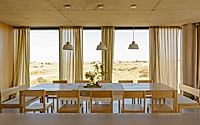
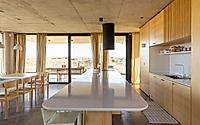
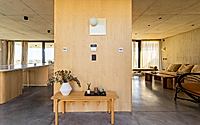
Suburban Villa anchors an elevated plot in Thessaloniki, Greece, where Matheas Architecture reworks an unfinished suburban house into a refined, contemporary residence. The project threads minimalism with understated luxury, opening everyday life to long city views while reorganizing domestic routines around an open-plan core, dedicated leisure level, and revitalized pool terrace that respond directly to the owners’ way of living.
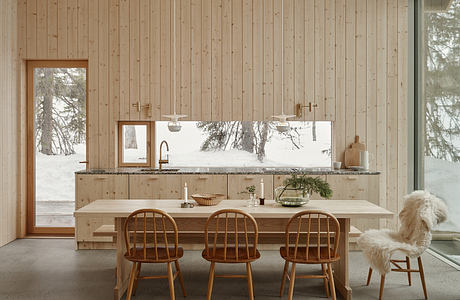
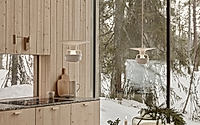
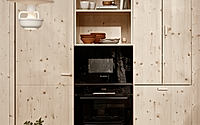
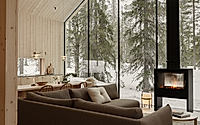
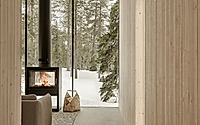
Villa Housu anchors a private holiday house in Tunturi-Lappi, Lapland, Finland, where the Arctic light stretches long across spruce-clad hills. Designed by Fyra in close collaboration with architect Otso Virtanen of Ark Helsinki, the retreat balances an active outdoor routine with calm, pared-back interiors. Finnish spruce, soft minimalism, and concealed storage come together to support a family that moves between ski trails, sauna heat, and slow evenings by the living room windows.
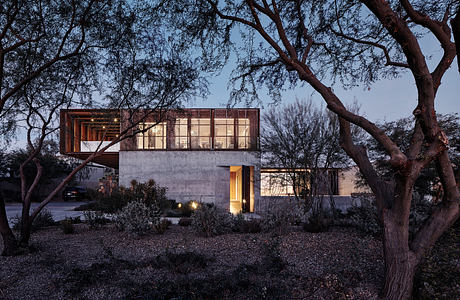
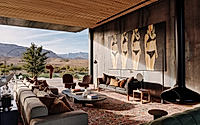
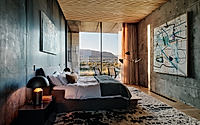
Red Rock sits on a Las Vegas, NV, United States parcel that looks east to the Strip and west to Red Rock Canyon. Faulkner Architects shapes this 2024 house as a low, earthbound composition that leans into the harsh desert climate rather than resisting it. Concrete, water, and shaded courts work together so daily life tracks the shifting light, wind, and temperature through the day and across the seasons.
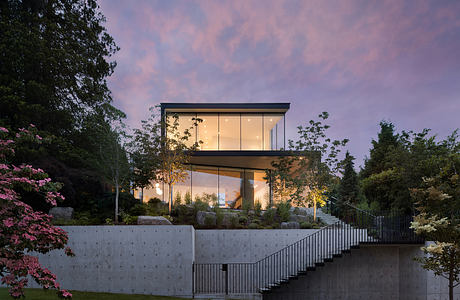
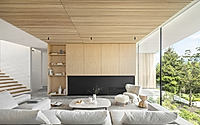
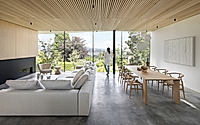
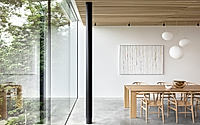
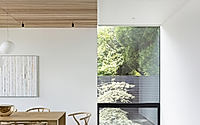
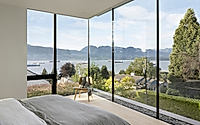
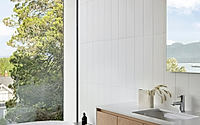
Yield House rises above Vancouver, Canada, as a house conceived for extended family gatherings by Splyce Design. Set on an east–west lot in the city’s westside, the project balances privacy from the sidewalk with long views to mountains, ocean and skyline. Guests move through a measured sequence of walls, stairs and framed outlooks, arriving in a calm interior where social rooms, tucked service zones and quiet retreats stay connected yet distinct.
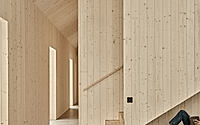
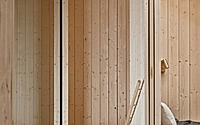
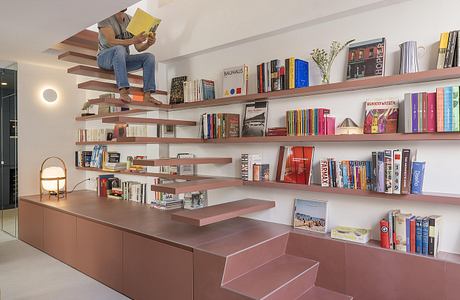
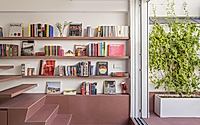
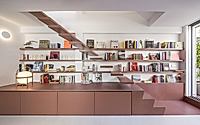
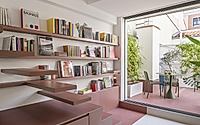
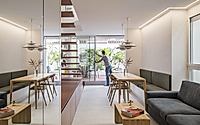
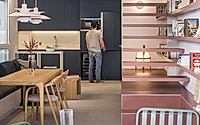
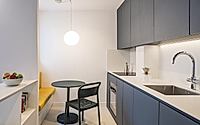
Casa Binôme unfolds as an 80 m² attic house in Madrid, Spain, reworked by Gon Architects into a precise duplex centered on a reimagined stair. Within a narrow plan and a protected urban setting, the project turns circulation, storage, and everyday rituals into one continuous sequence that extends from kitchen to terrace. The result is a home that supports both sociable evenings and introspective days with equal care.
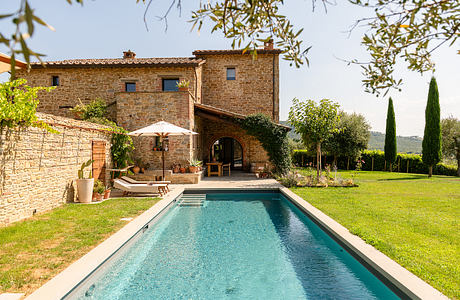
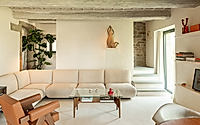
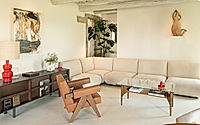
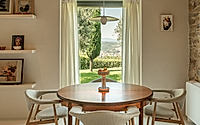
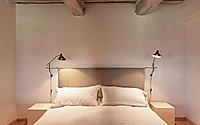
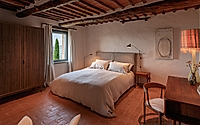
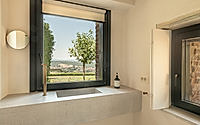
Larco sits on the soft green hills above Piegaro, Italy, reworked by Special Italy – Special Umbria as a compact yet open country house. The two-bedroom retreat keeps the bones of a 16th century farmhouse while leaning into 21st century comfort, from heated pool to covered terrace. Guests move between cotto floors, resin surfaces and wide garden views that anchor daily life in the Umbrian landscape.
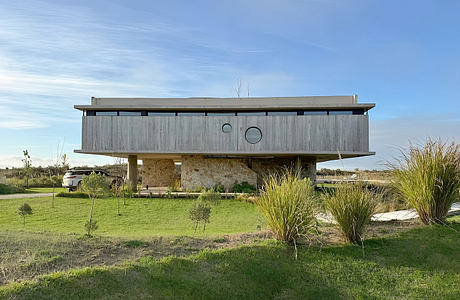
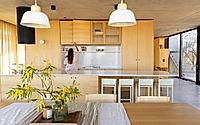
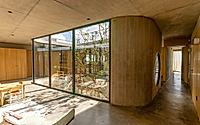
Casa Salvaje stands in El Salvaje, Chacras Marítimas, Argentina, as a vacation house where Sol Galliano draws family life into direct contact with sea air and rural quiet. Conceived for large gatherings, the concrete and stone structure pivots around a central courtyard and rooftop terrace, guiding movement through light, water, and planted ground. Large and small moments of encounter shape how the family shares time across seasons.
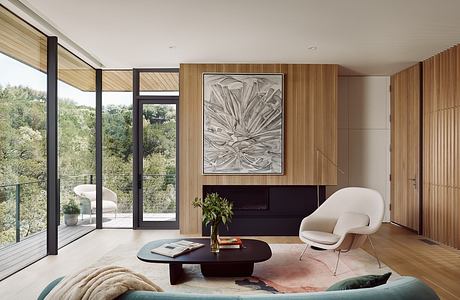
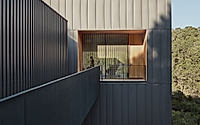
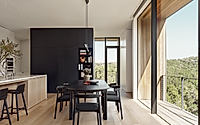
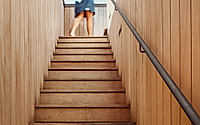
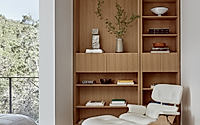
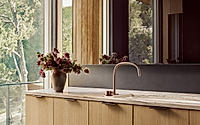
Falcon Ledge Residence sits at the edge of a neglected ravine in Austin, United States, by Alterstudio Architecture. The compact house rises above the tree canopy while staying closely tied to the ground, turning a steeply falling lot once dismissed as unbuildable into a quiet perch. In this vertical home, daily life unfolds against layered views of foliage, suburban roofs, and sky.