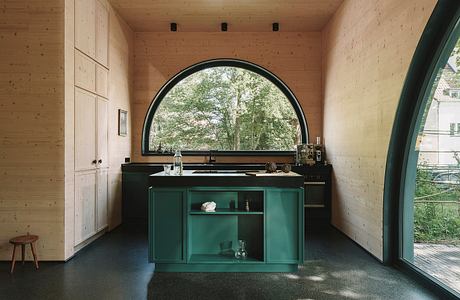
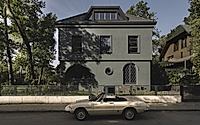
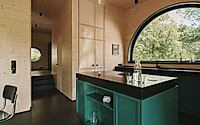
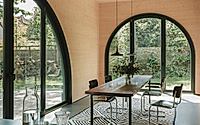
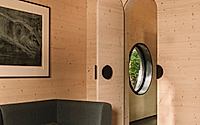
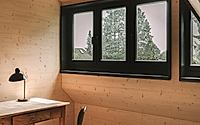
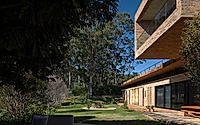
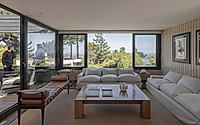
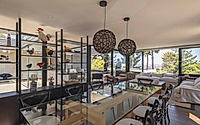
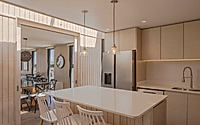
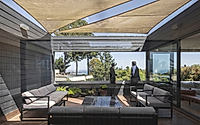
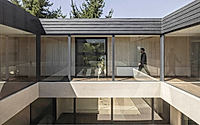
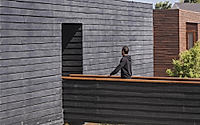
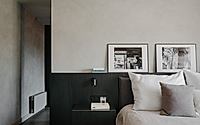
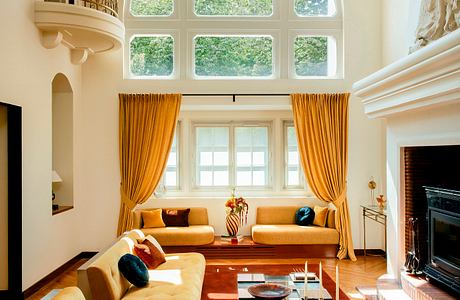
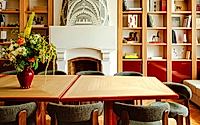
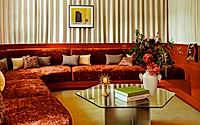
Greenkamp sits in Berlin, Germany, on one of the last open parcels within the historic Eichkamp estate. Designed by Atelier ST, the house answers a village-like context of trees, schools, and small homes with a compact form and precise material contrasts. It’s a family house with a quiet stance, tuned to the rhythms of the Grunewald and the legacy of early twentieth-century planning.
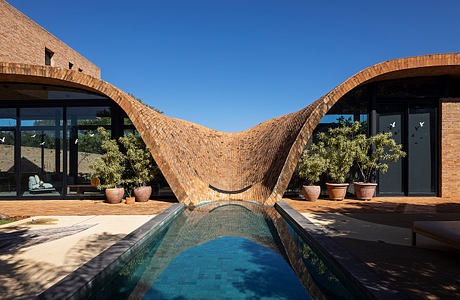
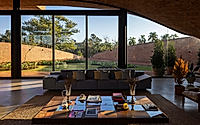
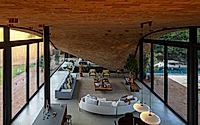
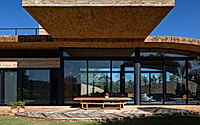
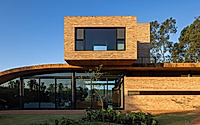
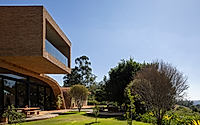
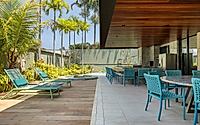
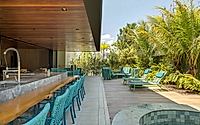
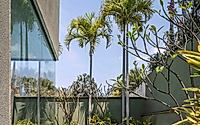
House lands in São Paulo, Brazil as a ground-up residence by Mareines Arquitetura, cast for autonomy and calm within a reforested plot. The house leans on passive strategies and a cloister-like garden to organize daily life and cool the rooms without machines. It’s a house project aimed at simplicity and connection to the land, with an expressive brick roof that gathers water and generous eaves that temper heat.
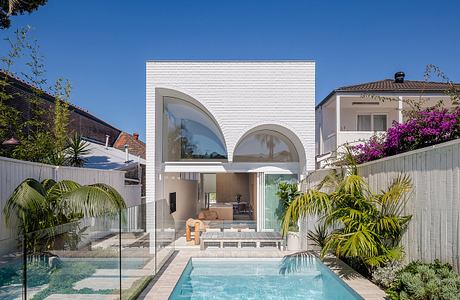
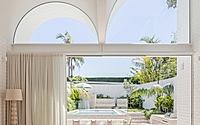
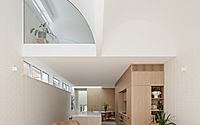
Moon House lands in Waverley, New Zealand, as a house by James Garvan Architecture that folds sculptural curves into a clear urban presence. The project starts from a social brief and grows into a confident composition of zinc-clad forms and brick massing. Inside, the rooms carry easy movement from entry to garden while the geometries set the tone for daily life and gatherings.
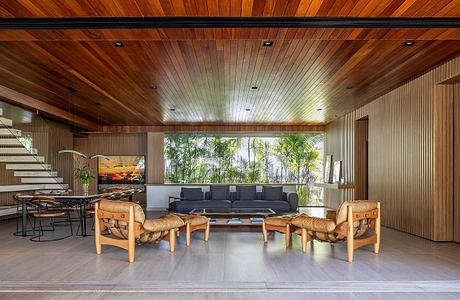
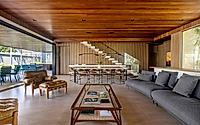
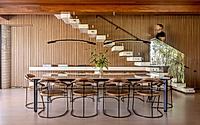
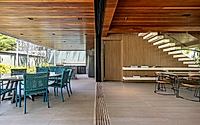
Acapu House sits in Goiânia as a house by Studio Andre Lenza, drawn from the site’s four-meter fall. The project arranges daily life across three volumes that step with the terrain. Built for a couple at the start of family life, the home privileges open gathering, sunlight, and a direct line between living areas and the water.
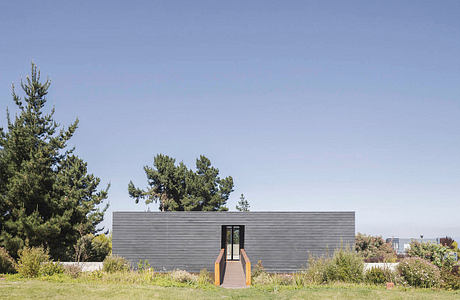
Claustro House anchors a hill town in Zapallar, Chile, with a clear, almost classical idea reworked for family life. Espiral Arquitectos centers the house on a cloistered courtyard, drawing movement inwards and light from above, while a two-level plan separates social rhythms from retreat. A private exterior and a porous core create a deliberate contrast that suits the coastal setting and a multigenerational routine.
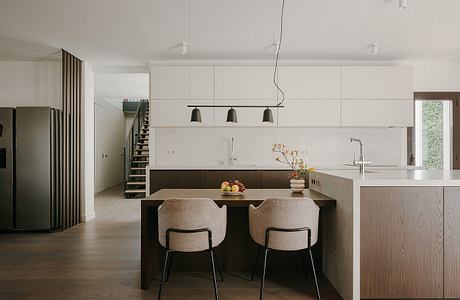
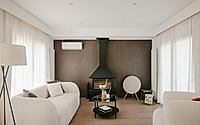
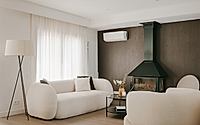
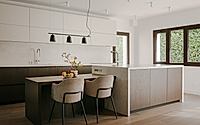
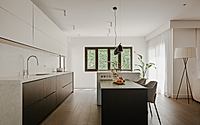
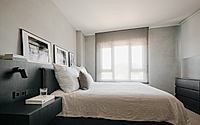
Casa Morera unfolds as a house in Sant Cugat del Vallès, Spain, crafted by ZHUD studio in 2024. Set within a residential context, the project focuses on daily living and rhythm rather than gesture, using clear planning moves to shape the experience of home. It reads as a composed residential work with a measured stance, where the plan steers the atmosphere and pace.
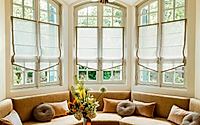
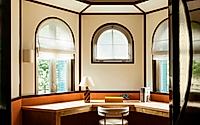
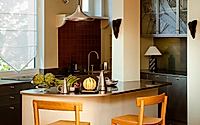
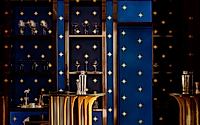
Villa Junot sits on Avenue Junot in Paris, France, a 1920s house revived for Iconic House’s Maison-Hôtelière vision. The Paris studio Claves leads a full interior transformation that restores heritage while threading in contemporary art and craft. Across generous rooms and a rooftop, the project moves between museum-grade detail and lived-in comfort, merging hospitality polish with the intimacy of a private residence.
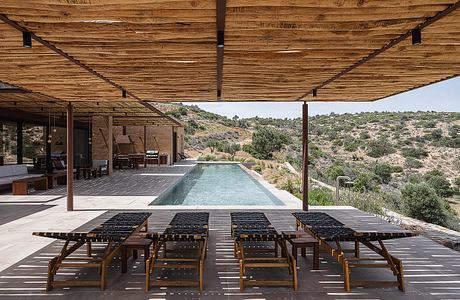
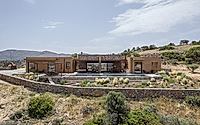
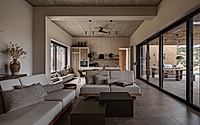
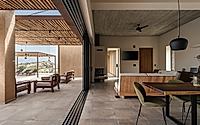
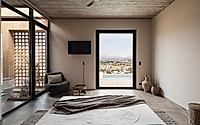
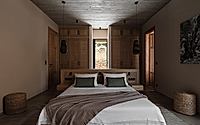
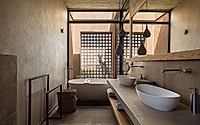
Villa Ousia sits on a hillside above Pitsidia, Greece, where Paly Architects condense a house into three offset volumes shaped by stone, earth-toned plaster, and glass. The arrangement pivots around a pool and a pair of pergolas, threading the rooms to outdoor life while softening wind and sun. Built between 2023 and 2025, the residence reads as concise and deliberate, with local materials setting the tone indoors and out.