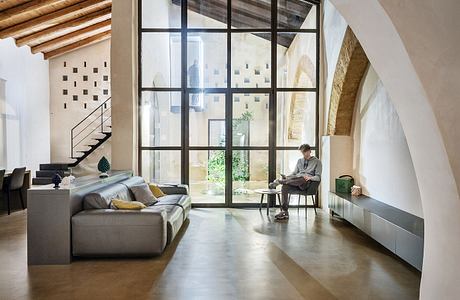
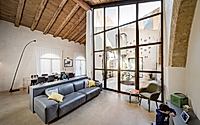
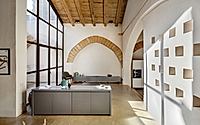
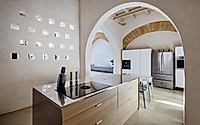
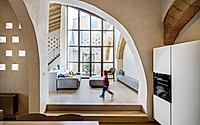
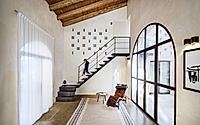
Casa SC stands in Menfi, Italy, where Vid’A reworks a late 19th-century barn into a contemporary house without erasing its agricultural past. Thick walls, low arches, and a perforated brick screen now frame domestic life while holding onto the traces of work and storage that once filled the volume. The project reads as a careful recovery of character rather than a cosmetic update.
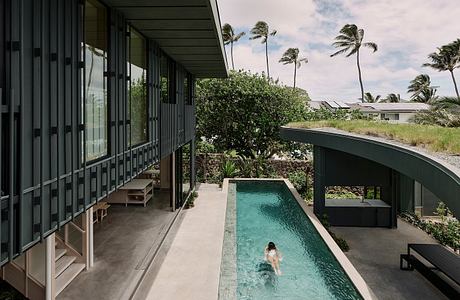
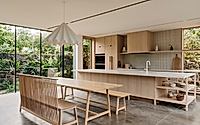
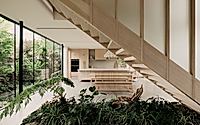
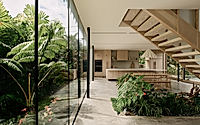
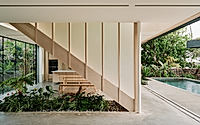
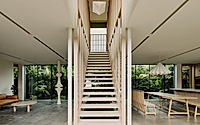
Kailua House sits just inland from the shoreline of Kailua, Hawaii, United States, where Mork-Ulnes Architects shape a dense neighborhood lot into an inward-looking retreat. The house turns toward lush planting, a grass-roofed lanai, and a long pool, arranging daily life around water, shade, and garden rather than the street. Inside, warm timber, concrete, and broad glass walls support a calm rhythm of cooking, gathering, and rest tuned to the island climate.
Allegato anchors a new house in Toorak, Australia, as McMahon and Nerlich translate a personal journey into a place of stillness and light. The project threads Māori notions of Wairua with Design; Building on Country principles, tying the home to land, memory, and a carefully tended garden. An L-shaped plan, sculpted roof forms, and material continuity between indoors and outdoors frame everyday life in a way that feels measured and quietly rich.
Lakeside Villa unfolds as an art-inflected house in Shanghai, China, shaped by WJ STUDIO as both home and private gallery. The project treats collecting as a way of living, drawing lakeside greenery, structural clarity, and curated light into a calm domestic setting. Across its rooms, museum-like restraint meets everyday ease, allowing art, furniture, and family rituals to carry equal weight within a quietly immersive interior.
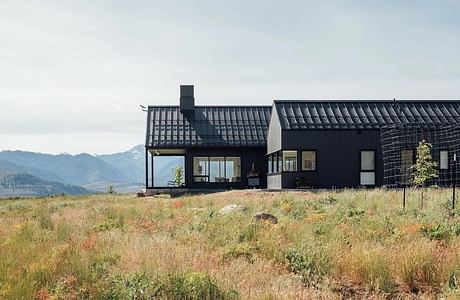
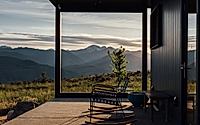
Anti-Shed sits in Winthrop, WA, United States, a house by Syndicate Smith shaped by the Methow Valley’s sharp seasons and long mountain views. The project trades the region’s familiar glassy shed roofs for a pared-back gable form, drawing instead on the owners’ Scandinavian travels and a close reading of wind, snow, and sun. Inside and out, it balances exposure and shelter in a way that feels precise yet relaxed.
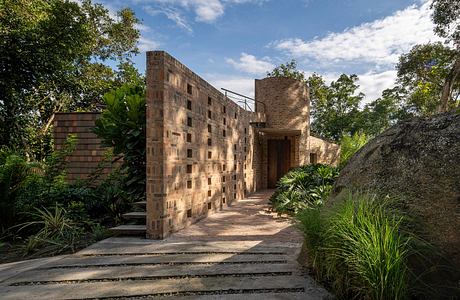
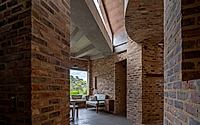
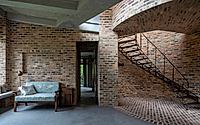
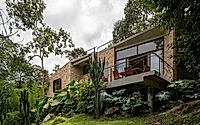
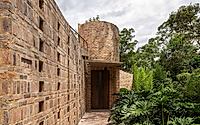
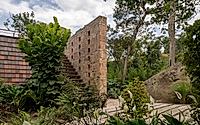
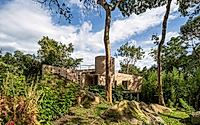
Casa Nola stands as a house in Cachipay, Colombia, by Yemail Arquitectura, set among water, soil, and trees in a charged rural landscape. The project treats movement as a starting point, asking how bodies ascend, lie down, and cross thresholds while staying in dialogue with light and climate. Built in 2024, it treats the ground, large stones, and fired clay mass as equal partners in shaping daily life.
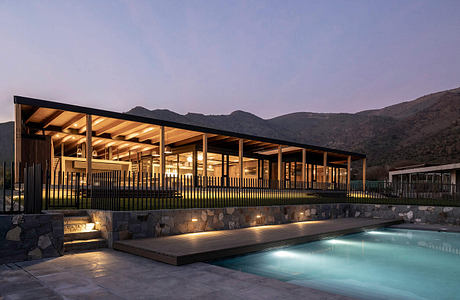
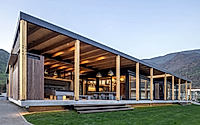
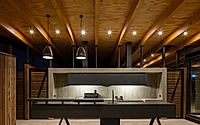
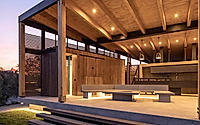
Chicureo House stretches low across its golf-course edge in Colina, Chile, a precise single-family house by Nicolas Loi Architects. The project organizes domestic life between a concrete plinth and a deep timber roof that temper the harsh sun while keeping living areas connected to the landscape. Generous interstitial zones pull daily routines outdoors, from barbecues to poolside evenings, so the house reads as a long porch facing the fairways.
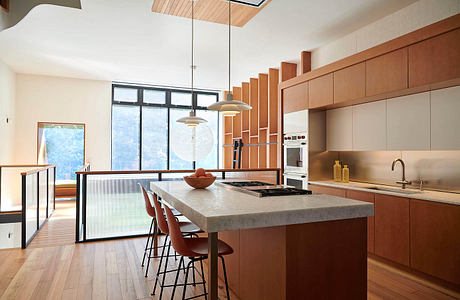
Ft. Greene Brownstone stands on a tree-lined block in Brooklyn, Kings County, NY, United States, its restored facade anchoring the row. Sherman Architects reworks the landmark house as a tall, light-filled home where a family moves between books, play, and garden. Behind the rebuilt stoop and cast-stone ornament, the interior shifts from intimate rooms to a double-height living volume that opens wide to the backyard for daily use.