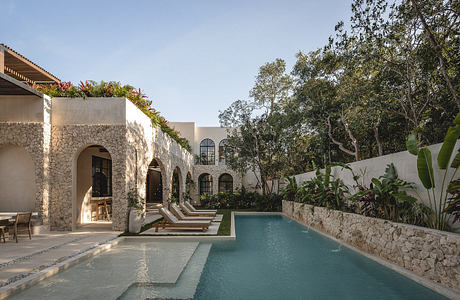
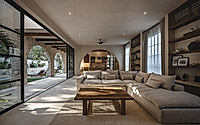
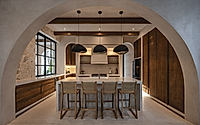
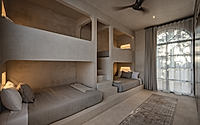
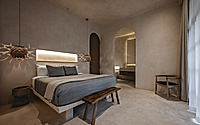
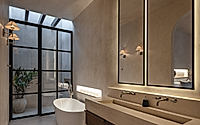
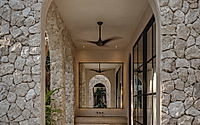
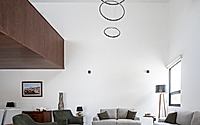
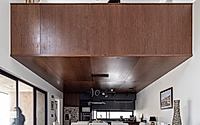
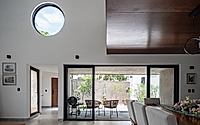
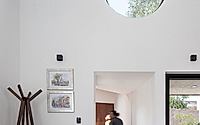
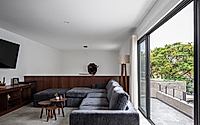
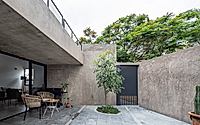
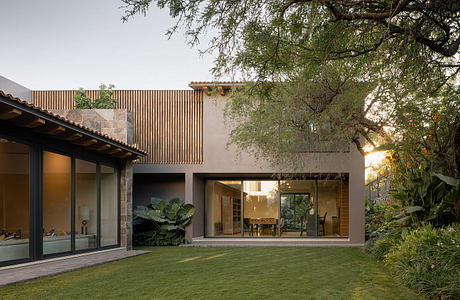
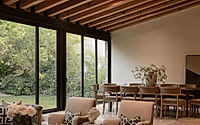
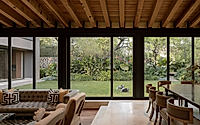
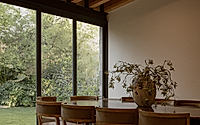
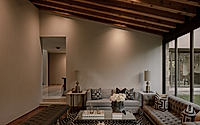
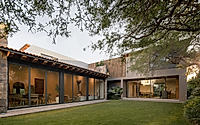
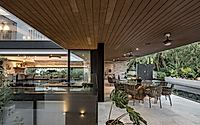
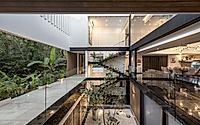
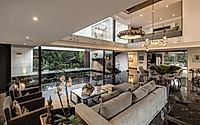
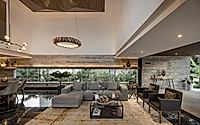
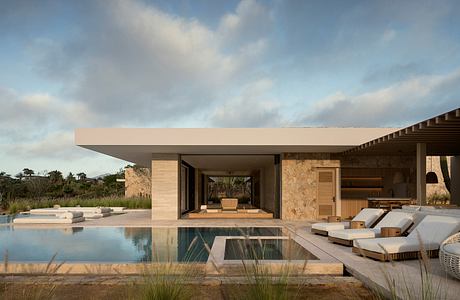
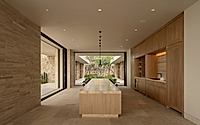
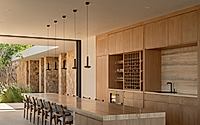
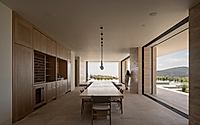
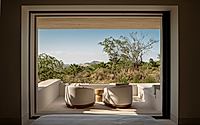
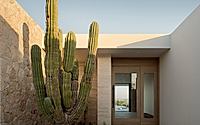
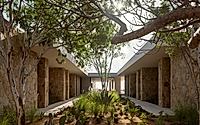
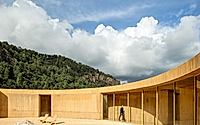
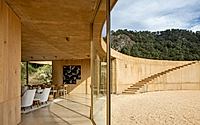
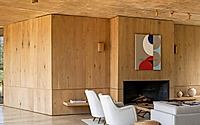
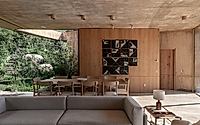
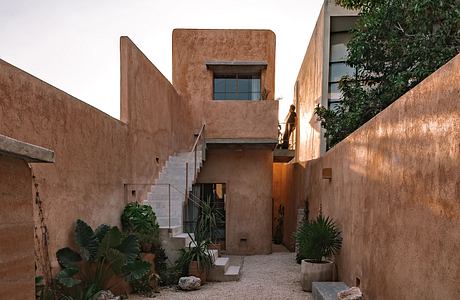
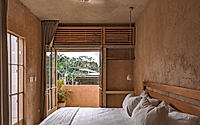
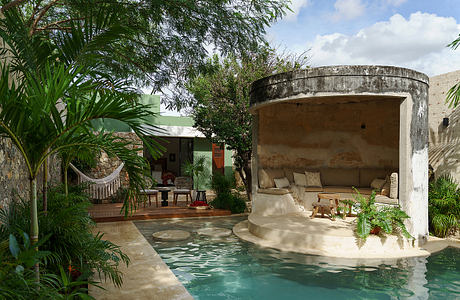
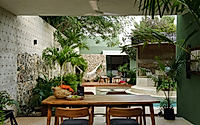
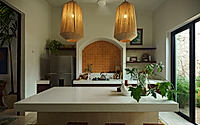
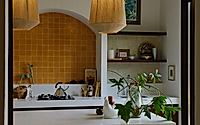
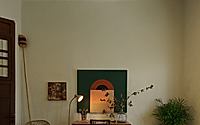
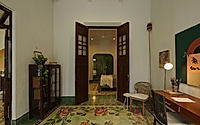
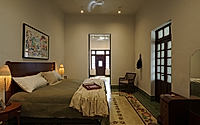
Casa Colina is a house in Tulum, Mexico, designed by Estudio Paulina Villa Arquitectura as a sequence of arched rooms, courtyards, and terraces that open directly to the landscape. Designed in 2025, the project turns the clients’ wish for clear indoor-outdoor living into an arrival experience with real presence, then carries that calm through living areas, bedrooms, and bathing rooms shaped in stone, plaster, wood, and filtered light.
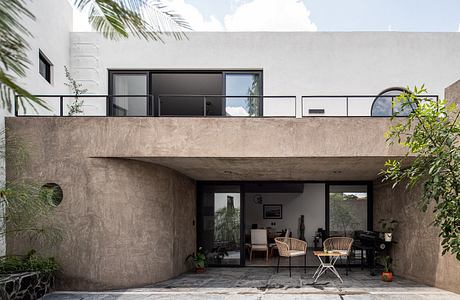
Casa Gálvez sits in Leon, Mexico, where Estudio Villagálvez turns a dense urban lot into a house oriented toward trees, patios, and changing light. The project stands between residential and industrial neighbors yet leans toward a bordering green area, drawing its everyday atmosphere from foliage, shade, and open views. A contemporary reading of traditional Mexican domestic forms grounds the house, so circulation, height, and air all pivot around a central courtyard.
Trigo House rises among mesquite trees in Querétaro City, Mexico, as a composed family house by Heliana Arquitectura. Volumes and gardens step with the terrain, giving a family from Mexico City a calm retreat shaped by courtyards, interior patios, and framed views. Natural materials and controlled openings support a way of living that feels rooted, open, and quietly sheltered at the same time.
Casa Mulix stands in Mérida, Yucatán, Mexico as a house conceived around air, shade, and layered courtyards. Designed by Arkham Projects, the residence organizes three levels around a central void that pulls light and greenery into daily circulation. Every move or pause moves past vegetation, terraces, and shifting volumes that open for views or close for privacy, giving the home a calm but dynamic rhythm through the day.
Casa La Vista stands above the dunes of Baja California, Mexico, as a cliffside house oriented to the open horizon and the meeting of sky and sea. Designed by Medeza, the residence stretches along a southeast axis that courts desert light, coastal winds, and long views toward San José and Punta Gorda. Across its wings, the architecture arranges daily life around shade, courtyards, and an unmistakably Baja terrain.
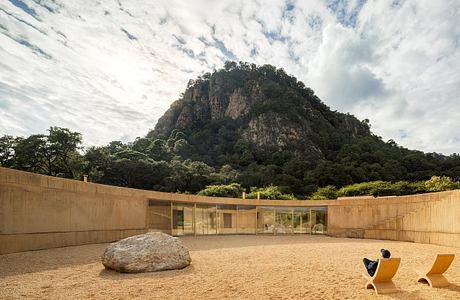
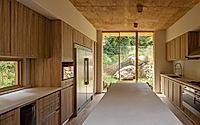
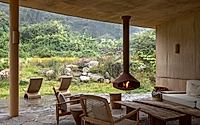
House 720 Degrees stands in Valle de Bravo, Mexico, as an off-grid house by Fernanda Canales Arquitectura shaped around climate, light, and terrain. The project draws two families and their guests into a circular sequence that tracks sun, rain, and daily temperature swings with the precision of a solar clock. Its courtyard core, detached volumes, and earthen walls keep the remote valley both sheltered and wide open.
Portal 62 begins as a compact house in Merida, Mexico, yet unfolds into something deeper under the direction of Veinte Diezz Arquitectos. What starts as a conventional courtyard dwelling soon pivots around the discovery of a hidden cavern, turning the project into a carefully staged journey from street to subterranean. Each move through the house clarifies that this is less a showpiece than a measured sequence meant to be uncovered slowly.
Casa More sits in Mérida, Mexico, where Workshop: Diseño y Construcción reworks a midcentury Art Decó house into a layered domestic sequence. The house retains its 1940s character at the street and unfolds toward a new terrace and pool, moving from restored interiors to tropical gardens. Each zone reads as a chapter in the same story, shaped by climate, memory, and the easy pace of Yucatán life.