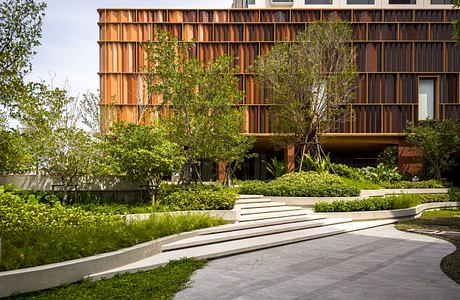
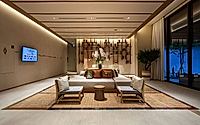
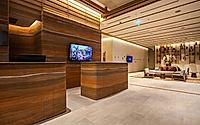
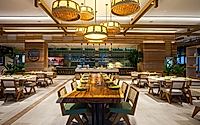
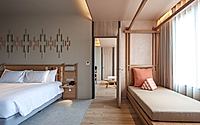
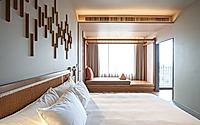
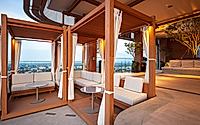
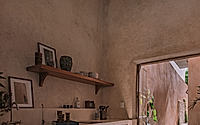
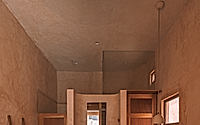
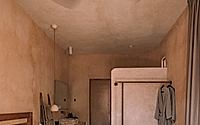
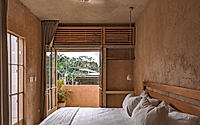
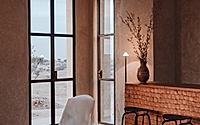
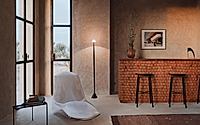
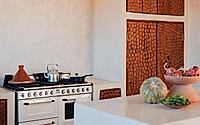
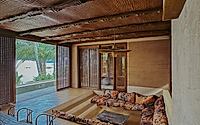
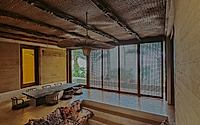
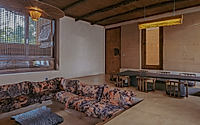
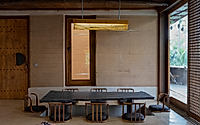
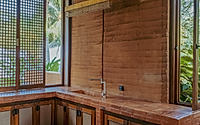
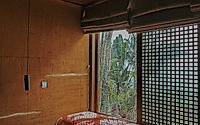
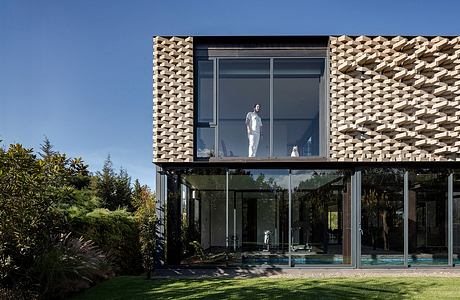
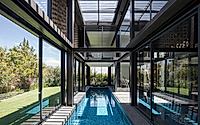
Centara Korat is a lifestyle hotel in Nakhon Ratchasima, Thailand, by Vaslab Architecture. Designed for families and business travelers, it focuses on the guest journey from arrival to checkout. Warm earth tones, local materials, and durable finishes shape an intimate atmosphere, while rooftop views and compact room details keep the experience grounded in place.
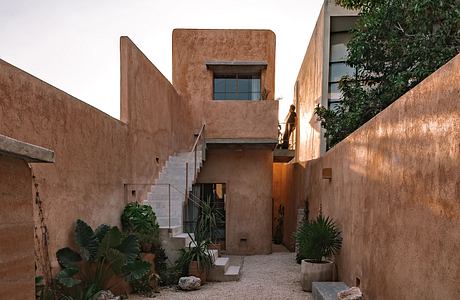
Portal 62 begins as a compact house in Merida, Mexico, yet unfolds into something deeper under the direction of Veinte Diezz Arquitectos. What starts as a conventional courtyard dwelling soon pivots around the discovery of a hidden cavern, turning the project into a carefully staged journey from street to subterranean. Each move through the house clarifies that this is less a showpiece than a measured sequence meant to be uncovered slowly.
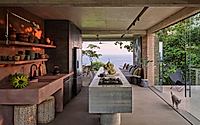
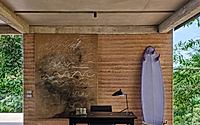
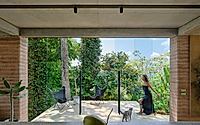
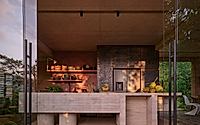
Japi House sits in Jundiaí, SP, Brazil, a contemporary house by UNA Barbara e Valentim that turns to the foothills of Serra do Japi for cues. The project revives rammed earth alongside exposed concrete and a garden roof, tying durable craft to climate and daily life. Quiet from the street, it opens to sky and green inside.
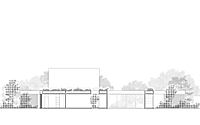
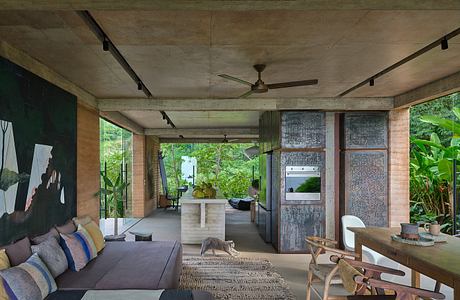
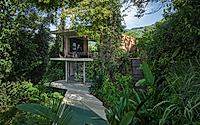
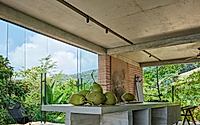
Studio House sits in Costa Rica as a private house shaped by slope, jungle, and Pacific light. Designed by Formafatal founder Dagmar Štěpánová for herself and partner Karel Vančura, it pairs porous living with quiet refuge. The two-level villa near Uvita trades a conventional façade for exposure to air and ocean, threading terraces, a pool, and a rooftop into the site’s fall. It lives outdoors as much as in.
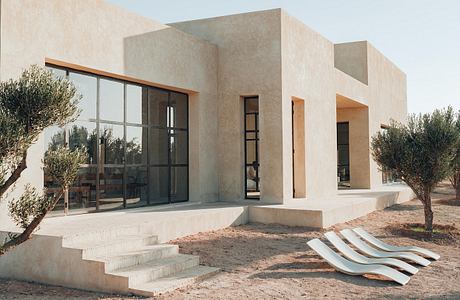
DDAR stands on a 10-hectare hillside just outside Essaouira, Morocco, by Othmane Bengebara Studio. The project reads as a contemporary douar—rooted in local climate, craft, and community—yet tuned for present-day life. Designed in 2024 in collaboration with the owners and regional makers, this house embraces vernacular intelligence and bioclimatic thinking, from wind-calibrated openings to robust water management. It’s a home built by many hands, and for many conversations.
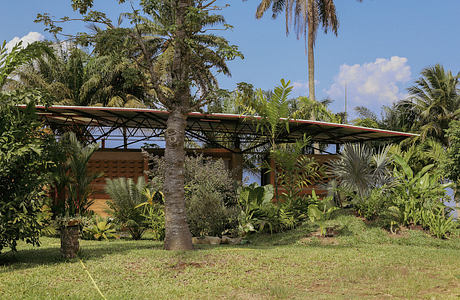
Pavilion Essoa stands on the lagoon in Jacqueville, Côte d’Ivoire, a house by MOYÉSOA shaped by tropical vernacular thinking and bioclimatic craft. Set within a vast botanical garden, the villa breaks into independent volumes linked by courtyards that invite movement and air. The plan pursues self-sufficiency and modular living, translating local materials and know-how into a quiet, contemporary rhythm that meets the coast’s heat and humidity head-on.
House 2.0 is a three-level house in Ecuador by CORREA+FATEHI ODD. The project reinterprets Andean vernacular with adobe made from on-site earth and rammed earth cuts that stage the approach. With a ventilated masonry skin that modulates temperature and light, the residence moves between solid and porous—by day a shaded monolith, by night a lantern—while a vertical living room eases circulation and expands daily use.
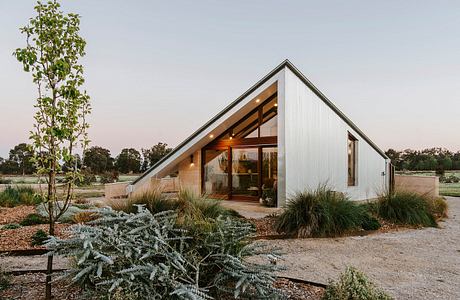
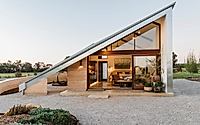
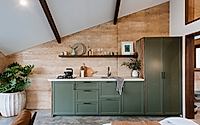
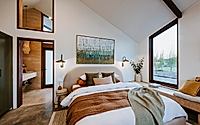
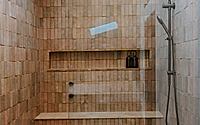
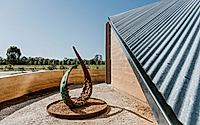
Kavillo Studios by Cameron Anderson Architects is a luxury tourism accommodation in Buckaroo, Australia. Designed in 2024, the project features a distinctive tent-like roof structure. Owner-built by sculptor Michael Ferris, the design includes rammed earth walls and galvanized metal cladding, referencing local materials.
The project combines rural aesthetics with environmental considerations, offering a handcrafted, sustainable retreat.