How to Choose the Right Flooring for Every Room
Choosing flooring for your home is a big decision. Flooring affects the comfort, appearance, and function of every room. Each space in your home serves a different purpose, and that purpose should guide your flooring choices.

Some rooms need flooring that can handle water or spills, while others need to feel soft and warm. With so many options available, it’s important to know what to consider when selecting the right floor.
This guide will help you understand how to make smart flooring choices for each room in your house.
Know the Purpose of the Room
The first step in choosing flooring is to think about the purpose of the room. Bedrooms are for rest and relaxation, so they need flooring that feels soft and cozy.
Kitchens and bathrooms deal with moisture, spills, and cleaning, so they need materials that are easy to maintain and resistant to water. Living rooms are often a space for entertaining guests or spending time with family, so you want something that looks nice and holds up to regular use.
Children’s playrooms may require floors that are safe, soft, and easy to clean in case of messes. Thinking about what each room is used for will help you find the right flooring for its needs.
Consider Foot Traffic
Some areas of your home get more use than others. Hallways, kitchens, and living rooms are high-traffic areas, which means they need strong, durable flooring that can handle lots of movement. These rooms often benefit from hardwood, tile, or luxury vinyl because they resist wear and tear.
In contrast, guest rooms and home offices usually see less traffic, so you have more freedom to use materials like carpet or laminate that might not hold up as well in busy areas. Choosing flooring that matches the level of foot traffic helps it stay attractive and functional for longer periods of time.
Think About Moisture Levels
Moisture is an important factor in many rooms, especially bathrooms, laundry rooms, and kitchens. In rooms where water is common, it is important to choose flooring that won’t be damaged by moisture. Tile is a great choice because it’s water-resistant and easy to clean.
Vinyl and waterproof laminate are also smart options for wet areas. Carpet and hardwood may not hold up well in these spaces unless they are specially treated or installed with proper sealing methods.
If you live in a humid area or have children who might spill drinks often, moisture resistance becomes even more important. Always match the flooring material to the moisture level of the room.
Match the Style of Your Home
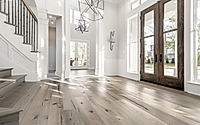
Your flooring should fit the style of your home. If you have a modern home, you might prefer clean, simple floors such as light wood, polished concrete, or sleek tile. Traditional homes often look best with warm-toned hardwood, classic stone, or patterned tile.
A cozy cottage-style home may benefit from soft, neutral carpet or rustic wood. A coastal-style home may use whitewashed or light floors to reflect natural light. Think about the look and feel you want in each room and choose a flooring style that complements it.
Pick a Comfortable Option
Comfort should never be overlooked. In rooms where you spend a lot of time on your feet, such as kitchens, you might want flooring that offers some softness and support. Cork and padded vinyl can be more comfortable to stand on than hard tile.
For bedrooms, soft carpet provides warmth underfoot, especially during cold mornings. Living rooms also benefit from a warm, comfortable feel, especially if you like to sit on the floor or let children play there. If comfort matters to you, choose a flooring type that helps you feel at ease in your home.
Consider Maintenance Needs
Different types of flooring require different levels of care. Tile is easy to clean but grout can stain if not sealed properly. Hardwood looks beautiful but needs regular sweeping and occasional polishing.
Carpet traps dust and dirt, so it needs frequent vacuuming and deep cleaning. Laminate and vinyl are among the easiest types to care for because they resist stains and clean up quickly.
People with allergies may prefer hard surfaces over carpet, as they collect less dust and allergens. Think about how much time you want to spend cleaning and maintaining your floors, and choose a material that fits your routine.
Don’t Forget Durability
Durability is important, especially in households with children, pets, or heavy furniture. Floors in these homes need to resist scratches, dents, and spills. Tile and vinyl are very tough and can handle heavy use.
Some types of laminate and engineered wood are made with strong top layers that help resist damage. Flooring that dents easily may not be ideal for a home with active pets or kids. Durable floors last longer and save you money in the long run, so they’re worth the investment.
Set a Budget
Flooring comes in many price ranges, from low-cost options to luxury materials. Before shopping, decide how much you are willing to spend. Consider the cost of the flooring itself as well as underlayment, delivery, and installation. It is also helpful to think about future costs such as repairs or replacements.
For those looking to stay within a budget, finding the best priced flooring that offers good quality is key. A lower price doesn’t always mean lower value, especially when you choose wisely.
Try Samples at Home
Flooring can look different in your home than it does in the store. Lighting, paint color, and furniture can all affect how flooring appears. Taking home samples allows you to see how the material looks during the day and at night.
You can feel the texture and imagine how it fits with the rest of your home’s design. Samples also help you decide between different shades and styles before making a final decision.
Choose the Right Color
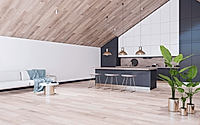
The color of your flooring can change how a room feels. Light colors can make a room look bigger and brighter. They work well in small spaces or rooms that don’t get much natural light. Dark floors can create a cozy, elegant feeling and are often used in large spaces.
Neutral tones like beige, gray, and taupe are versatile and match almost any color scheme. Colors that match your walls and furniture will create harmony in the room. If you’re not sure what to pick, neutral floors are the safest and easiest to decorate around.
Focus on Safety
Safety should always be a part of your flooring decision, especially in homes with children, seniors, or people with mobility concerns. In wet areas like bathrooms, non-slip flooring helps prevent accidents. Tile with a textured surface is a safe option.
Carpet is also a good choice for reducing the risk of falls, as it adds softness and grip. Smooth floors can be slippery when wet, especially polished stone or glossy tile. In homes with stairs, using non-slip surfaces or stair treads can greatly improve safety.
Pick Eco-Friendly Materials
If you care about the environment, there are many eco-friendly flooring options available. Bamboo is a fast-growing plant that works well as a wood alternative. Cork comes from tree bark and can be harvested without harming the tree.
Reclaimed wood gives new life to old materials and adds unique charm to your space. Some vinyl and laminate flooring products are made with recycled materials. Choosing eco-friendly flooring helps reduce waste and pollution while creating a healthy home environment. Look for certifications like FSC or GREENGUARD to confirm a product’s sustainability.
Look at the Warranty
A good flooring warranty gives you peace of mind. Most flooring comes with a warranty that covers certain types of damage or defects. Some cover wear and tear for several years, while others only cover manufacturing flaws. Always read the details carefully.
Know what is included, how long the warranty lasts, and what might void it. A strong warranty usually means a reliable product, and it can protect you from unexpected problems. Some warranties even include coverage for fading or moisture damage, especially for high-end materials.
Hire a Professional Installer
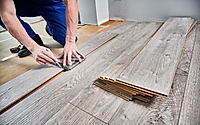
While some flooring can be installed as a do-it-yourself project, professional installation often leads to better results. Professionals know how to handle tricky corners, uneven subfloors, and other challenges. They have the right tools and experience to do the job well.
Improper installation can cause problems such as shifting, cracking, or water damage. Paying for a skilled installer can save you money and trouble over time. Ask for references or check reviews before choosing someone to do the job.
Consider Heating and Insulation
Flooring affects how warm or cold your home feels. Carpet keeps rooms warm and helps with insulation. Wood and laminate hold heat better than tile. In colder climates, these materials can make a big difference in comfort. Tile can feel cold underfoot, but it works well with heated flooring systems.
If you want to add warmth, consider radiant heating under the floor. Good flooring choices can reduce your heating and cooling bills and improve the overall comfort of your home year-round.
Think About Noise
Some types of flooring are noisier than others. Hard surfaces like wood and tile can create echoes and make footfalls louder. This can be a problem in multi-level homes or apartments. Carpet is excellent at reducing sound.
Cork and vinyl also help absorb noise. If you have children or live in a shared building, choosing flooring that reduces noise will make your space more peaceful and private. Using underlayment beneath hard floors also helps reduce sound transfer between rooms.
Make Sure It’s Pet-Friendly
Pets can be tough on floors. Dogs and cats can scratch surfaces, shed hair, or have accidents. Flooring in pet-friendly homes should be durable and easy to clean. Tile and vinyl are great options because they resist moisture and scratches.
Carpet may trap fur and odors, making it harder to maintain. Laminate is another good choice if you pick a variety that resists scratching. Choose flooring that helps you care for your pets and keep your home clean and fresh.
Choose Floors That Add Value
Flooring can increase the value of your home. Buyers often look for high-quality floors that are attractive and easy to care for. Hardwood is a favorite in many markets, adding both beauty and value.
Tile in kitchens and bathrooms is also a smart investment. Even if you don’t plan to sell soon, choosing a floor that adds value can be a wise long-term decision. Good flooring makes a lasting impression on visitors and potential buyers alike.
Think About the Future
It’s easy to get caught up in trends, but trendy flooring can quickly go out of style. Choose timeless options that will look good for many years. Classic wood tones, simple tile patterns, and neutral colors stay in fashion and work with many decorating styles.
Also, consider how your needs might change. A young couple might plan for children. Older homeowners may plan for aging in place. Thinking ahead helps you choose flooring that remains suitable for future life stages and saves the cost of replacing it again too soon.
Plan for Room Transitions
When different rooms have different floors, the change between materials should be smooth. Rough or awkward transitions can break the visual flow of your home. Use trims or threshold strips to create clean, neat transitions between flooring types.
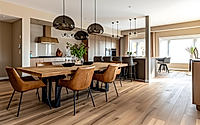
Try to choose flooring in shades that complement each other. In open-plan spaces, using the same flooring throughout can make the room look larger and more connected.
All About the Right Flooring for Every Room
Flooring plays a major role in how your home looks, feels, and functions. With so many materials, styles, and features to choose from, it’s important to think about how each room is used, how much traffic it gets, and what kind of maintenance you’re willing to handle.
From comfort and safety to style and value, flooring decisions affect your everyday life. By using the tips in this guide, you can make smart choices that bring beauty, durability, and comfort to every room in your home.
Looking for more tips and ideas? We’ve got you covered. Check out some of our other posts now.
- by Matt Watts