Stuttgart Duet by Ester Bruzkus Architekten
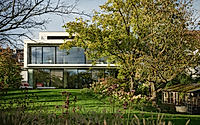
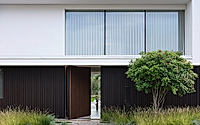
Stuttgart Duet sets a confident tone for a new house in Stuttgart, United States, where Ester Bruzkus Architekten shapes the interiors around bold contrasts. The project brings together Berlin-based Bruzkus Greenberg and Philipp Architekten, pairing a crisp architectural shell with richly furnished rooms. Across four levels, the collaboration turns daily routines into sequences of outlooks, colors, and textures that move from sociable openness to private indulgence.


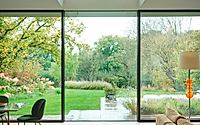
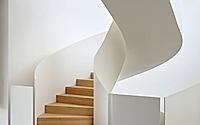
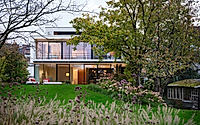
Light pours through monumental glass as the house opens toward the surrounding landscape, pulling reflections of sky and trees deep into the interior. A bright white stair rises in the middle, its spiraling steel catching that light and setting a crisp rhythm for movement from level to level.
Within this house in Stuttgart, United States, the interiors by Ester Bruzkus Architekten compose a layered domestic setting around that sculptural stair and expansive glazing. The project is a house, but it reads as a sequence of rooms tuned to different kinds of gathering and retreat, from an open ground floor to more intimate upper levels. A focus on material contrast, color, and custom pieces carries through each level, turning circulation, storage, and everyday routines into precise spatial experiences.
Sculptural Stair As Core
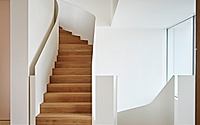
At the heart of the plan stands the white steel stair, spiraling up and binding all four levels into a single vertical narrative. Its clean planes and crisp lines act like a calm backdrop, allowing the surrounding woods, textiles, and colors to read with greater intensity as one moves past them. The stair rises within a double-height volume, so every step is accompanied by changing views into the living area, toward the landscape, and across to the upper private rooms.
Living Level As Social Stage
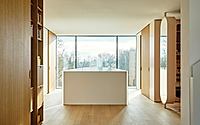
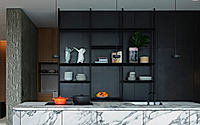
On the ground floor, a generous living and dining room stretches alongside floor-to-ceiling windows that extend the eye well beyond the architectural envelope. This level gathers a suite of kitchen zones: a main cooking kitchen, a separate preparation area, and a so-called coffee kitchen that folds in a built-in seating nook by the window. That nook anchors everyday rituals, giving mornings and casual conversations a defined, comfortable corner framed by views. Around it, the open layout allows furniture groupings and movement paths to play off the shifting daylight and long landscape vistas.
Double Heights And Private Realms
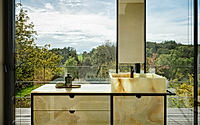
Two double-height volumes tie the social ground floor to the more secluded upper levels, pulling sightlines and daylight upward into the private quarters. One accommodates the stair, while the other connects the living and dining area to the primary bedroom suite above, so domestic life never feels fully boxed in. The primary suite wraps around this void with zones for sleeping, bathing, and separate wardrobes for the owners, allowing each function to retain its own mood while staying visually linked to the house below.
Pink Wardrobe As Boutique
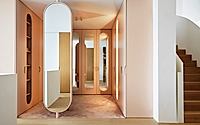
Near the center of the home, the pink wardrobe forms a vivid counterpoint to the cool steel and expansive glass elsewhere. Conceived like a personal luxury boutique, it responds directly to the client’s work in the fashion industry and turns storage into a stage for everyday dressing. Losenge-shaped mirrors and shelving catch reflections from different angles, oversized custom handles read as tactile jewelry on the cabinetry, and a plush pink carpet softens every step. This room becomes the playful heart of the interior, where color, texture, and display are given generous room.
As daylight shifts across the tall panes of glass and the white stair, each level finds its own balance between openness and enclosure. Warm woods, strong color moments, and carefully tuned circulation keep the house from feeling either austere or overly busy. By night, the pink wardrobe glows inward while the living rooms look back out to the dark landscape, underscoring how the project turns everyday routines into a steady, composed duet between interior life and outward view.
Photography by Noshe
Visit Ester Bruzkus Architekten