How Architects Design Shared Spaces Residents Actually Use
Shared spaces are now a standard component of contemporary residential architecture, yet their actual use often falls short of their intent. Across recent residential developments, architects have begun addressing this gap by treating shared spaces as part of the building’s spatial framework rather than optional extras. When planned as integral elements of circulation and daily life, these interiors are more likely to support regular use instead of occasional occupation.
Different Projects, Similar Design Thinking
Across recent residential developments, architects have applied similar principles to improve how shared spaces function in everyday life. While the architectural language and context vary, the underlying strategies remain consistent.

The Arthouse, Abu Dhabi
Approach: Circulation-integrated social spaces
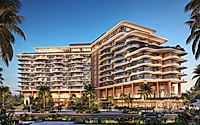
Developed by Aldar Properties, The Arthouse places shared interiors directly along daily circulation routes. Work lounges, social rooms, and quieter spaces are encountered naturally as residents move through the building, reducing reliance on deliberate trips to dedicated amenity floors.

The Lana Residences, Dorchester Collection, Dubai
Approach: Hospitality-style sequencing
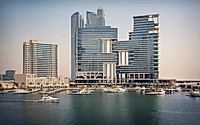
Developed by OMNIYAT, The Lana Residences organises shared spaces around a clear arrival hierarchy informed by hotel planning. Lounges and communal interiors sit between the entrance and private residences, creating a familiar spatial progression that supports regular use without blurring the line between residential and public areas.

Battersea Power Station Residences, London
Approach: Decentralised community rooms
Developed as part of the wider Battersea Power Station regeneration, the residential buildings distribute shared spaces across smaller residential clusters rather than concentrating amenities in a single location. This approach reduces scale, creates recognisable groups of users, and supports repeated interaction within defined resident communities.

One Hundred East Fifty Third Street, New York
Approach: Minimal, restrained communal provision
Designed by Foster + Partners, the building limits shared spaces to a small number of deliberately modest rooms positioned near primary circulation routes. Their restrained scale and calm design support visibility without exposure, encouraging longer stays rather than transient use.
Placement Along Everyday Routes
One consistent factor across these projects is placement. Shared spaces that sit along routes residents already use are far more likely to be entered. Spaces that require a conscious detour tend to be ignored, regardless of how well they are furnished.
Architects increasingly treat circulation as social infrastructure. When movement paths intersect with shared interiors, use becomes incidental rather than intentional.
Human Scale Over Monumentality
Oversized lounges often feel exposed and impersonal. In contrast, smaller rooms with domestic proportions lower the psychological barrier to entry. Several of the projects referenced prioritize reduced ceiling heights, narrower room widths, and enclosed seating zones, making shared spaces feel closer to private living rooms than public halls.
This shift in scale supports comfort and repeat use, especially in residential settings where familiarity matters more than visual impact.
Visibility Without Full Exposure
Another shared strategy is controlled visibility. Rather than fully open spaces, architects use partial screening, framed openings, and layered views. Residents can see activity inside a room before entering, while still retaining a sense of privacy once inside.
This balance encourages participation without forcing interaction, a key factor in long-term usability.
Clear Layouts and Fixed Spatial Cues
Furniture placement plays a larger role than often acknowledged. Fixed seating arrangements, defined zones, and clear circulation paths reduce uncertainty. When residents do not need to decide how a space should be used, they are more likely to use it.
Across the referenced projects, shared spaces are furnished with intention rather than flexibility, prioritizing clarity over adaptability.
Multi-Use Without Over-Programming
Instead of labeling rooms for specific functions, architects increasingly design neutral but purposeful spaces. A single room may support reading, informal work, or conversation without being branded as a library or co-working area.
This avoids exclusion and allows residents to adapt spaces naturally over time, extending their relevance beyond initial occupancy.
What These Design Choices Change
When shared spaces are placed along daily routes, designed at human scale, and furnished with clarity, they become part of routine life rather than optional amenities. The projects discussed demonstrate that consistent use is achieved through architectural decisions that reduce effort, increase comfort, and support familiarity.
In practice, shared spaces succeed when residents do not have to think about using them. Architecture does that work in advance.
- by Matt Watts