Living Unit by OFIS architects
Living Unit sets out from Ljubljana, Slovenia, as a compact yet ambitious cabin concept by OFIS architects. The project explores how a self-contained wooden shell can adapt to shifting terrains, climates, and uses, from tourism to emergency shelter. Conceived in 2017, the modular unit turns a small footprint into a surprisingly complete retreat with kitchen, bathroom, and sleeping arrangements ready to multiply across different sites.


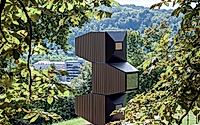
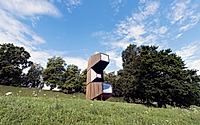
A small timber volume stands clear against its setting, its compact form reading as a single, quiet gesture in the landscape. Inside, the light tracks across plywood boards and built-in furnishings, turning the narrow plan into an efficient sequence of everyday rituals.
This cabin is a research-driven prototype in Ljubljana, Slovenia, developed by OFIS architects with partners to test a self-contained wooden unit for varied terrains and climates. As a flexible cabin, it supports holiday use, short-term research stays, tourism, or emergency shelter through a modular shell that can stand alone or multiply. The project centers on how a compact volume can host full daily life—cooking, washing, reading, resting—while shifting between sites and programs without losing clarity.
Stacking Daily Life
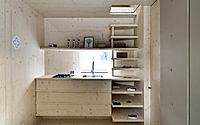
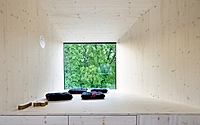
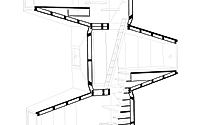
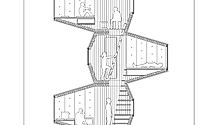
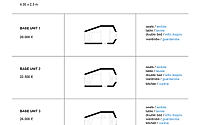
Inside the basic 4.50m by 2.50m by 2.70m unit, daily functions compress into a precise sequence. A small kitchen, bathroom, bed, and seats line the envelope, turning the interior into a single efficient room rather than a set of separate compartments. People cook, work, read, and sleep within this one volume, moving between built-in elements instead of rooms. The result is compact living arranged around use, where every surface has purpose and every corner carries part of the program.
Linking Units Over Terrain
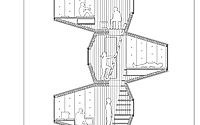
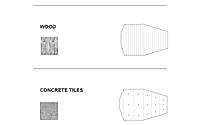
The core cabin works as a stand-alone retreat, yet the system grows when units link horizontally or vertically into twin or triplet clusters. A pair can extend accommodation for a family or a small research group, while a vertical stack creates a slender tower with distinct levels. Fixing methods, from steel anchors to removable concrete cubes, let the structure touch down on steep slopes, soft ground, or urban courtyards without permanent foundations. Movement between units changes how residents share, gather, or retreat over the course of a stay.
Reading, Resting, Gathering
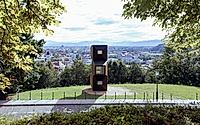
In one application, the cabin stands near Ljubljana Castle as a temporary library with a vertical organization of books. Each floor carries different topics, turning the stack into a walkable bookshelf where readers move between levels instead of aisles. Nearby underpasses with views toward the city act as informal reading rooms, echoing the idea of a “library under the canopy” where people sit beneath chestnut trees with borrowed volumes. The cabin here becomes a compact archive and meeting point, extending reading into public paths and shaded outdoor rooms.
Wood Craft and Interior Flexibility
Timber frames reinforced with plywood boards form the structural shell, giving the cabin a clear rhythm of repeated wooden elements. This robust yet light build supports different interior layouts so furnishings can suit a mountain site, a forest edge, or an urban square. Surfaces and built-ins draw on Slovenian woodworking traditions, tying contemporary research to long-practiced carpentry skills. Every project version becomes a test bed for local craft, from the exterior cladding down to the smallest joint inside.
As the day turns, the compact volume shifts from work to leisure without physical expansion. Light, books, and simple domestic routines carry the change. Across terrains, climates, and uses, the cabin keeps its clear timber shell while daily life inside adjusts, proving that a small unit can carry a wide program of shelter, study, and retreat.
Photography courtesy of OFIS architects
Visit OFIS architects