Nothing Design Co. Headquarters: Brick Screen Forms Luminous Studio
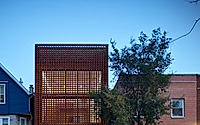
Nothing Design Co. Headquarters stands on a tight Chicago, IL, United States streetscape, where Range Design & Architecture converts an existing structure into a furniture studio and showroom. The project leans on brick construction and calibrated daylight to expand the volume, create working and display areas, and knit the new frontage into Chicago’s familiar row of common-brick buildings.


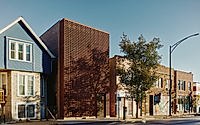
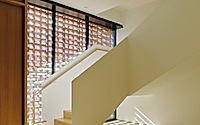
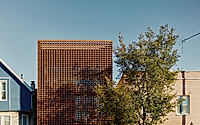
Morning light presses through the perforated brick screen, scattering a grid of pale shadows across the floor. From the sidewalk, the south-facing facade reads as a deep, porous lantern.
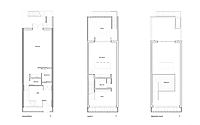
Inside, the showroom and studio unfold as an expansion of an existing structure that once had limited access to daylight. Range Design & Architecture responds with a new volume for making and displaying furniture, using brick construction to manage light, energy performance, and street presence. Material choices align the project with Chicago’s long history of common brick fronts while carving out precise conditions for work and display.
Brick Screen Envelope
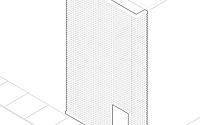
On the street edge, terra-cotta colored paver bricks form a thick screen in front of the glass wall. The lattice filters direct southern sun, cutting glare while allowing a steady wash of daylight into the showroom. That double layer reduces cooling loads by tempering heat gain and gives the facade depth within the flat row of neighboring storefronts. By day the volume reads as textured brickwork; at night the pattern glows from within.
At the property-line walls, the expanded structure rises in common brick without openings, following code constraints and neighborhood precedent. These bearing walls extend vertically from the existing shell, quietly thickening the block. Their opacity directs attention to the permeable street front and the yard-facing edge, where light and air can enter.
Light and Structure
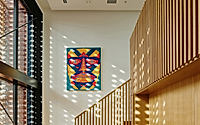
Brick, both reclaimed and new, becomes the project’s primary structural and atmospheric tool. Chicago is a city of brick, tapestried by the variability of the material’s module and mass, and this showroom leans into that identity. The screen acts as a brise-soleil, creating dappled interior light that shifts across floors, stairs, and joinery throughout the day. Behind it, a slender black-framed glazing system maintains continuity while keeping the warm brick as the dominant exterior expression.
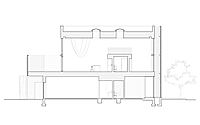
Within the tall showroom volume, daylight from the brick-filtered facade pairs with skylights to reach deep into the plan. Surfaces remain light and quiet so the moving pattern of shadows takes focus. That luminous field becomes the backdrop for furniture production and presentation, making the daily work legible as part of the architecture.
Yard-Facing Patio
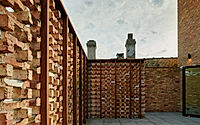
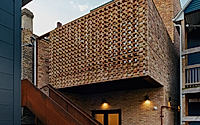
At the rear, a second brick screen in common brick wraps a projecting upper-level patio. The textured volume extends the perceived edge of the interior while preserving privacy from neighboring yards. A bi-folding glazed door folds entirely away, turning the interior room and the patio into one continuous platform for gathering or display. Below, existing brick is retained, tying the new element back into the older fabric of the block.
An exterior stair in dark metal rises along the yard, meeting the brick volume at the upper level. Its straightforward construction underlines the project’s reliance on a few durable materials: brick, metal, glass, and pale interior finishes. Evening light threads through the rear lattice, echoing the street facade yet using rougher common brick for a more utilitarian face.
Interior Craft and Use
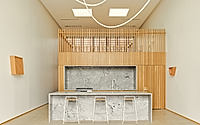
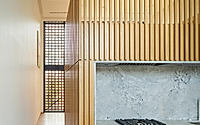
Inside, warm timber joinery organizes the showroom and support areas. A slatted wood enclosure creates an upper loft while screening storage and back-of-house functions from the main volume. Below it, a stone-faced kitchen block with integrated appliances anchors one end of the room, serving both staff and guests during events. Simple stools, pale flooring, and minimal wall fixtures keep the focus on furniture prototypes and the play of light.
Stairs move through shafts of brick-filtered sunlight, their solid white guards and timber treads catching the shifting grid of shadows. Walls remain mostly bare, aside from occasional bright artwork that stands out against the calm envelope. Every surface feels enlisted in the effort to manage light and frame the work of making furniture.
As day closes, the perforated brick facades read as patterned lanterns against the street and yard. Inside, the quiet volumes stay legible behind the warm veil. The project uses a familiar urban material to tune climate, structure, and atmosphere, returning the modest showroom building to the larger story of Chicago brick construction.
Photography by James John Jetel
Visit Range Design & Architecture