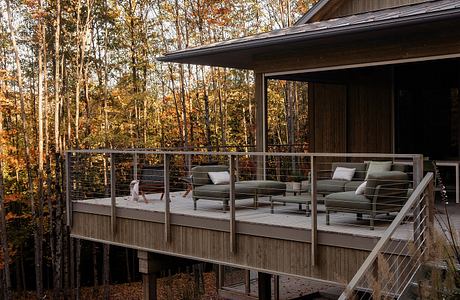
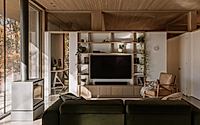
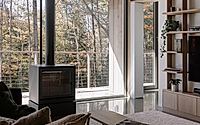
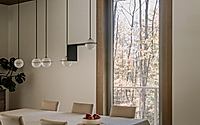
Perchée stands in a maple-wooded valley in Québec, Canada, conceived as a restrained house by Matière Première Architecture that barely touches the ground. The project threads itself along the slope, holding back from excessive clearing so daily life stays immersed in the forest. Interior rooms and covered terraces trade square footage for atmosphere, treating the surrounding trees as the constant companion to every movement through the house.
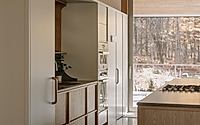
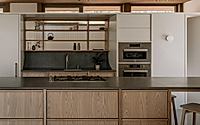
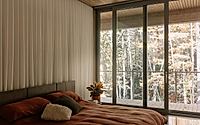
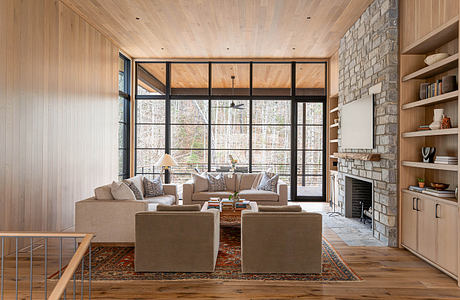
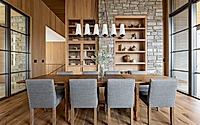
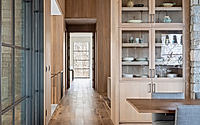
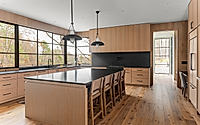
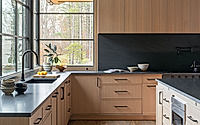
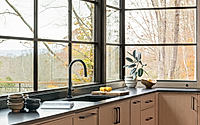
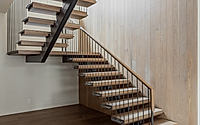
Holler House interior sets a warm, modern tone for a family house in NC, United States, crafted by Robinson Design Studio. Within a timber-lined shell, large black-framed windows pull the surrounding woods into every room, while stone, metal, and soft textiles keep the palette grounded and calm. The interiors prioritize easy daily living, generous gathering rooms, and a quiet visual rhythm that holds steady from kitchen to bedroom.
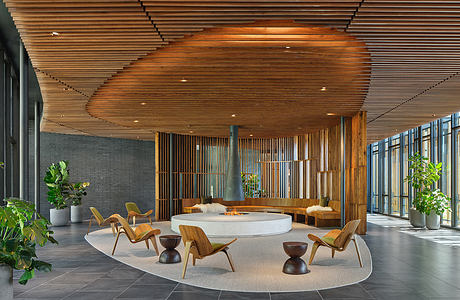
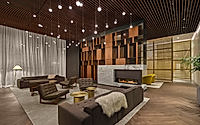
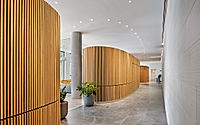
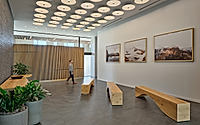
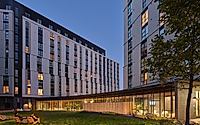
Hygge at The Astrid is a multi unit housing project in Bethesda, MD, United States, crafted by The Lighting Practice with a distinctly Scandinavian sensibility. Across lobbies, lounges, and shared amenities, warm timber, soft upholstery, and nuanced lighting create a calm counterpoint to the bustle of the surrounding city. Residents move through a series of gentle transitions that keep everyday rituals grounded, bright, and quietly social.
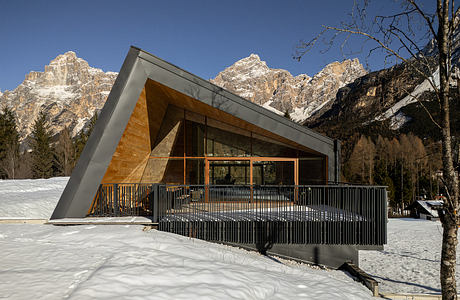
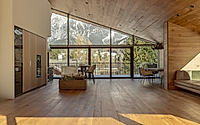
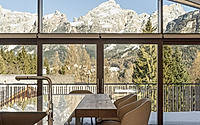
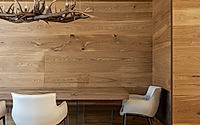
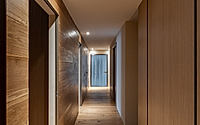
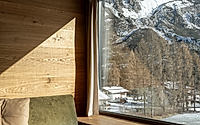
Chalet Cristallo stands on a steep slope above Cortina d’Ampezzo, Italy, where 3ndy Studio shapes a contemporary alpine house against the Dolomites’ jagged skyline. The project organizes life across two terraced levels, tucking bedrooms and wellness rooms into the ground while lifting a glazed living floor toward the view. Inside, a continuous timber envelope and measured furnishings create a calm, warm counterpoint to the snow and exposed rock outside.
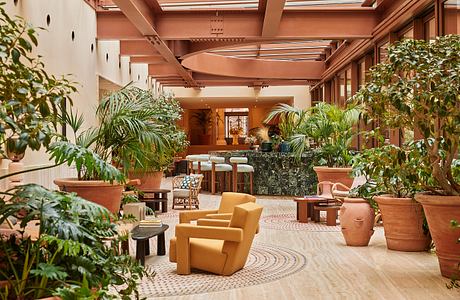
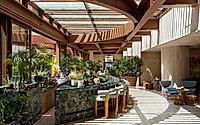
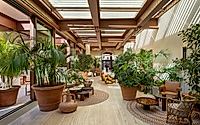
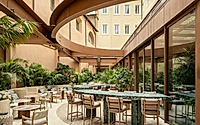
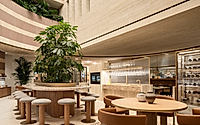
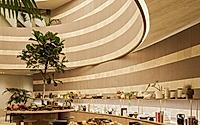
Six Senses Rome occupies a 15th-century palazzo in Rome, Italy, transformed by designer Patricia Urquiola into a contemporary hotel rooted in wellness and urban ritual. Guests move between restaurant, spa, courtyards, and rooftop terraces as la dolce vita unfolds in a series of tactile, plant-filled rooms that frame the Eternal City. Soft light, generous planting, and calm geometry set a restorative tone from arrival.
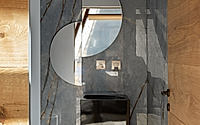
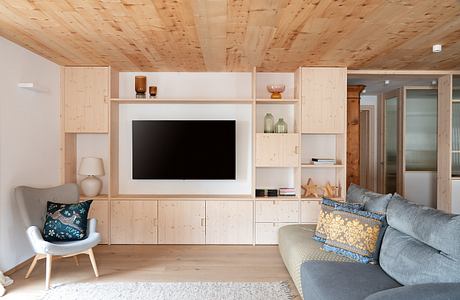
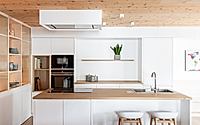
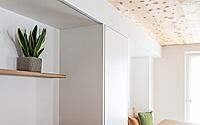
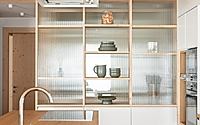
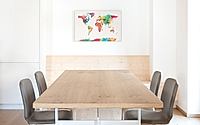
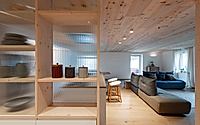
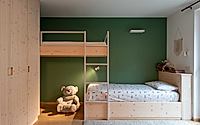
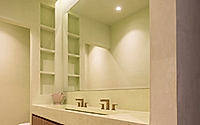
Casa C+S is a renovated apartment in Bormio, Italy, reimagined by GiB Studio from two adjoining units into one cohesive home. The project opens up the former maze of rooms into a generous living area facing southeast, while a quiet northwest wing gathers the bedrooms and baths. Local timber, pale surfaces, and custom joinery give this contemporary interior a distinctly Alpine character and a quietly warm everyday rhythm.
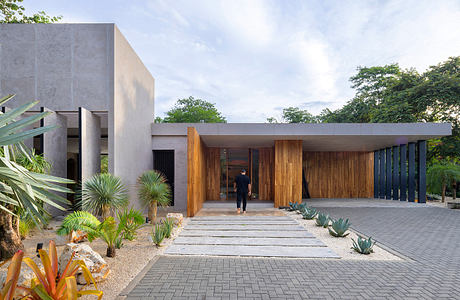
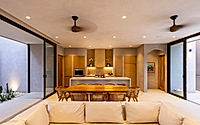
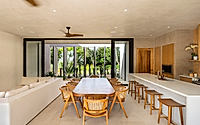
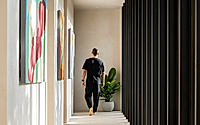
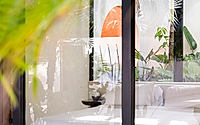
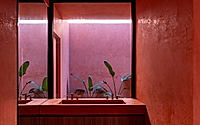
Seis Patios House sits in Guanacaste Province, Costa Rica, as a single-family residence by VOID that turns everyday life toward patios, air, and vegetation. Organized as a livable gallery for an art enthusiast, the house threads color, local materials, and six planted courtyards into a fluid daily routine where rooms open to water, shade, and art-filled walls. Light and ventilation guide how the home is used, not just how it looks.
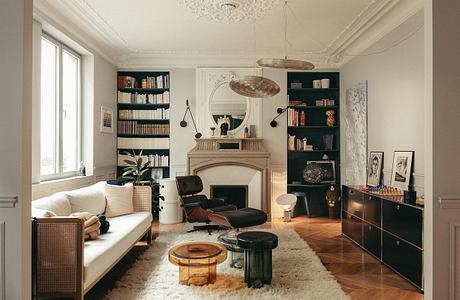
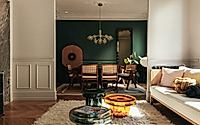
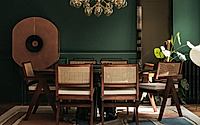
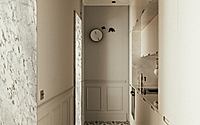
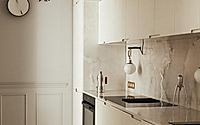
Alsace opens onto the quays of Gare de l’Est, a compact Paris, France apartment reworked by Studio Patrick Martins. Generous ceilings, original moldings, and a monumental marble fireplace set a historic frame for a new sequence of rooms that favors reception. Within this 55 sqm shell, a precise intervention pulls the kitchen to the entrance and tucks the bedroom deeper inside, turning everyday circulation into a quiet choreography.