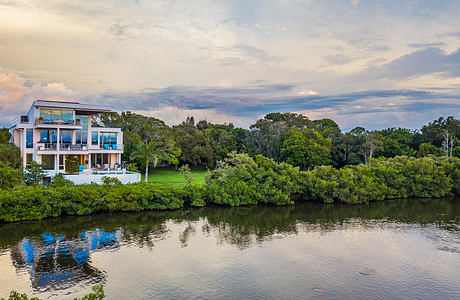
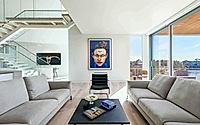
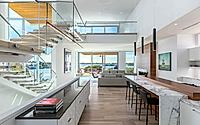
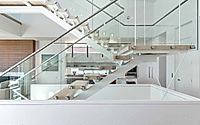
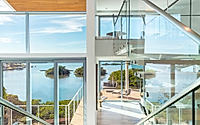
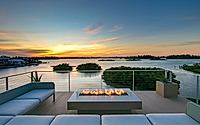
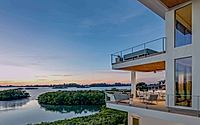
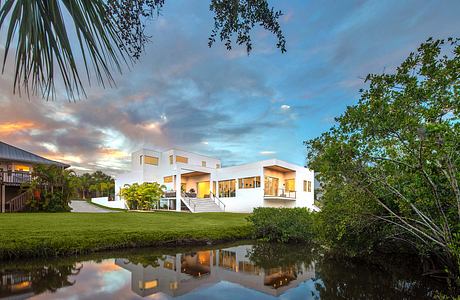
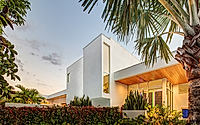
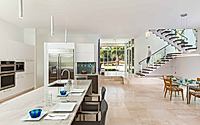
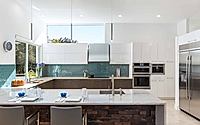
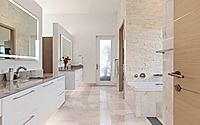
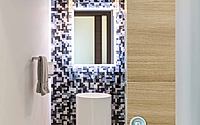
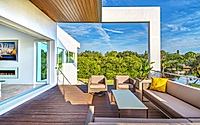
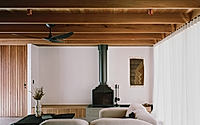
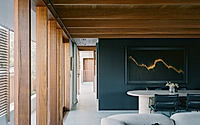
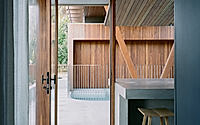
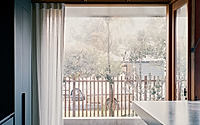
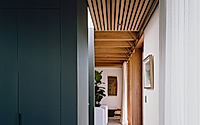
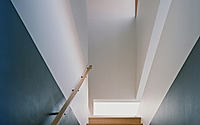
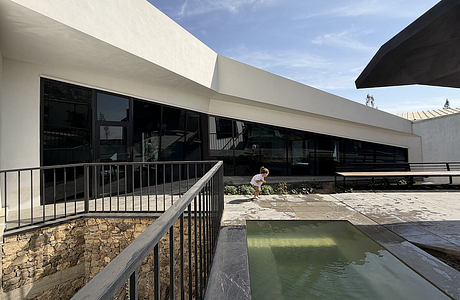
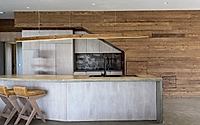
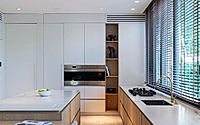
Element House is a house in Sarasota, FL, United States, by SOLSTICE Planning and Architecture. Set on a narrow lot in a flood zone on Sarasota Bay, it answers tight site constraints with an upside-down plan that lifts the social rooms above the ground floor. Views, daylight, and passive comfort shape the home from the start.
TreeTop House sits on half an acre in Longboat Key, Florida, where SOLSTICE Planning and Architecture shapes a compact family house around creek views and privacy. The 2017 design answers a suburban site with a restrained plan, a water entry, and long sight lines that keep the rooms connected to the landscape. Inside, light, ventilation, and durable materials support everyday living and entertaining.
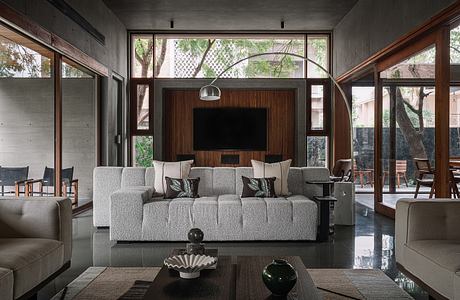
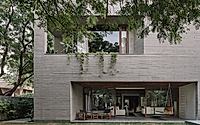
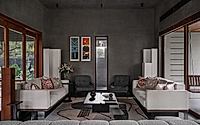
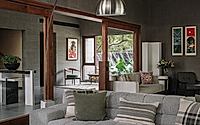
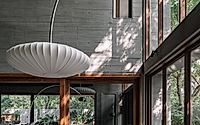
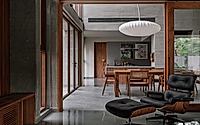
MS House by Studio Saransh rises among nine mature neem trees in Ahmedabad, India, turning a Brutalist concrete shell into a porous, climate-aware family home. The architects organize the house around a central double-height bay that frames the canopy, threading courtyards, verandahs, and shaded terraces so daily rituals stay in step with breeze, filtered sun, and the soft acoustics of water.
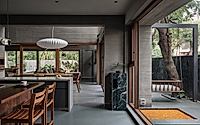
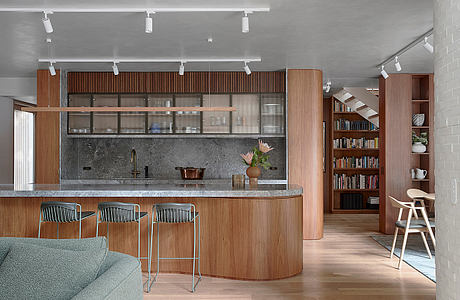
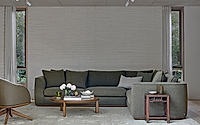
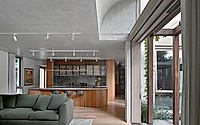
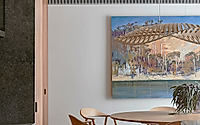
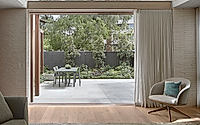
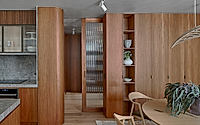
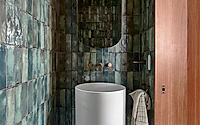
Allegato anchors a new house in Toorak, Australia, as McMahon and Nerlich translate a personal journey into a place of stillness and light. The project threads Māori notions of Wairua with Design; Building on Country principles, tying the home to land, memory, and a carefully tended garden. An L-shaped plan, sculpted roof forms, and material continuity between indoors and outdoors frame everyday life in a way that feels measured and quietly rich.
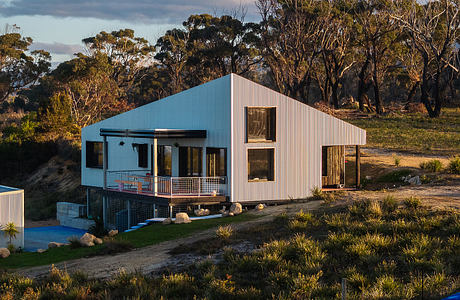
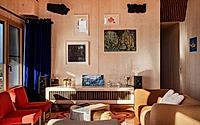
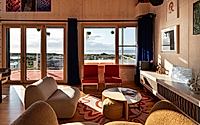
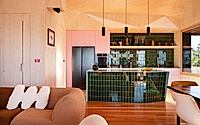
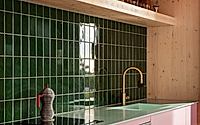
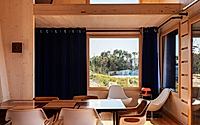
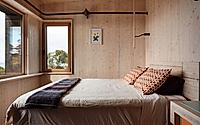
Scamander Passivhaus A stands on the eastern Tasmanian coast as a rigorously sustainable house in Scamander, Australia, by Spectura Studio. The single-level home pairs Passivhaus performance with a relaxed coastal setting, creating a calm domestic rhythm tuned to local light and weather. Inside and out, the project frames a lifestyle where comfort, environmental responsibility, and easy coastal living move together rather than compete.
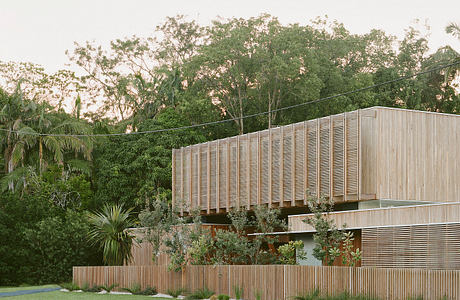
Bangalow Road House stands on a narrow 360m² corner block in Byron Bay, Australia, shaped by Son Studio as a compact, efficient family house. The project responds to tight height and boundary controls with stacked timber volumes and a central courtyard that mediate between a busy street and calm interior life. Within this modest footprint, the house treats light, screening, and climate as core architectural tools rather than add-ons.
Rock Villa stretches along the rocky terrain of Bumehen, Tehran, Iran, reading as an outgrowth of the mountain rather than a conventional house. Raad Group arranges the volumes with care, tucking rooms into the slope while letting upper levels lean toward the center of the site. The project uses landscape, light and reused materials to tie daily life to the climate that surrounds it.
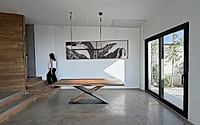
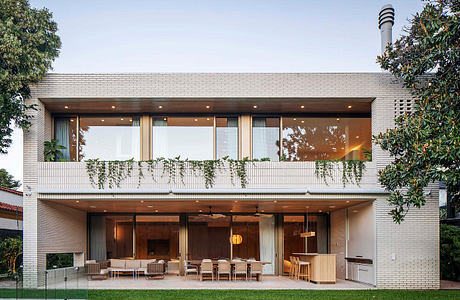
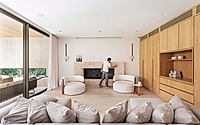
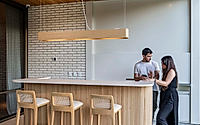
Casa Magnolia stands in San Isidro, Argentina, where dense vegetation and traditional villas frame its pale brick volumes. Designed by Estudio PK – Ignacio Pessagno & Lilian Kandus, the house balances privacy, openness, and a clear material idea rooted in an ecological white brick shell. The result is a contemporary dwelling that folds light, shade, and landscape into a quiet but precise architectural presence.