Flying Vegetation: Organizes Family Life Across Five Elevated Floors
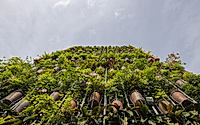
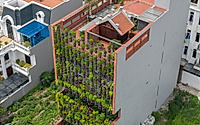
Flying Vegetation is a house in Thành Phố Thái Bình, Vietnam, by H&P Architects. Completed in 2022, it sets a plant-filled screen along the front and back of the building to temper noise and dust while keeping the interior open to the neighborhood garden. The house combines family living with rental floors and shared meeting rooms, using planting to connect daily life with the city around it.
About Flying Vegetation
Flying Vegetation is part of a series that explores an agritecture approach, bringing architecture and agriculture together to create a living environment for the future in the context of global climate change. Across Vietnam, rapid urbanization has weakened rural balance and reduced agricultural land, which has affected sedentary farming and community resettlement.
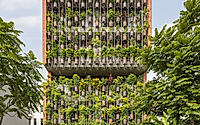
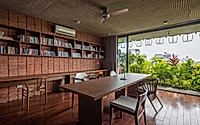
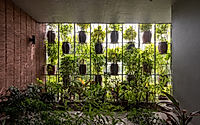
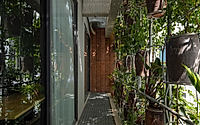
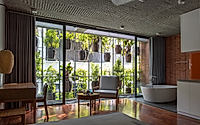
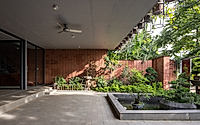
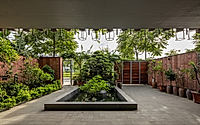
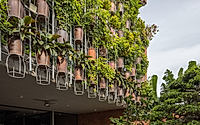
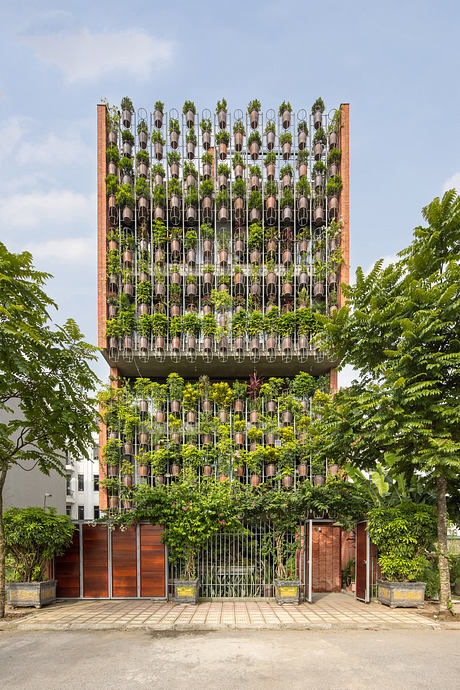
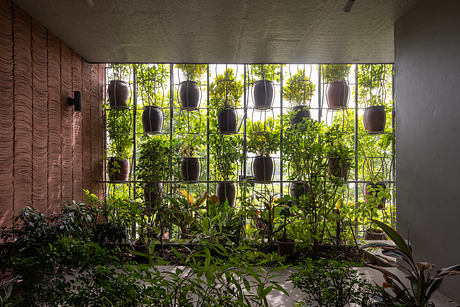
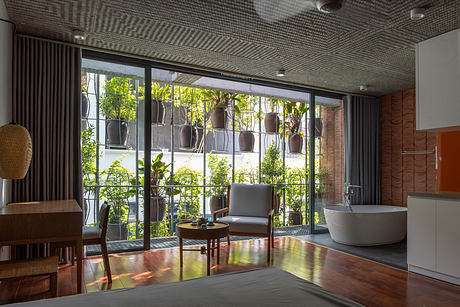
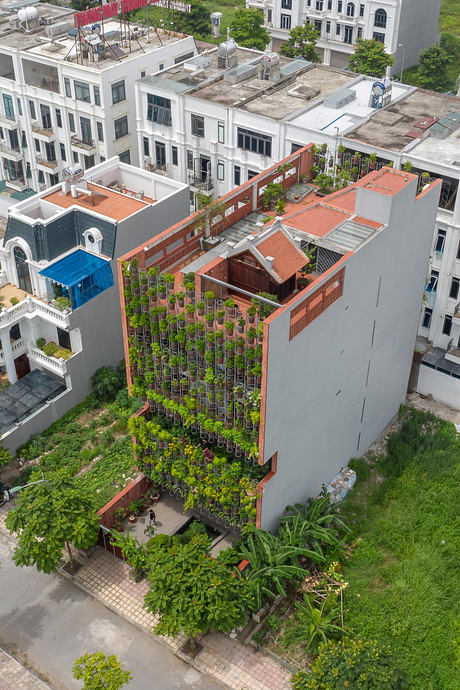
The house stands in a new urban area in Thai Binh city. A common neighborhood garden sits in front of the site, and that setting gives rise to a vegetation screen that acts as a private buffer for daily life. It softens noise and dust while staying open enough for the owners to enjoy the greenery beyond.
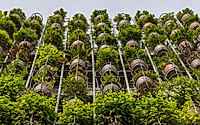
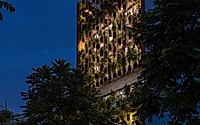
The screen appears to float in the air, blurring the boundary between building and landscape. The effect suggests life in a forest or beside rice fields, even as the house remains firmly within the city.
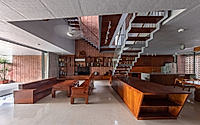
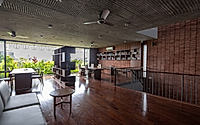
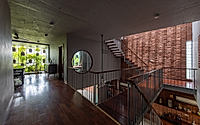
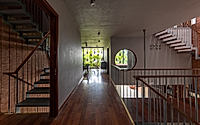
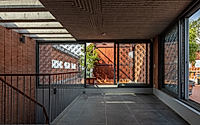
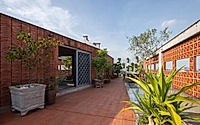
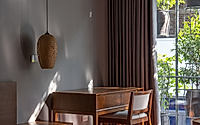
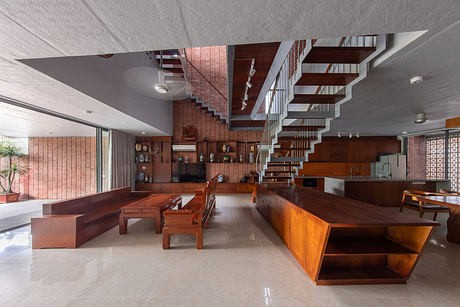
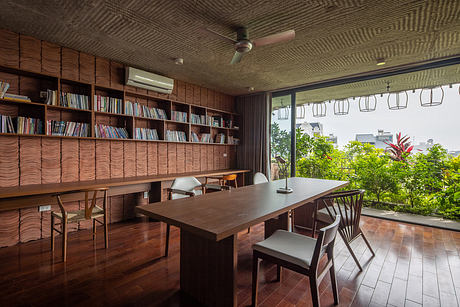
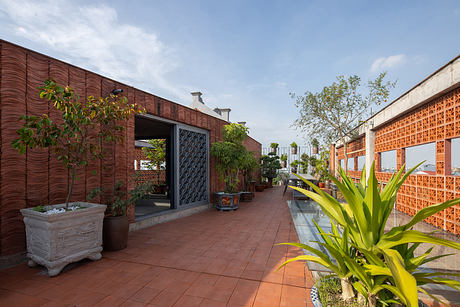
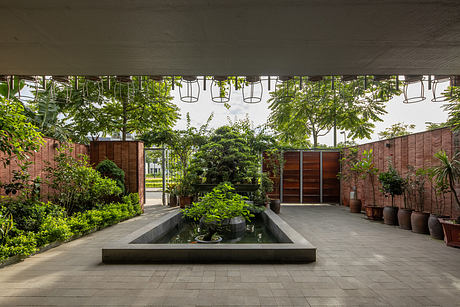
The first three floors serve residential use, while the fourth and fifth floors are for rent. The project operates in a spirit of sharing, with a non-profit approach to life between owners and tenants. The third floor and the roof also work as multifunction meeting areas for people living on each level.
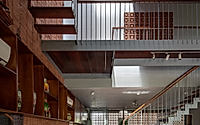
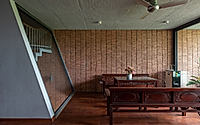
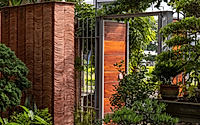
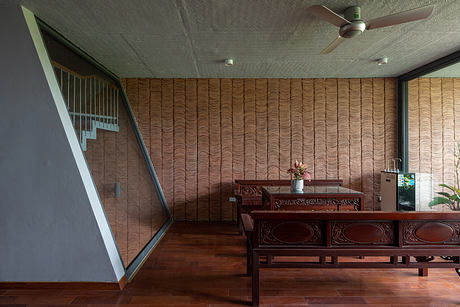
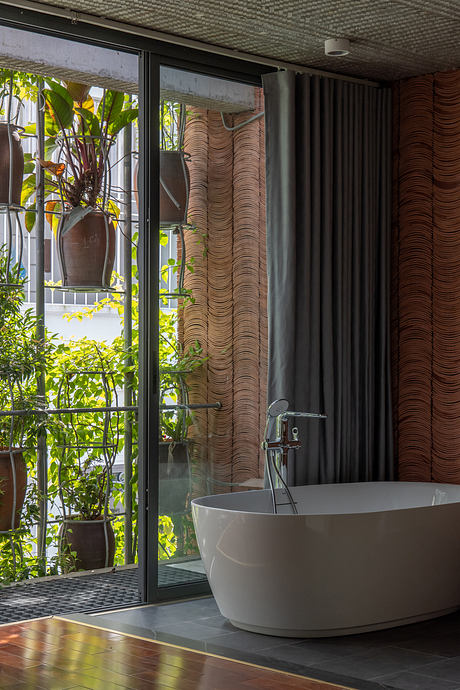
The owners are deeply interested in plants and understand trees and soil as two basic materials familiar across cultures. Trees provide the planting system, while soil points to the making of tiles and ceramic jars from raw materials. Together, they connect people from many continents within one house.
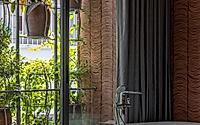
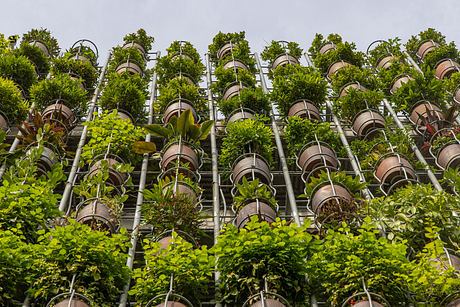
At the front and back, hanging pots run in endless vertical columns that seem to hover. The frame system can open and close where the pots are set, making maintenance and replacement possible when needed. The pots are spaced in an alternating rhythm so the plants can grow well.
Daily life gains a different pace through planting, care, and the sharing of vegetables with neighbors. Home-based farming also brings city residents closer to nature and to the countryside, linking the house back to a sense of homeland. In that form, the project points toward a model that could spread as fields inside the city and provide green living with food for everyday use.
Photography by Le Minh Hoang
Visit H&P Architects