Lebenski Recasts A Tatra Sanatorium Into Calm Mountain Apartments
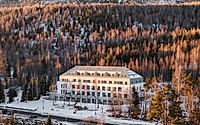
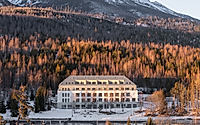
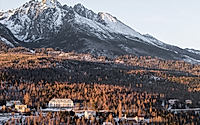
Lebenski stands on the edge of the forest in Stary Smokovec, Slovakia, where the High Tatras rise behind a once-neglected modernist sanatorium. Reimagined by Atrium Architekti as a contemporary hotel-style apartment building, the project balances strict park regulations with an insistence on quiet clarity. Guests now look out over the Horný Smokovec valley from a structure that keeps its familiar outline while updating its mountain character for a new generation of visitors.
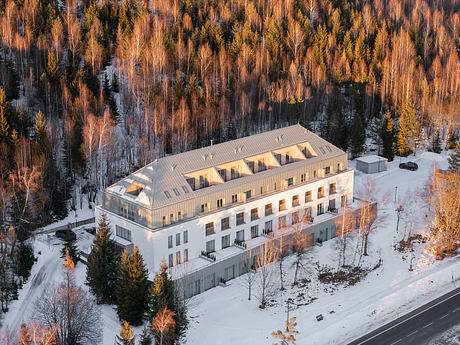


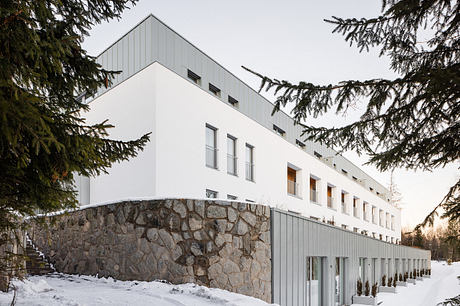

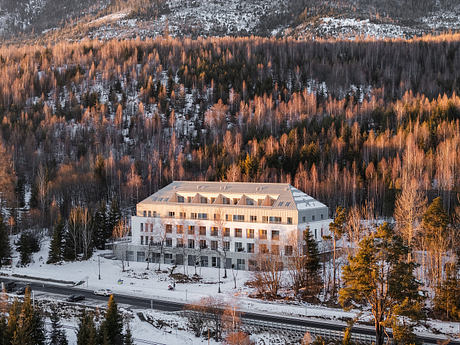
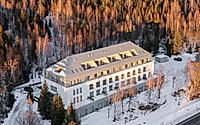
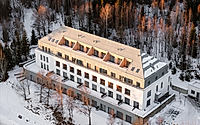
Morning light catches the hip roof and zinc-titanium cladding before slipping down to the granite plinth and grass-grid parking. From a distance, the volume reads as calm against the dark mountain forest while the High Tatras frame its long elevations in clear, sharp layers of stone and sky.
Lebenski is a hotel-type apartment building in Stary Smokovec, Slovakia, reworked by Atrium Architekti from a derelict 1960s sanatorium into contemporary vacation housing. The project sits within the TANAP National Park rules and the town’s regulations, so every move works within a tight envelope. At its core, the work is about transforming a familiar outline rather than replacing it, turning an obsolete medical facility into a residential building that still belongs to the local mountain architecture.
From Sanatorium To Landmark
The original Nový život sanatorium stood here as a reinforced concrete bar, gradually losing both function and architectural quality since the 1990s. Bukna & Laurinčík acquired the deteriorated structure and, in 2023, set in motion a complete transformation into apartments instead of pursuing demolition. Atrium Architekti kept the load-bearing skeleton but stripped the three-story frame to its essentials, then recalibrated the interior to support new layouts and increased capacity. The building’s position in the Horný Smokovec locality, aptly called Pekná vyhliadka, still makes it a visible landmark from Poprad.
Reworking Structure And Roof
The reconstruction begins with structure: engineers reworked the reinforced concrete frame, particularly in the attic and basement, to carry new residential loads. Converting the basement into habitable levels, including areas beneath a redesigned terrace, required extending that terrace on both sides and adding a new system of foundations. Apartments in these lower levels now run as two-level units to achieve generous clear height, turning what was once service lower ground into valuable living area. Above, the former gable roof gives way to a hip roof extension that feels firmly rooted in traditional mountain architecture.
Extending Views And Thresholds
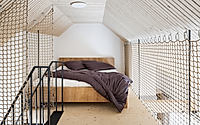
The new hip roof holds maisonette apartments with living galleries and recessed terraces oriented to the south. Residents step out into sheltered outdoor rooms that catch sunlight and frame long views toward the High Tatras peaks. Around the perimeter, added balconies and loggias punctuate the façade, setting up a regular rhythm of private thresholds between interior comfort and mountain air. Enlarged windows on every level deepen that connection, pulling the landscape into daily routines and reinforcing the building’s role as a vantage point rather than an isolated block.
Materials Rooted In Terrain
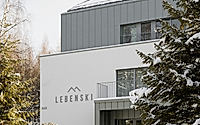
Material decisions tie the renewed structure back to its setting without resorting to nostalgia. Zinc-titanium cladding wraps the third floor and attic in a crisp, weather-ready skin that sits above rendered façades on the first and second floors. At ground level, the plinth made of massive granite blocks, about 40 cm deep, returns in full force after a laborious process of dismantling and re-laying each stone. That decision carried a significant financial cost, yet it restores a tactile base that meets the terrain with weight and texture rather than thin finishes.
Interior Framework And Daily Use
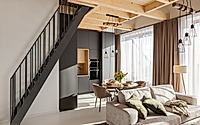
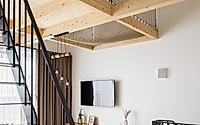
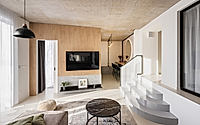
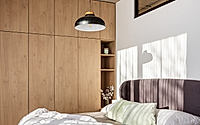
Inside, Atrium Architekti define the bones rather than every furnishing choice, setting layouts, heights, and key elements for varied apartment types. Smaller units sit alongside maisonettes with gallery levels, giving owners different ways to occupy the building through short stays or longer seasonal use. Neutral colors, light floors, and wood surfaces create a calm interior framework that individual owners can adapt without fighting a strong imposed style. Everyday access is pragmatic: grass grid paving manages parking, while the nearby Tatra Electric Railway station, less than 100 meters away, connects residents to other resorts and express trains to Poprad.
In the end, the mountain air, forest edge, and long views do as much work as the structural interventions. The familiar silhouette stays in place, yet the building now carries new life as housing aligned with contemporary travel habits. Under the hip roof and above the restored granite, Lebenski quietly folds an obsolete sanatorium into the ongoing story of High Tatras architecture.
Photography by Matej Hakár
Visit Atrium Architekti