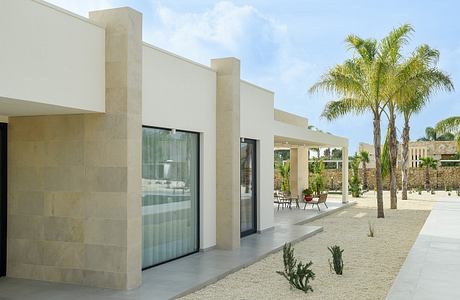
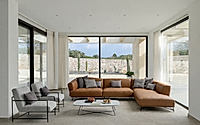
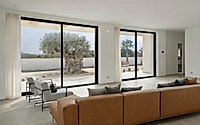
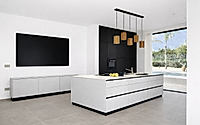
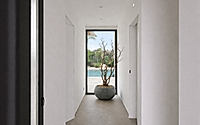
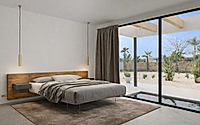
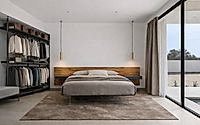
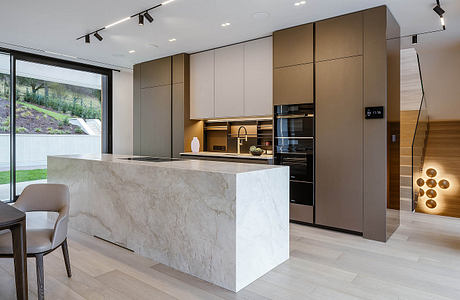
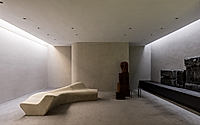
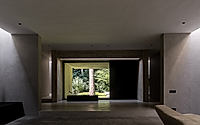
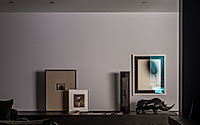
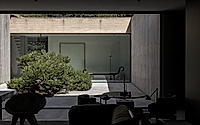
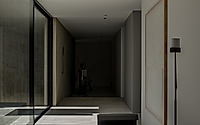
House P02 unfolds as a low, linear house in Avola, Italy, where concrete, stone, and water organize daily life under decisive Mediterranean light. Designed by Paolo Florio, the single-level villa reads as a sequence of orthogonal volumes, deep pergolas, and reflective pools that sit close to the ground. The result is a rigorously composed home that ties structural clarity to the rhythms of outdoor living around its garden and water courts.
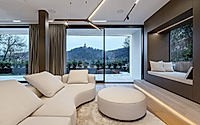
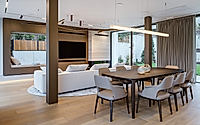
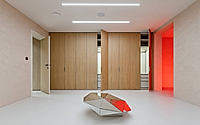
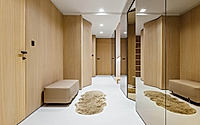
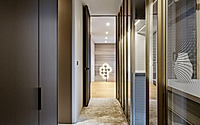
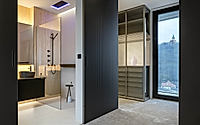
Block House: Interior sits within a three-level house in Prague, Czechia, where Studio MA works directly with the sloping terrain of Šárecké Valley. The project refines everyday living with clear geometry, long views and a restrained material palette that connects the main living floor, the private spa level and the roof-terrace bedrooms into one continuous experience. Calm light, durable finishes and precise proportion drive the atmosphere throughout the home.
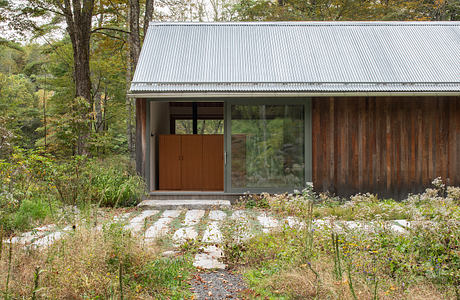
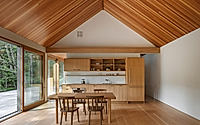
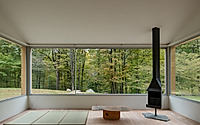
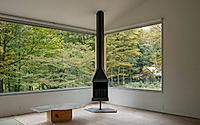
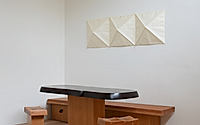
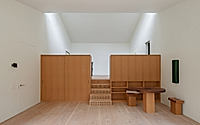
Studio & Guest House sits in the woods near Accord in New York, United States, where Neil Logan, Architect reworks two modest structures into a paired retreat. The project turns an existing house and storage building into a dedicated studio and guest house, holding onto their footprints while stripping back interiors to calm, timber-lined rooms. Light, material, and measured openings guide the experience from arrival to deep in the trees.
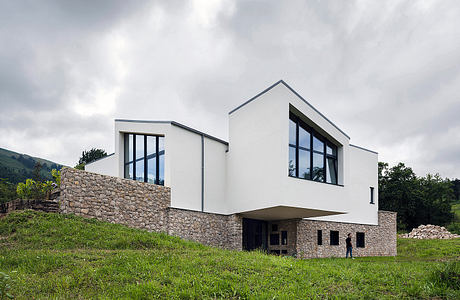
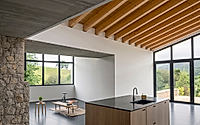
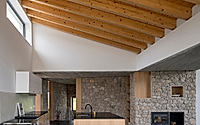
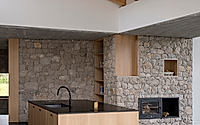
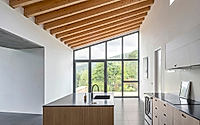
ST House stands on a sloping hillside in Spain, where Roberto Lebrero works with the terrain to frame long views and precise interior rhythms. Conceived as a house for three siblings, the project breaks the domestic brief into distinct volumes that drift across the slope, tying private life, shared rooms, and the surrounding valley into one measured composition.
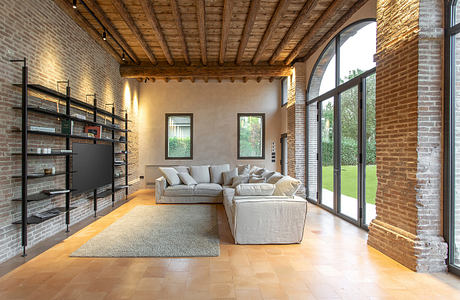
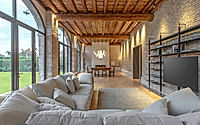
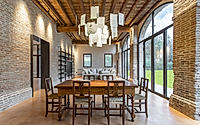
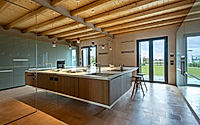
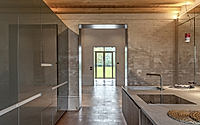
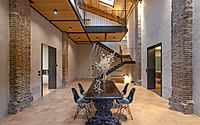
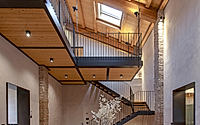
The restoration and redevelopment of a barchessa in Mantua transforms an abandoned agricultural building into a refined and spacious home in Mantua, Italy. Architect Giulia Prandi works with the existing brick structure, adding new steel and wood elements to organize family life while keeping the original rural character intact. The result is a peaceful home environment, where the historic masonry, warm light, and measured contemporary interventions interact harmoniously.
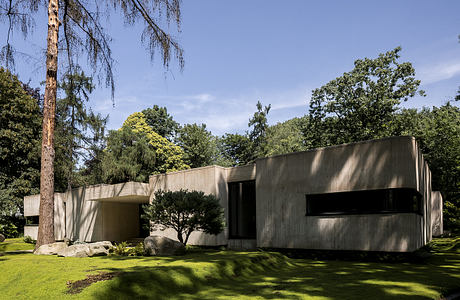
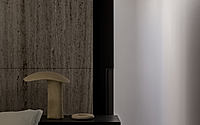
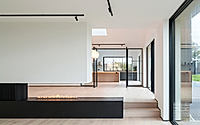
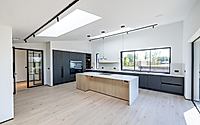
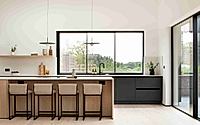
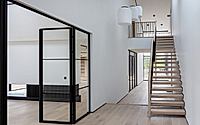
PAVILION SESTIG stands in Belgium as a Modernist pavilion reassessed by architect Glenn Sestig for both work and living. The project turns an existing concrete structure in Deurle into the headquarters for Glenn Sestig Architects and the shared home of Sestig and his partner Bernard. Calm proportions, a restrained material palette, and an inward-looking courtyard bring domestic life and studio practice into a precise, shared setting.
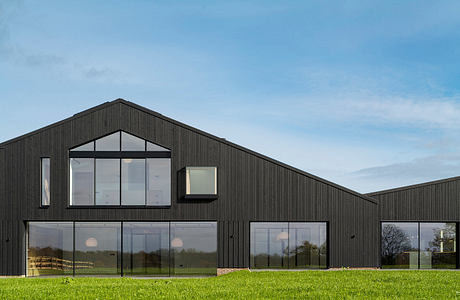
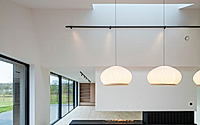
Hartdene Barns gathers nine new houses in Edenbridge, United Kingdom, where Nissen Richards Studio translates a once-derelict dairy farm into carbon-net-zero rural living. The development folds barn silhouettes, advanced fabric construction, and a rich material palette into luxury homes that retain the memory of agricultural life while committing to RIBA Climate Challenge 2025 criteria. Each dwelling treats landscape, structure, and finish as part of one precise, low-carbon vision.
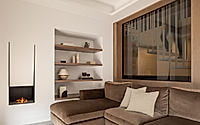
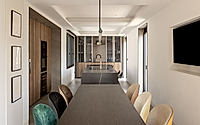
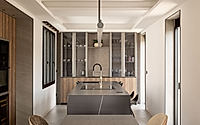
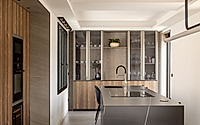
GvGB sits atop a historic avenue in Bilbao, Spain, where BI (Bilbao Interiorismo) reshapes a corner penthouse apartment into a layered home above the rooftops. The duplex renovation separates day and night levels while opening every major room toward the terrace and the horizon of chimneys, facades, and sky. Neutral tones, honest materials, and custom-made furniture bring quiet order to an interior that stays in constant dialogue with the city outside.