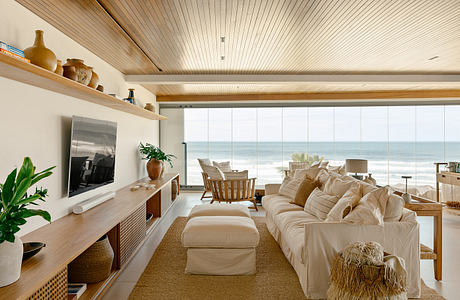
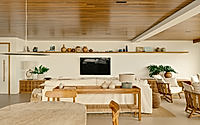
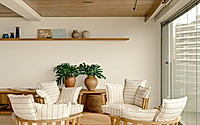
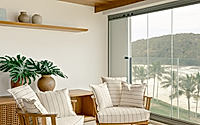
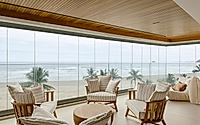
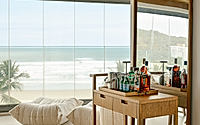
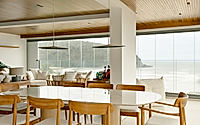
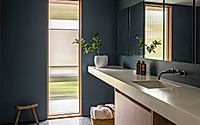
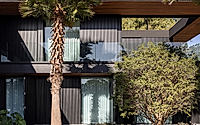
Riviera Apartment sits above the beach in Bertioga, Brazil, where Marina Salles shapes a coastal home around soft light, sand tones, and unbroken sea views. This apartment unfolds as a relaxed retreat, balancing Brazilian authenticity with a gentle Mediterranean mood for a couple who wanted comfort and practicality without losing the warmth of a lived-in seaside address.
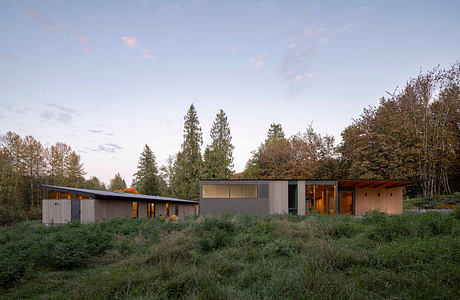
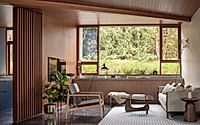
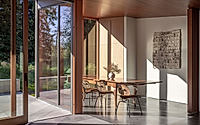
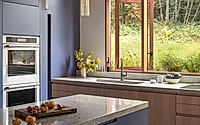
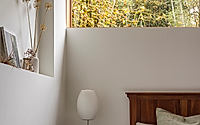
French Creek Workshops House sits beside a wetland in Snohomish, WA, United States, where Wittman Estes shapes a low, calm house for a newly retired couple. The single-level residence folds studios, gardens, and water into a daily routine that supports aging-in-place and welcomes multigenerational visits without drama. Every room orients toward making, resting, or watching the seasons change across the layered landscape.
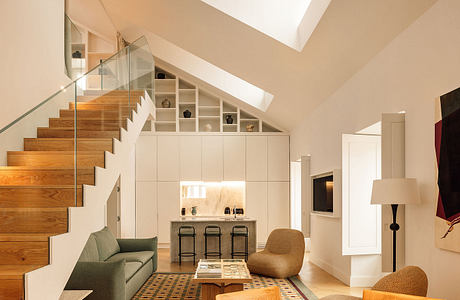
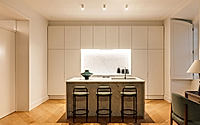
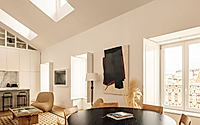
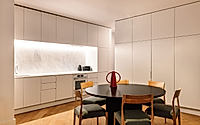
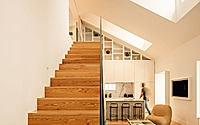
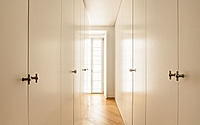
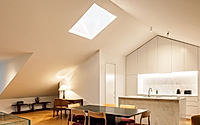
Prédio Fanqueiros 156 returns a rare surviving apartment building in Portugal to architectural clarity under the hand of João Tiago Aguiar. Behind its restored envelope, the project uncovers historic structure, Pombaline commercial depth, and calm domestic rooms where new interventions negotiate with centuries-old fabric. Every move stays measured, so memory, light, and proportion regain control of the everyday routines threaded through this rehabilitated urban dwelling.
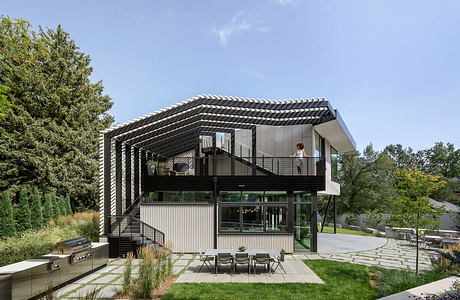
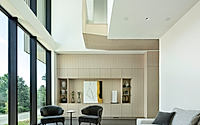
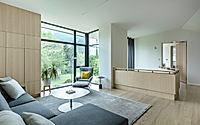
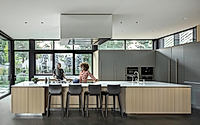
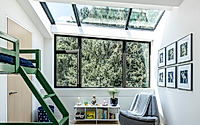
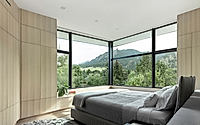
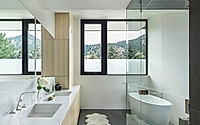
Vergence House anchors a sloping site in Boulder, CO, United States with a crisp, geology-driven form by Arch11. The house translates erratic stones and tectonic folds into a layered envelope that mediates between neighborhood fabric and the Flatirons beyond. Here, a complex brief for rest, work, play, and self-sufficiency folds into one near-net-zero residence tuned closely to its immediate terrain.
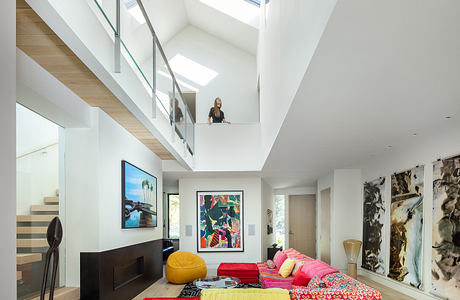
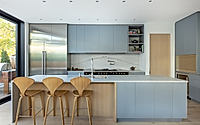
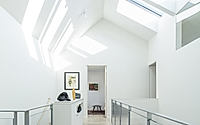
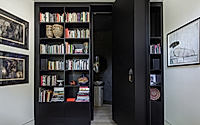
Ludica opens to Boulder, CO, United States with a burst of light and color, a modern house by Arch11 tuned to urban scale and domestic ritual. Inside, art, furniture, and daylight work together so every room performs as gallery and living quarter, shifting from quiet daily use to social evenings with ease.
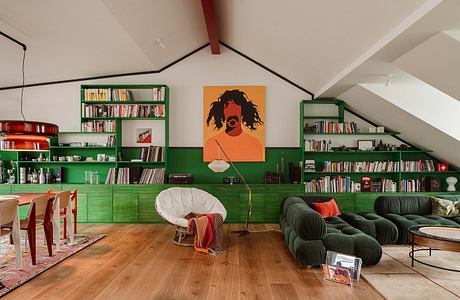
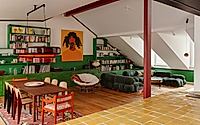
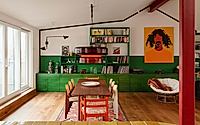
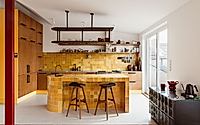
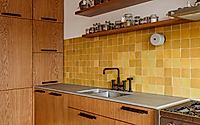
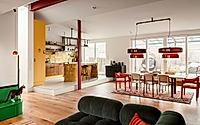
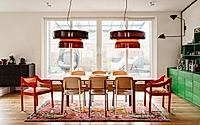
Chroma Penthouse unfolds across the roofline of a Kreuzberg residential building in Berlin, Germany, where Studio Bosko crafts a home around unapologetic color. The penthouse interior translates a young couple’s wish for “as little white as possible” into a vivid, primary-hued environment that assigns each room its own chromatic identity. Bright yet precise, the project turns an open plan into a richly legible home for living, working, and gathering.
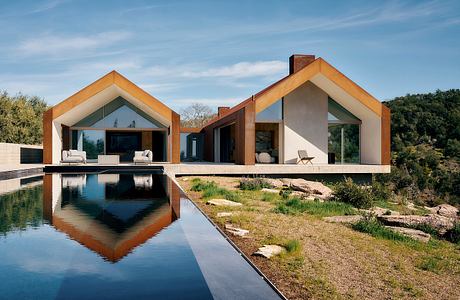
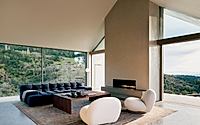
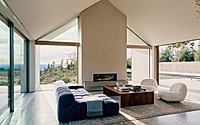
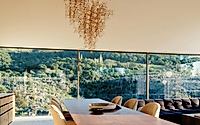
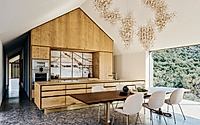
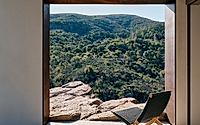
Amnesia House sets a low, steady line against the foothills of Napa Valley, California, United States, its form shaped by Garde Hvalsøe with Edmonds + Lee Architects. Conceived as a single-storey house for San Francisco clients seeking a counterpart to urban life, the project leans into resilient materials and crafted interiors. The result is a calm retreat where wildfire-conscious construction, Danish cabinetry, and the raw terrain hold equal weight in the daily rhythm of use.
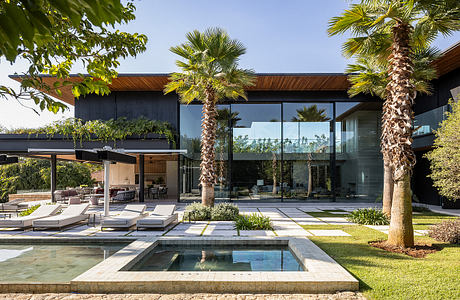
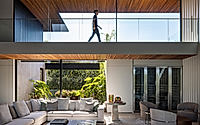
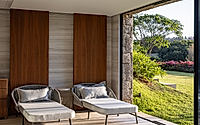
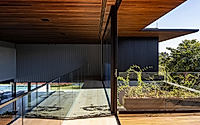
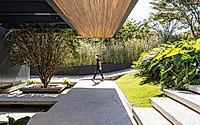
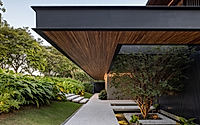
FD House sits in Porto Feliz, Brazil, as a vacation house by Padovani Arquitetos composed around an L-shaped plan and far-reaching views. The project drops below street level to frame water, sky, and landscape while reserving the upper volume for more private daily rhythms. Across its open social core and broad eaves, the house invites friends and family into a relaxed, quietly cinematic setting.