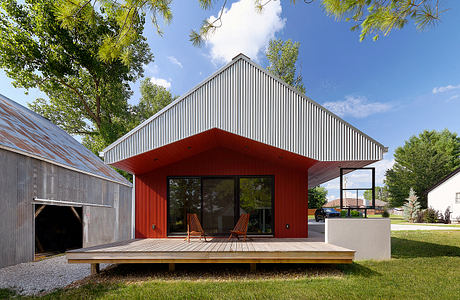
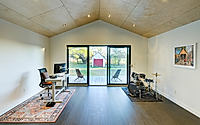
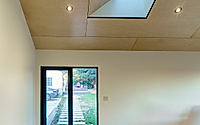
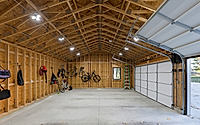
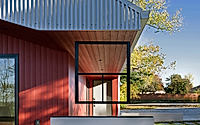
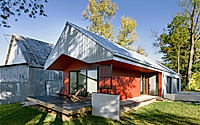
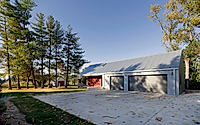
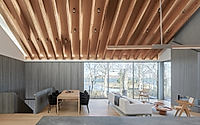
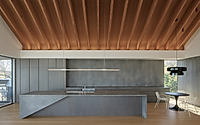
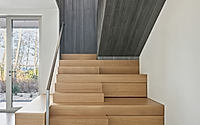
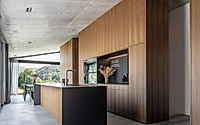
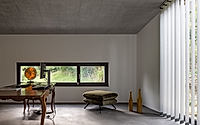
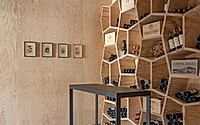
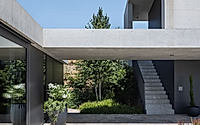
PatchWorked sits on a family farmstead in Nixa, MO, United States, by Dake Wells Architecture, recasting familiar outbuildings as a compact house-scale outpost for daily life. The project folds a detached garage and office into one elongated volume, giving these soon-to-be empty nesters a clear divide between work and home while staying rooted among older barns and open fields. Inside and out, the building tracks the rhythms of remote work, chores, and quiet evenings outdoors.
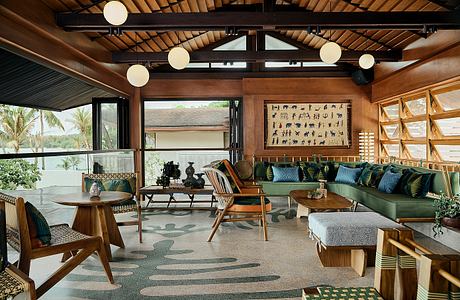
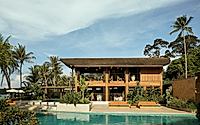
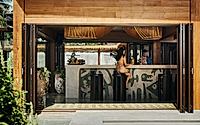
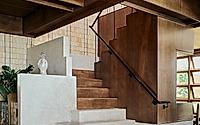
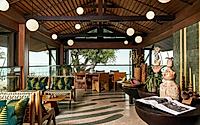
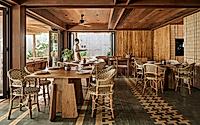
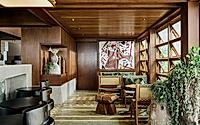
Laku Beach Club transforms a former vacation house on Coconut Island in Phuket, Thailand into a spirited bar and nightclub by Studio Locomotive. The project draws on the songs, rituals, and resourceful building culture of local sea people, translating that heritage into rich materials and crafted interiors. Guests move between poolside terraces and layered rooms where natural hues, tactile surfaces, and indigenous references set a vivid yet grounded coastal mood.
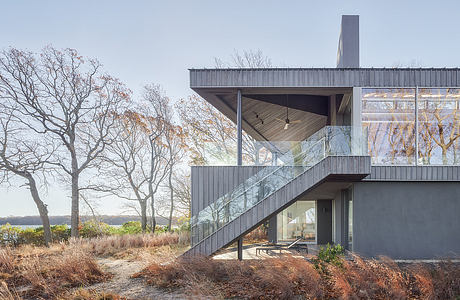
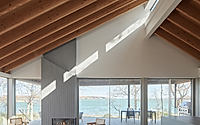
Osprey House anchors the tree line of Shelter Island, NY, United States, where Desai Chia Architecture works with a local builder to frame the edge of Mashomack Preserve. The house reverses the usual domestic order, lifting family life toward the marsh and opening broad views over Cedar Island Cove. Inside and out, the project uses material calm and careful sightlines to keep nature in constant view.
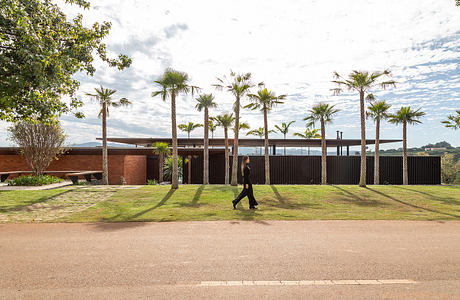
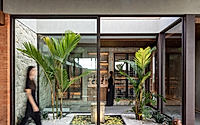
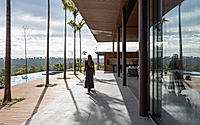
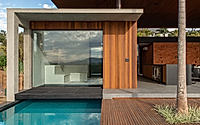
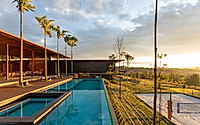
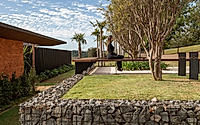
GM House settles into the hillside of Quinta da Baroneza, SP, Brazil, as a low horizontal house by Padovani Arquitetos for a young family. The project stretches along the natural slope, drawing the eye toward wide countryside views while a deep metal roof and warm materials pull everyday life outdoors. Inside and out, the architecture leans on clear lines and tactile surfaces to keep the setting at the center.
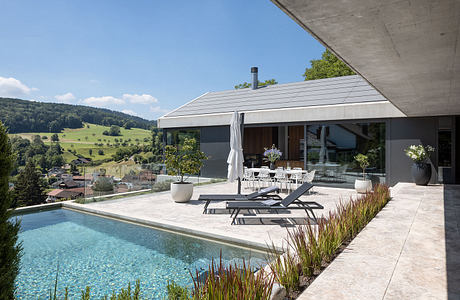
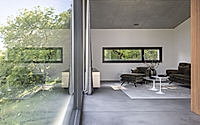
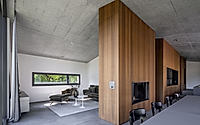
House Sonneggstrasse steps out over the green valley in Seewen, Switzerland, where Beck Oser Architects arrange two pitched-roof volumes along a steep hillside. The concrete house unfolds around a broad terrace with pool, drawing daily life toward the view while quieter rooms settle into the slope below. Simple materials, calm furnishings, and crisp openings keep the focus on light and landscape.
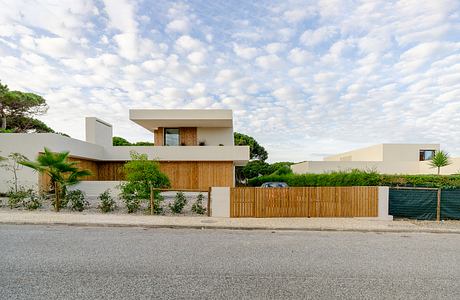
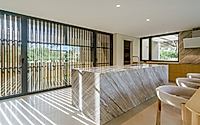
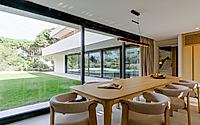
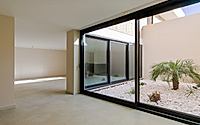
Casa Nau 64 settles beside the Óbidos Lagoon in Portugal, where [i]da arquitectos aligns the house with stone pines and wind off the water. The project organizes a single-family house into measured horizontal layers that answer sun, shelter, and garden in equal measure, turning a tight coastal plot into a quiet, outward-looking retreat.
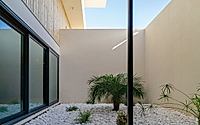
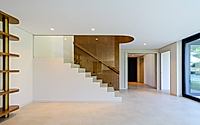
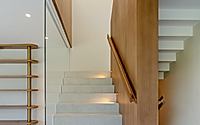
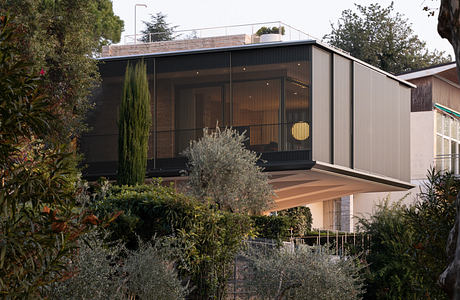
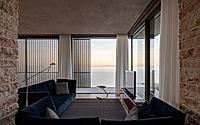
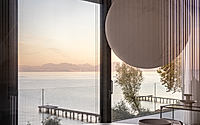
Villa EF unfolds along the shoreline of Bardolino, Italy, where Depaolidefranceschibaldan Architetti revisit a 1960s holiday house with a calm, contemporary attitude. The reworked villa grows out of the hillside in three volumes, tying lake, garden, and interior rooms into one extended sequence of terraces and loggias. Stone, glass, and soft green metal set a measured tone that lets the surrounding olives and water carry the scene.
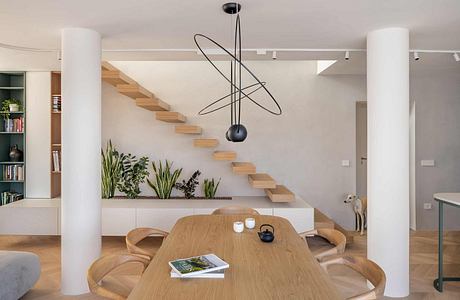
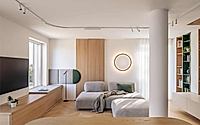
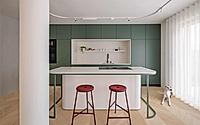
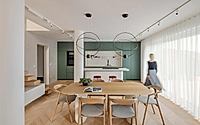
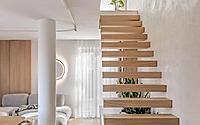
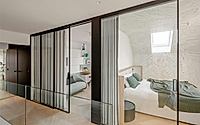
Verdea is a modern house in Logatec, Slovenia, designed by Vivijana Zorman as an open, flowing home for contemporary living. Soft green cabinetry, pale timber floors, and light-drenched rooms connect across two levels, giving the semi-detached structure a calm, continuous character. Throughout, carefully placed furniture and built-in elements keep each room generous yet intimate. Glazing, columns, and a sculpted stair guide movement while preserving clear views between social zones.