Casa Bay by Hasan Ayata Design Studio
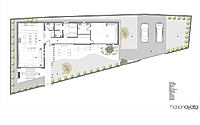
Casa Bay stands on the skirts of Mount Erciyes in Kayseri, Türkiye, where Hasan Ayata Design Studio shapes a compact house around demanding weather and open ground. Two interlocked volumes in different heights organize daily life, pairing a high, sloped living room with low, quiet resting areas that all step directly into the garden. Natural finishes and a tight plan keep every corner in use while holding close to regional materials.
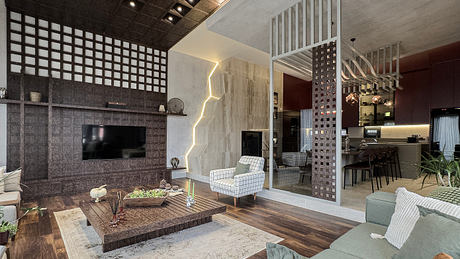
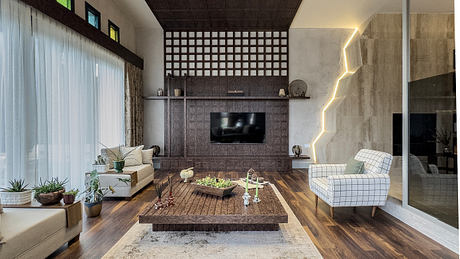
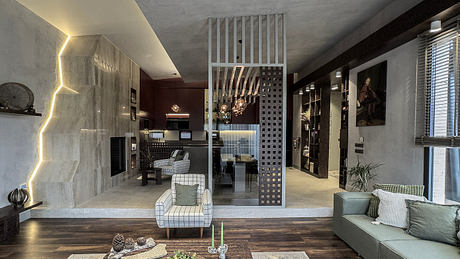
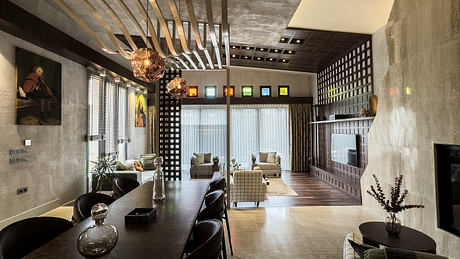
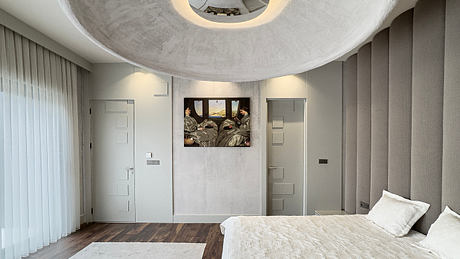
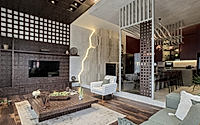
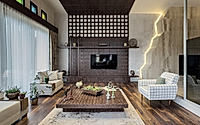
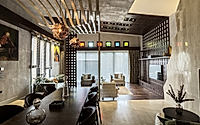
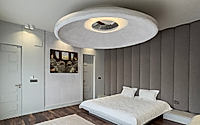
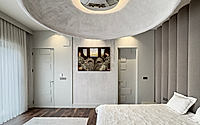
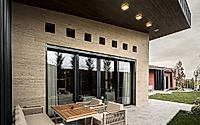
Light falls across the travertine wall and catches the edge of the sloped ceiling before slipping down toward the garden doors. Inside, compact rooms press close to the landscape, so even a short walk from living area to terrace feels tied to the mountain air.
This house in Kayseri sits on the skirts of Mount Erciyes, planned as a 155 m2 (1,668 sq ft) residence shaped by harsh winters and strong sun. Hasan Ayata Design Studio organizes the program around two volumes of different heights, using the interior palette to link living and resting zones. The throughline is simple: every room stays functional, attuned to climate, and grounded in stone, earth, and warm wood.
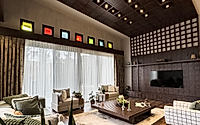
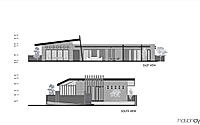
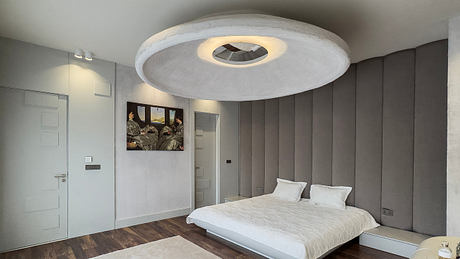
Winter reads as a design brief here — harsh temperatures and exposed slopes shape how the house holds light, mass, and threshold. One taller volume gathers the living area under a high, sloped ceiling, giving this compact plan a sense of lift and easy circulation. The lower wing carries the resting rooms, where controlled height helps conserve warmth and create a quieter rhythm. Every primary room moves straight out to the garden, so circulation flows horizontally rather than up and down.
Layered Volumes On The Slope
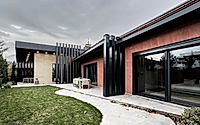
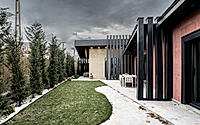
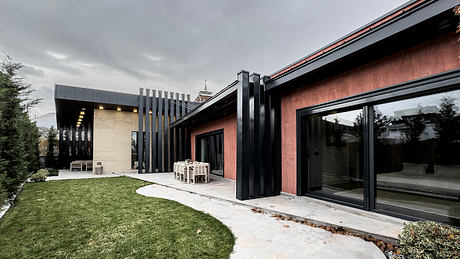
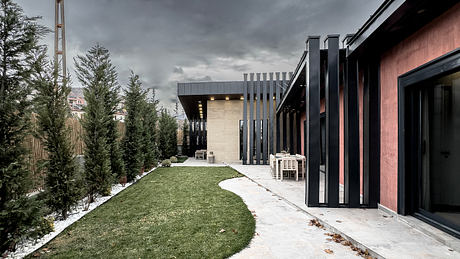
The exterior massing reads as two joined pieces, each with its own height and proportion. One volume stays low and grounded: the resting quarters with a calmer ceiling line. The other rises taller and more open, framing the main living room where the roof pitch draws the eye upward and toward the garden. This difference in volume adds a quiet sense of movement, letting daily routines shift between lofty and close-knit rooms without wasted corridors.
Natural Materials In Dialogue
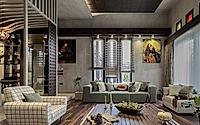
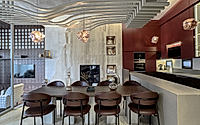
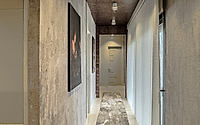
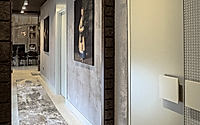
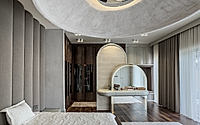
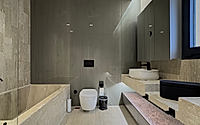
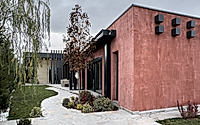
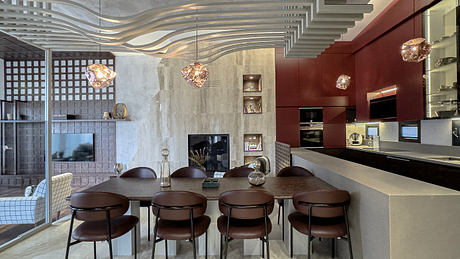
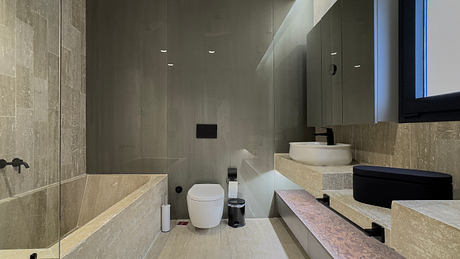
Material choices stay close to the region, with the larger exterior mass wrapped in light travertine quarried from nearby sources. The smaller volume carries specially prepared plaster made from local soil, giving the walls a warmer, earthier tone against the stone. Terracotta shades, black metal details, and natural solid walnut veneer set up measured contrast rather than visual noise. Indoors, the same travertine and earth-colored plaster return alongside root wood veneer, beige lacquer, and burgundy accents, so the palette moves consistently between façade and interior rooms.
Rooms Opening To The Garden
Living and resting zones both connect directly to the outside, so the garden reads less as a backdrop and more as an extension of daily routines. Three distinct garden and terrace areas serve different needs, from quiet retreat to shared gathering, without forcing residents through a single outdoor route. Sliding between interior flooring and exterior ground happens in short, direct steps, which keeps the compact plan feeling generous. No corner is left unused, as furniture and circulation paths track the lines of walls and glazing.
Inside, contrast remains controlled but present, with light stone and plaster balancing the deeper tones of walnut, beige, and burgundy lacquered pieces. Surfaces stay legible under changing daylight, from pale travertine catching the morning to darker wood grounding the rooms toward evening. The plan stays simple, yet the varied heights, materials, and garden edges keep movement through the house active rather than static.
By the time one circles back to the garden edge, the relationship between mountain climate, solid walls, and warm interiors feels steady rather than abrupt. Casa Bay stands as a compact house that treats every room, terrace, and façade layer as part of one continuous material story. Light, stone, earth, and wood do the heavy lifting, carrying the house through demanding seasons with a quiet sense of purpose.
Photography courtesy of Hasan Ayata Design Studio
Visit Hasan Ayata Design Studio