Palmento: Reviving A Historic Sicilian Palmento as a Raw Restaurant
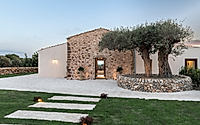
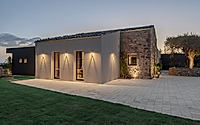
Palmento reimagines an ancient grape-processing palmento in Ragusa, Italy as a restaurant led by architect Giuseppe Iacono. Thick stone walls, timber roofs, and the ghosts of vats frame a new ritual of dining that keeps the building’s rural character present. Guests cross a low stone threshold and move between gardens, halls, and courtyards as the project works with layers of history rather than wiping them away.
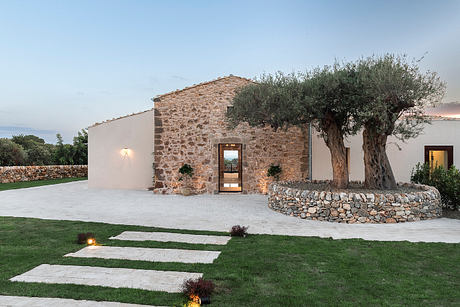
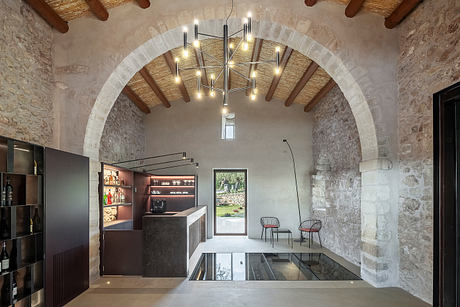
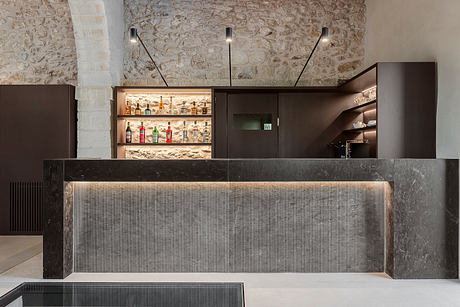
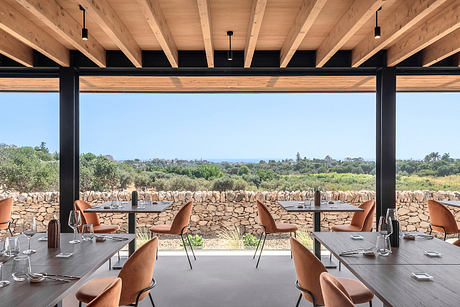
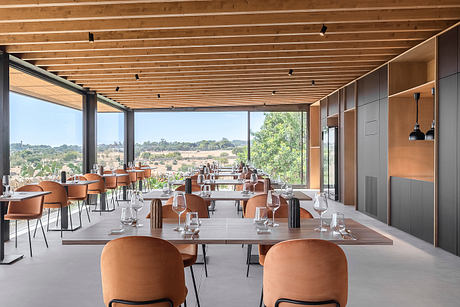
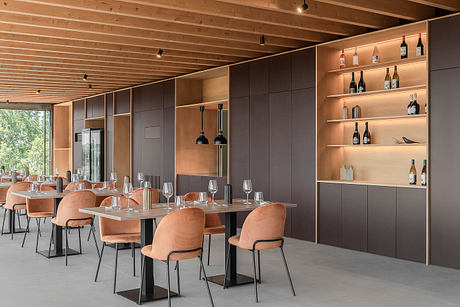
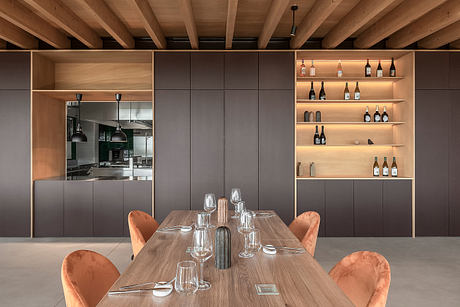
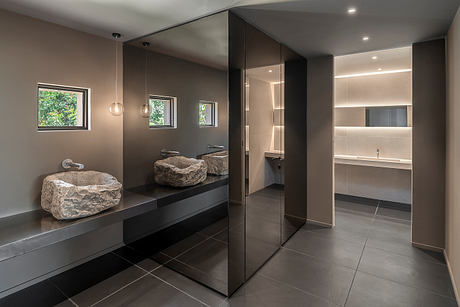
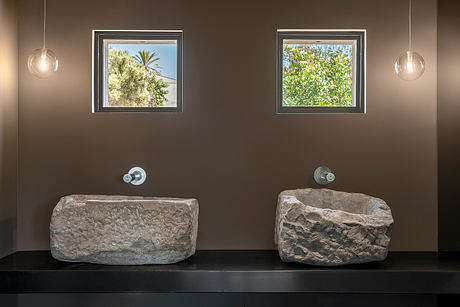
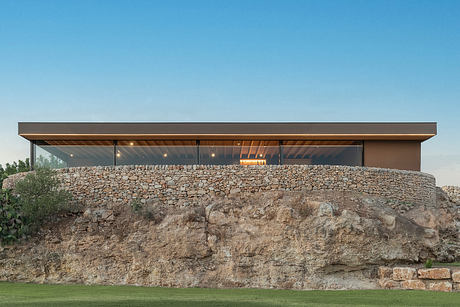
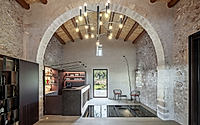
Light catches on the worn edge of the stone threshold, signaling the shift from farmyard to interior. Beyond it, a deep room opens under a pitched roof, where new steel and wood elements sit against old masonry like fresh script on an aged page.
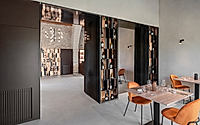
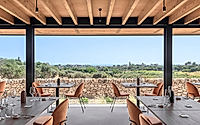
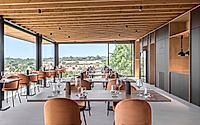
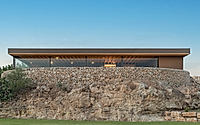
Inside this former grape-processing building in Ragusa, now a restaurant by Giuseppe Iacono, the project focuses on reactivating a rural palmento without smoothing away its rough memory. A simple rectangular hall with thick stone walls and terracotta roof tiles anchors the intervention, while later side volumes and exterior gardens expand the experience into a loose sequence of thresholds. The work treats each trace of use as material, turning agricultural residue into the core character of contemporary hospitality.
Reading The Existing Fabric
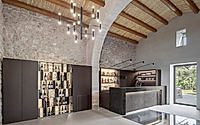
The original palmento holds a straightforward order: one long volume, solid walls, a pitched roof, and the heavy presence of stone. Over time, two flanking additions attached themselves to this core, leaving visible joints and shifts that the project chooses to preserve rather than conceal. Marks of time stay legible and consolidated, from floor vats to worn processing surfaces, so guests read the building almost as a section through local agricultural history. Instead of aiming for uniform restoration, the work accepts stratification as the site’s primary resource.
Introducing New Interventions
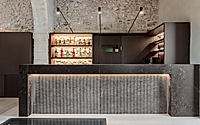
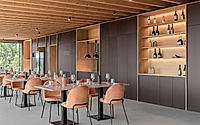
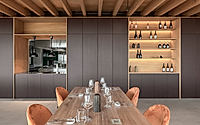
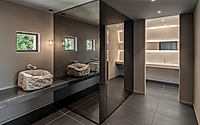
Against this robust envelope, new elements arrive with a clear, almost diagrammatic clarity. Slim steel structures span or frame existing masonry, custom wooden furnishings organize dining areas, and bespoke window frames reset openings without imitating their rough stone surrounds. Each insertion stands as an identifiable layer, so visitors can distinguish what belonged to grape pressing from what now supports dining. The calibrated contrast between stone, steel, and wood generates a renewed interior experience, where tactile differences register with every shift in light and movement.
Tracing Vats And Volumes
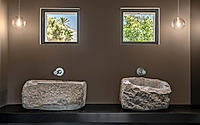
Agricultural traces remain central to the new restaurant’s atmosphere. Vats and basins shaped by winemaking stay in place, structurally secured but not cosmetically repaired to a false sense of newness. Their edges, stains, and depth act as subtle dividers between tables or as low walls that guide circulation through the hall. Guests navigate around these relics, reading them as both artifacts and active parts of the current layout, so past production and present conviviality sit in direct conversation.
Gardens As A Sequence
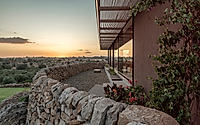
Outside, a run of gardens extends the narrative of thresholds beyond the built envelope. Entrance court, planted garden, and lower courtyard unfold as successive scenes that mediate between interior rooms and the surrounding landscape. Each outdoor level connects back to the stone volume, creating a loose loop where architecture and vegetation alternate. Moving through these exterior stages, visitors sense the project as a connected organism of passages, rather than a single enclosed hall.
As day fades, stone walls hold warmth and the steel structures recede into shadow while wood surfaces pick up the last reflections from the garden. The ancient palmento now reads as a layered organism of work, pause, and gathering, with memory carried by matter rather than narrative plaques. By keeping traces raw and new elements legible, the project makes an old rural building quietly inhabitable again.
Photography by Francesco Caristia
Visit Giuseppe Iacono