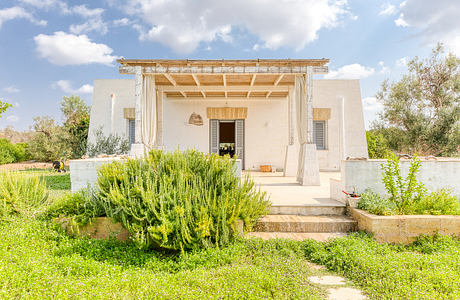
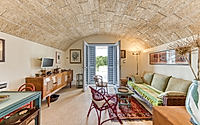
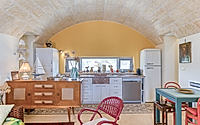
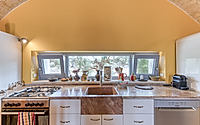
Casa RF anchors a new country house in Salve, Italy, where the Ionian breeze meets dry-stone walls. Designed by Valentina Soncini, the home reimagines the traditional Liama Salentina as a calm retreat for an owner who returns south whenever she can. Earthy interiors, a pool edged in local stone, and a pergola aimed toward sunset turn this rural plot of former olive fields into an easygoing Mediterranean escape.
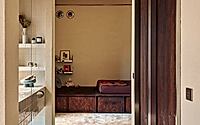
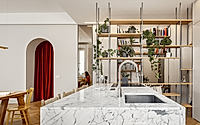
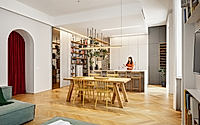
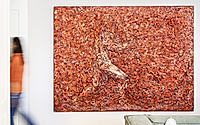
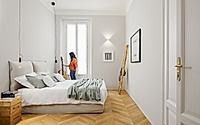
Casa REdDUO turns a generous Milan, Italy apartment into an expressive home-studio for the creative duo behind REdDUO. Set between Porta Venezia and Città Studi inside a 1930s building, the apartment becomes both domestic interior and working laboratory for their material-driven practice. Here, domestic rituals, studio life, and collaborative craftsmanship intersect in rooms that balance Old Milan character with a contemporary, experimental edge.
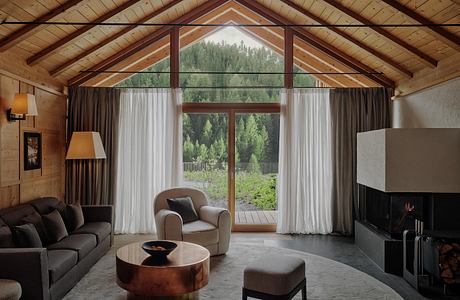
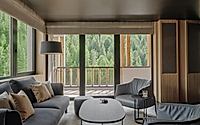
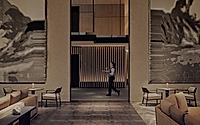
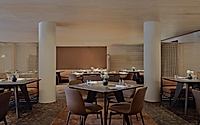
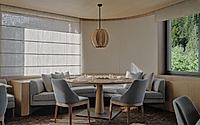
Aman Rosa Alpina anchors a renewed chapter of hospitality in Badia, Italy, where the Dolomites rise directly beyond its timber-clad façades. Designed by Denniston Architects under Jean-Michel Gathy, the historic hotel becomes a contemporary Alpine retreat with 51 rooms and suites, new dining venues, and expanded wellness rituals. Guests move between glass-wrapped lounges, generous terraces, and rich stone-lined baths that keep the mountain village of San Cassiano always in view.
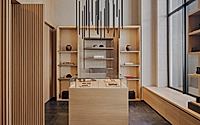
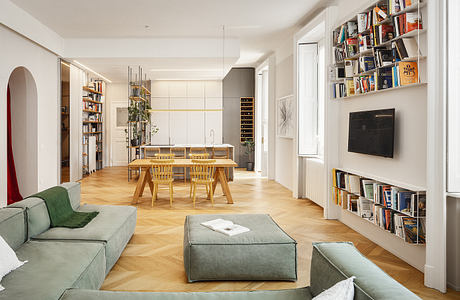
Casa PPZ anchors a 140-square-metre apartment renovation in Milan, Italy by Mauro Carta, set within an early 20th-century building of high ceilings and moulded frames. The project reworks the apartment for a young art- and music-loving couple, pairing open-plan living with preserved Milanese character and a calm, contemporary interior palette. Sunlight, pale walls, and expressive materials guide the rooms from morning gatherings to quieter nights.
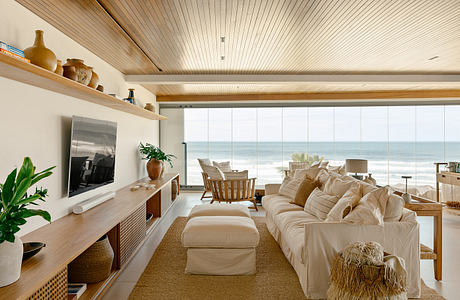
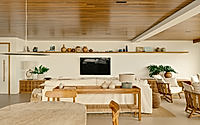
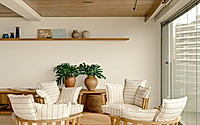
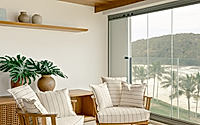
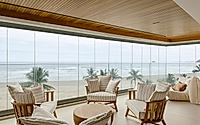
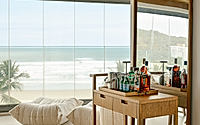
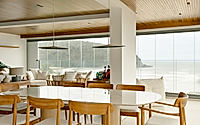
Riviera Apartment sits above the beach in Bertioga, Brazil, where Marina Salles shapes a coastal home around soft light, sand tones, and unbroken sea views. This apartment unfolds as a relaxed retreat, balancing Brazilian authenticity with a gentle Mediterranean mood for a couple who wanted comfort and practicality without losing the warmth of a lived-in seaside address.
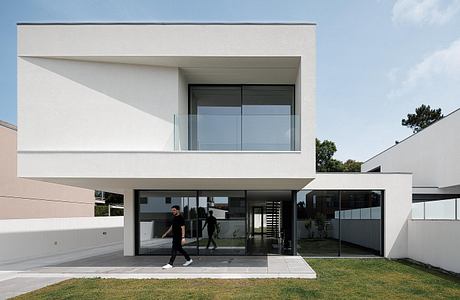
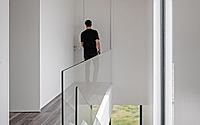
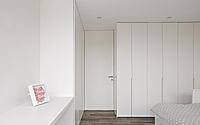
Casa dos Sobreiros II sits in Póvoa de Varzim, Portugal, as a rigorously ordered house by Urbanpolis that orients daily life around light and sequence. The home uses two primary axes, a courtyard heart, and a south-facing garden edge to choreograph how family, guests, and views move through the rooms. Continuous white surfaces and precise volumes underline a calm, contemporary character rooted in clarity rather than excess.
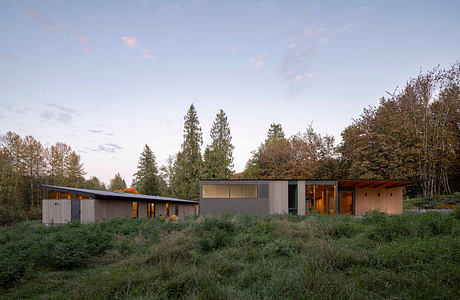
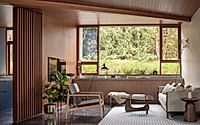
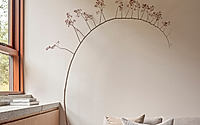
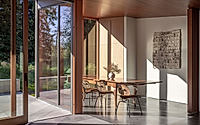
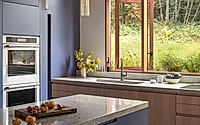
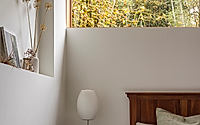
French Creek Workshops House sits beside a wetland in Snohomish, WA, United States, where Wittman Estes shapes a low, calm house for a newly retired couple. The single-level residence folds studios, gardens, and water into a daily routine that supports aging-in-place and welcomes multigenerational visits without drama. Every room orients toward making, resting, or watching the seasons change across the layered landscape.
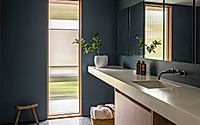
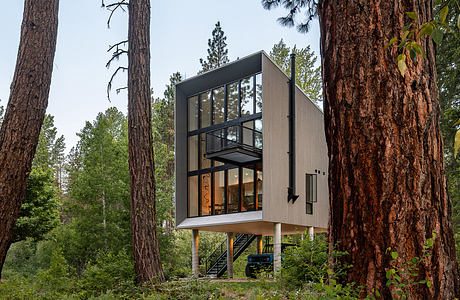
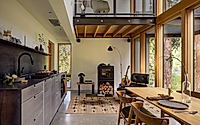
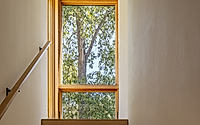
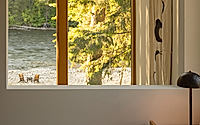
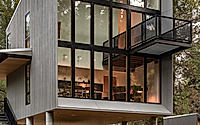
Wenatchee River Cabin stands lightly above the floodplain in Wenatchee, WA, United States, a compact retreat shaped by Wittman Estes for one dedicated outdoor enthusiast. Conceived as a base camp and eventually embraced as a full-time home, the elevated cabin turns a modest footprint into a layered daily routine centered on the forest and river. Simple forms, durable materials, and a clear program keep the focus on lived experience rather than show.