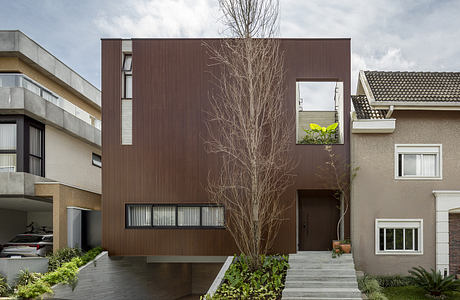
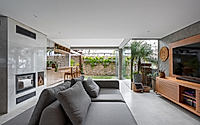
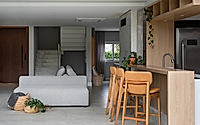
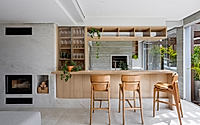
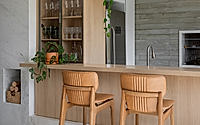
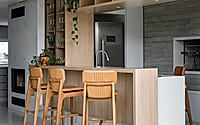
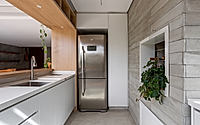
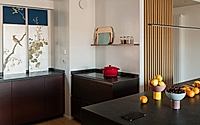
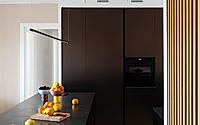
Casa Cubo reintroduces a familiar suburban house as a quiet contemporary landmark in Curitiba, Brazil. Estúdio Convexo Arquitetura retrofits the single-family home with a minimalist attitude, sharpening geometry outside and softening daily life inside. The project focuses on clarity, light, and durable materials so the renewed house can absorb family routines while staying visually calm from facade to garden.
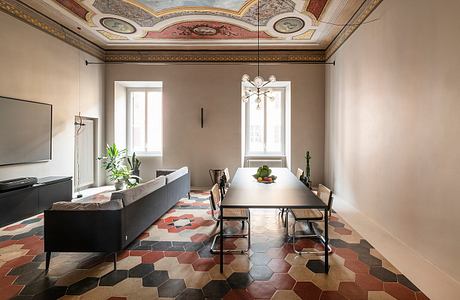
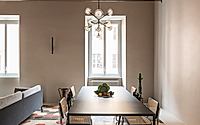
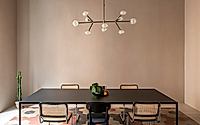
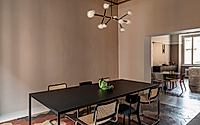
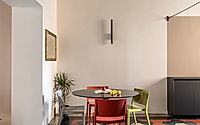
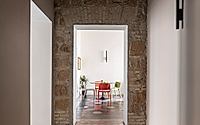
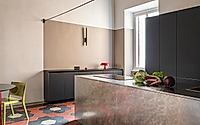
Casa in Via Buonarroti sits inside a historic building in Rome, Italy, where damaSTUDIO works with the apartment’s long memory rather than against it. Barrel vaults, painted ceilings, and hexagonal terracotta floors anchor the renovation, while a clear contemporary attitude refines circulation, daily comfort, and the material palette. The result is a home that reads as one narrative, even as old and new keep their distinct voices.
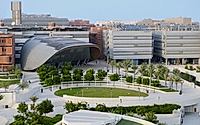
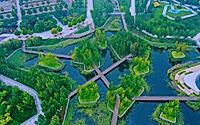
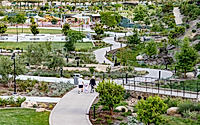
Modern master-planned developments are moving beyond decorative landscaping toward fully integrated ecological design. Water systems, greenery, and mobility are increasingly planned as interconnected frameworks rather than standalone features.
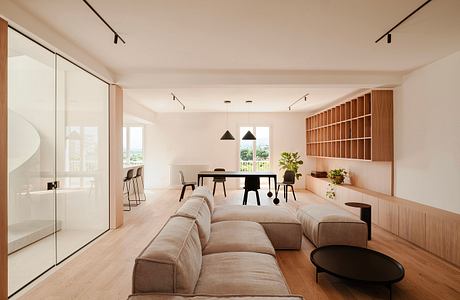
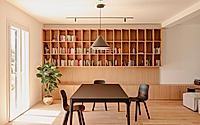
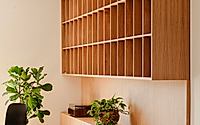
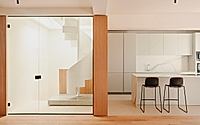
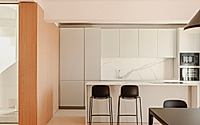
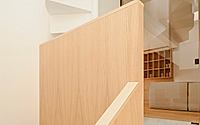
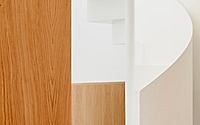
Casa Verticale reworks a tall independent house in Santa Flavia, Italy, treating the apartment as a vertical sequence of rooms. La Leta Architettura reorganizes three levels and a private roof terrace around a new central stair, using light, oak, and metal to give the home a coherent contemporary character while preserving its intimate scale. The result ties daily life to a clear upward movement through the building.
Your outdoor space holds untapped potential waiting to be discovered. Whether you have a sprawling backyard or a cozy patio, small changes can create a dramatic impact without requiring a complete overhaul or breaking the bank. The key is choosing upgrades that blend beauty with practicality, transforming your yard into a retreat you’ll actually want to use.
Casa Errante anchors a 120-square-meter apartment in Rome, Italy, reworked by designer Raffaella Falbo into a home of light, storage, and quiet rhythm. The renovation refines a once-dated layout with a new master suite, generous kitchen, and layered color story that threads from entry hall to living room. Soft terracotta, sage, and celadon land against oak and metal, giving everyday rooms a composed and distinctly Roman intimacy.
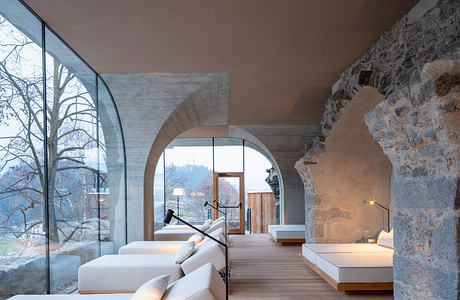
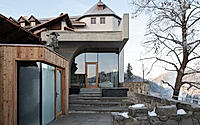
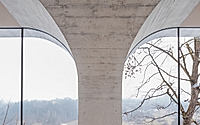
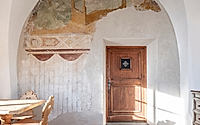
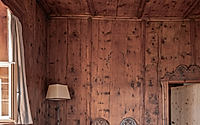
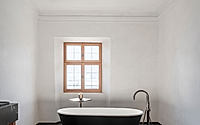
Hotel Castel Badia / Sonnenburg crowns a historic hilltop above Castelbadia, Italy, where null17 Architektur reworks an 11th-century Benedictine monastery into a new five-star hotel. The project retains the ensemble’s layered past while preparing 29 individual rooms, a spa in the former cells, and a herb garden revived from medieval sources. Guests move through a building that carries Roman traces, a 12th-century crypt, and contemporary interventions held in one careful, unified vision.
122_BIC stands at the end of a quiet Swiss lane, where houses and dense greenery frame a modest suburban plot. LACROIX | CHESSEX use the compact site to organize a multigenerational house, pairing a family home with an adjoining residence for the grandmother. Raw concrete, generous glazing, and a clear internal sequence work together to stretch a tight budget while opening daily life toward the garden and pool beyond the walls.