Auseva House by Graus Arquitectura
Auseva House anchors a calm domestic world in southern Mexico City, Mexico, where Graus Arquitectura pursues clarity through order, light, and measured sequence. The house treats every threshold, courtyard, and stair as part of a continuous journey that links interior life with the surrounding plot in a deliberate, almost meditative rhythm. Daylight, geometry, and restraint set the tone from the first step inside.
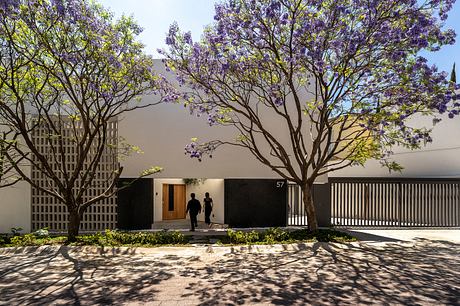
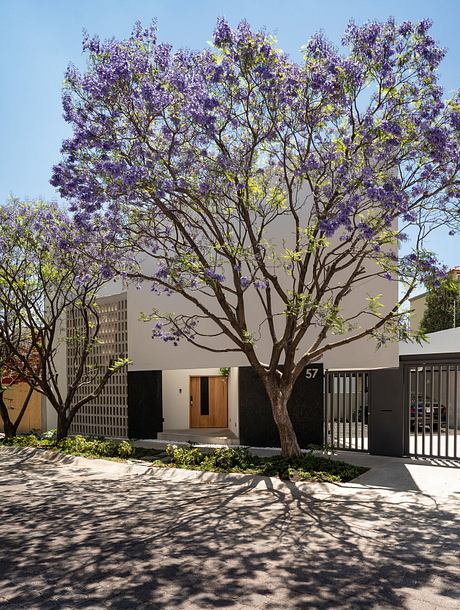
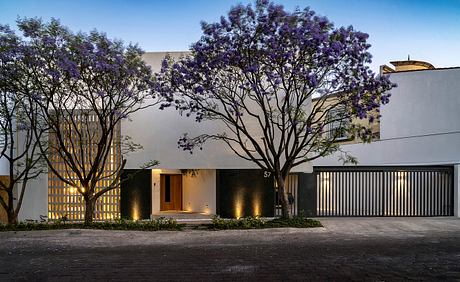
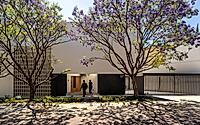
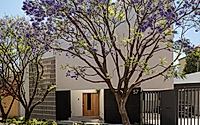
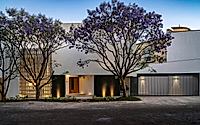
Morning light slides across the plot before touching the house, catching the edges of walls and planted courts. Auseva House holds to the center of its site, so arrival moves through open air and filtered shadow before any door is crossed.
This is a single-family house in southern Mexico City, Mexico, conceived by Graus Arquitectura as a study in order, light, and controlled movement. The project treats layout as its main instrument, using courtyards, stairs, and carefully set openings to choreograph how daily life drifts between interior rooms and outdoor grounds. Every decision serves that sequence, from how the entrance frames the sky to how private rooms tilt and rise to catch daylight.
Centering The Plot
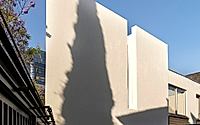
The house occupies the middle of the plot rather than hugging a boundary. That simple choice turns surrounding outdoor areas into active connectors instead of leftover yards. Courtyards and gardens sit between habitable cores, so moving from one program to another means passing through air, planting, and changing light in a steady, almost ritual loop.
These exterior intervals balance autonomy and connection, keeping each core functionally independent while still tied into a shared domestic field. Circulation stays legible and calm, yet the route never repeats in quite the same way as the sun and weather shift throughout the day.
Calibrating Light Openings
A central idea in the project is the measured relationship with the sky. Social rooms open generously upward, while private zones hold tighter apertures that still admit clear, direct light. Every room negotiates a specific degree of exposure, with daylight treated both as a compositional tool and as a quiet daily clock.
At the entrance, an open-air vestibule frames a slice of sky and recasts arrival as an outdoor pause rather than a quick interior pivot. Time of day, cloud cover, and season register in this frame, so crossing into the house always carries a precise awareness of conditions beyond the walls.
Climbing Through Light
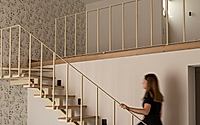
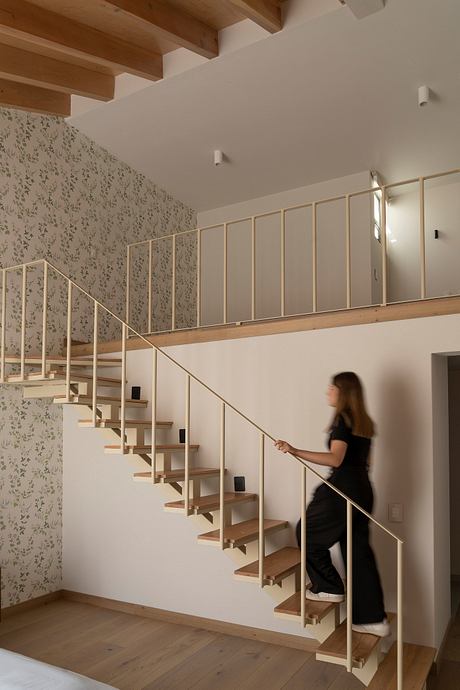
The main stair becomes a vertical promenade rather than a simple connector. Planes fold and turn so that light lands differently on each surface, shifting perception with every step. Movement is read against these changing patterns, giving the climb a clear sensory rhythm.
At the upper landing, a sculpture anchors the visual endpoint and sharpens attention to the body in motion. The object does not decorate the stair; it holds the gaze, underlining how ascent and descent are part of the project’s spatial narrative.
Stacking Private Volumes
Secondary bedrooms explore height and overlap to expand their modest footprints. Sloped ceilings and double-height portions pull the eye upward, while suspended mezzanines add a layer of play and function within each room. Sleeping, studying, and retreat all occur within this vertically rich volume, rather than spreading outward.
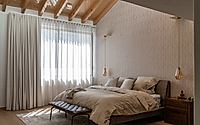
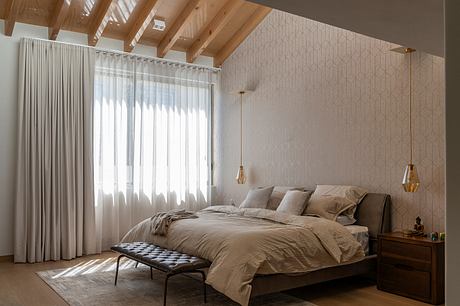
The primary bedroom echoes that logic with a pitched roof and a high window that frames its own view of the sky. This simple move deepens the sense of openness while maintaining privacy, tying rest to the slow passage of light and weather beyond the glass.
Material Order And Restraint
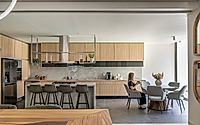
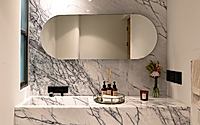
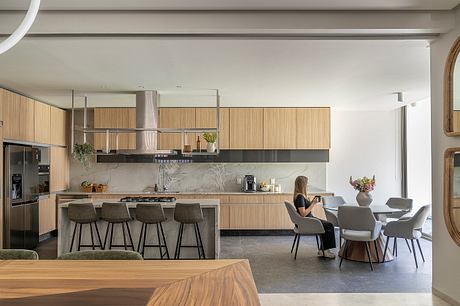
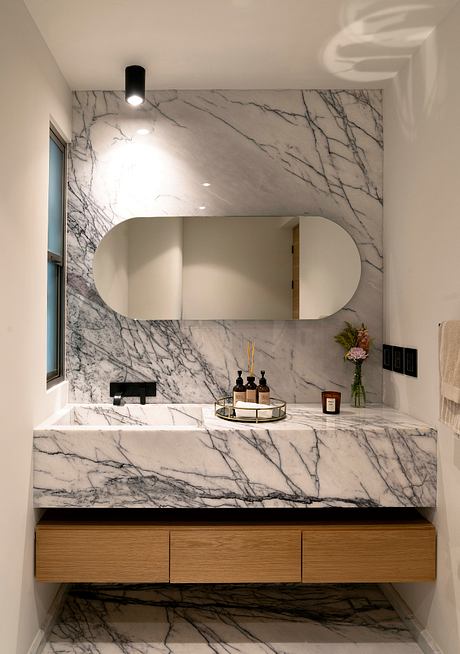
A restrained, durable palette reinforces the project’s emphasis on clarity. Surfaces read as essential and steady, so geometry and daylight carry most of the visual weight in each room. Ornament drops away, replaced by quiet joints, measured proportions, and recurring alignments that make the circulation easy to understand.
In this setting, inhabiting the house becomes an act of inhabiting time across courtyards, stairs, and carefully lit rooms. Auseva House stands as a composed sequence of movements and pauses, tuned to the shifting sky above its compact urban plot.
Photography by Jaime Navarro
Visit Graus Arquitectura